Quarter Horse
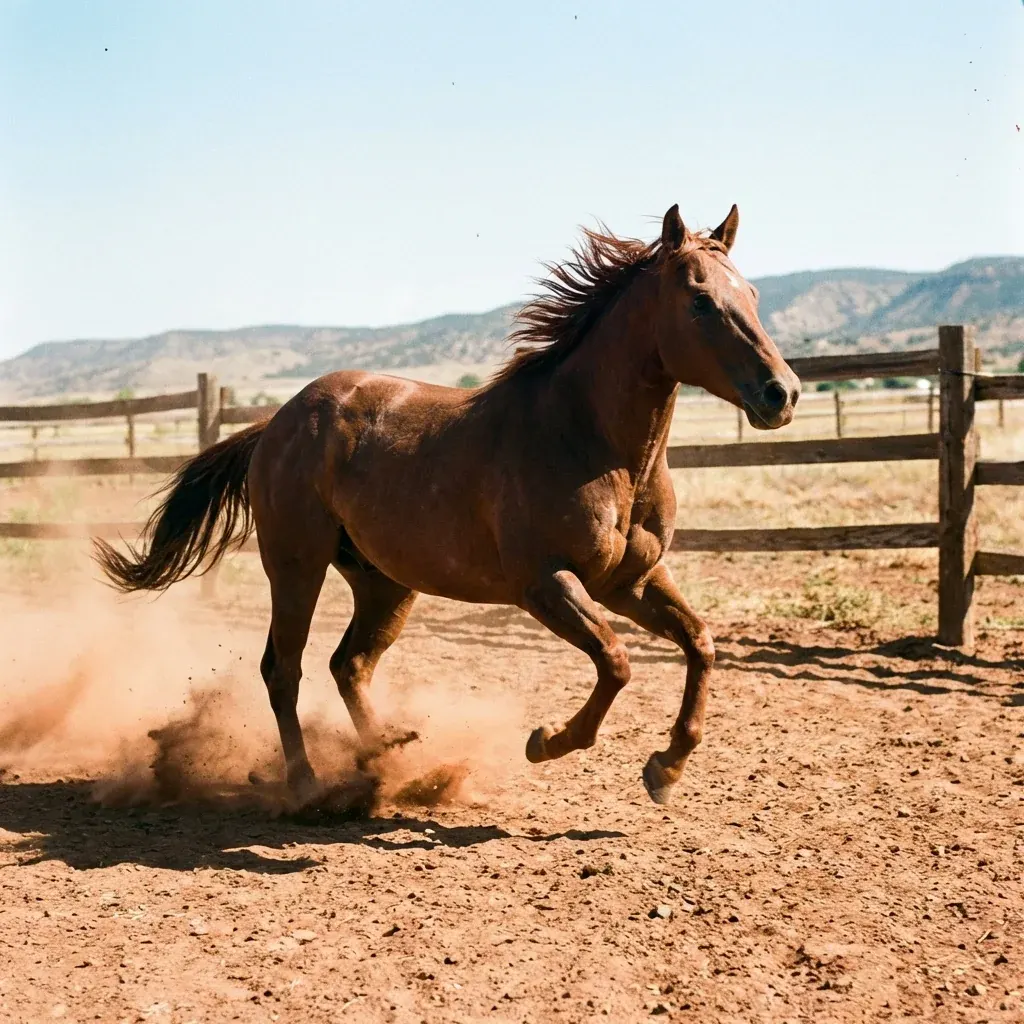
The Quarter Horse is America's most popular horse. Famous for its explosive speed over short distances, its "cow sense," and its unmatched versatility.
Start from the resources hub and jump back to the Horse Breeds index.
Advertisement
Overview
It is the “total athlete.” Whether working cattle on a ranch, running barrels at a rodeo, or calmly trail riding, the Quarter Horse does it all well. Its name comes from its ability to outrun any other breed in races of a quarter mile.
Origin & History
Born in colonial America by crossing English horses with horses of Spanish origin (Mustangs and Native American horses). Bred to be a work horse during the week and a race horse on Sunday. It is the foundation breed of the American West.
Temperament & Personality
They are known for their steady mind.
- Versatility: They can go from standing still to a full sprint and back to calm in seconds.
- Cow Sense: They have a natural instinct to predict the movements of a cow.
- Calmness: Usually very safe for beginner riders (foundation or pleasure lines), although racing lines can be hotter.
Physical Characteristics
An equine bodybuilder.
- Body: Compact, with a broad chest and immensely muscular hindquarters. That is where their acceleration engine lies.
- Head: Short and refined, with large, wide-set eyes.
Foal Stage

Quarter Horse foals are precociously muscular.
- Training: They are often started earlier than other breeds (sometimes at 2 years), but it is vital not to push them too hard physically until their growth plates close to avoid future injuries.
Adult Stage
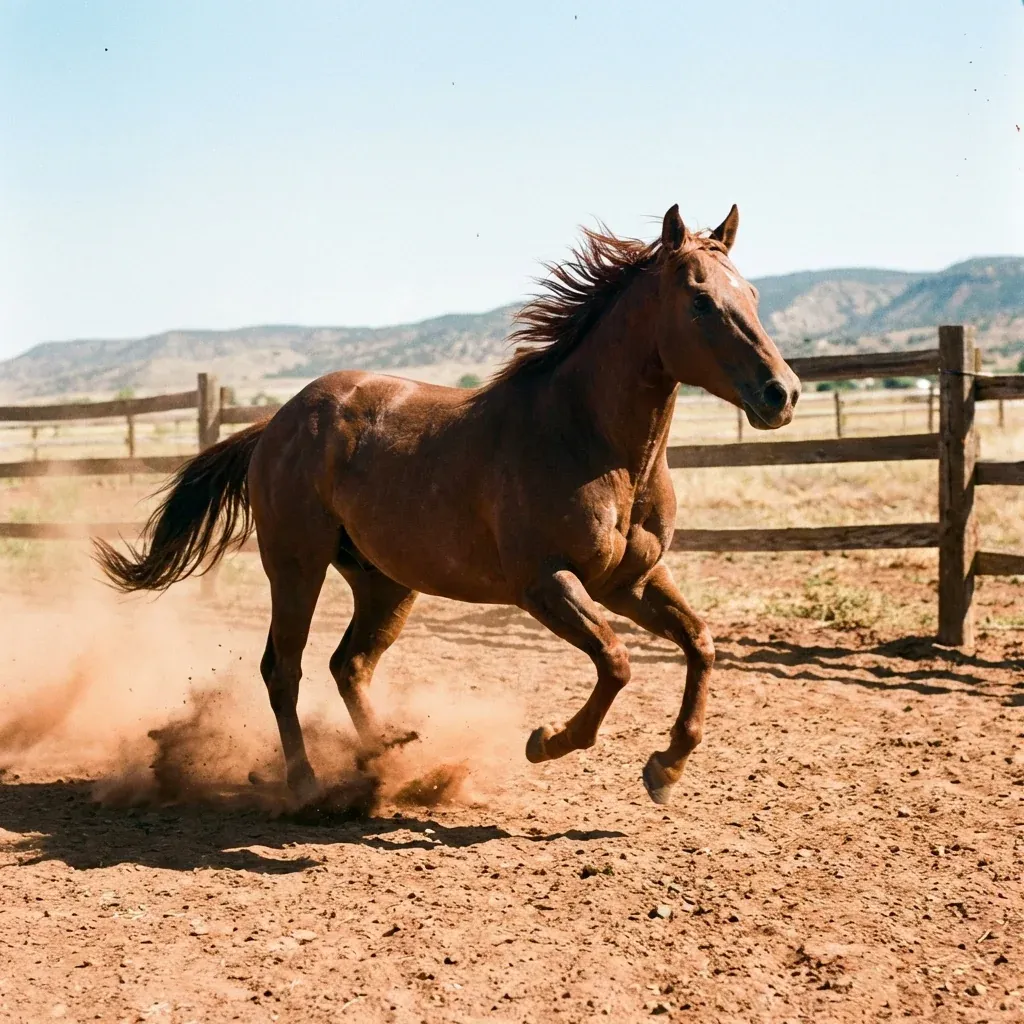
- Disciplines: They dominate the Western world (Reining, Cutting, Roping) but also excel in jumping and English riding.
- HYPP: A genetic disease (Hyperkalemic Periodic Paralysis) linked to the stallion “Impressive.” It is vital to ask for genetic tests when buying.
Health & Care
They are tough horses, but their large muscle mass requires attention.
- Feet: Often have small hooves for their large body weight (“small foot syndrome”), which can cause navicular problems. Correct shoeing is critical.
Needs & Routines
- Diet: Being so muscular, they need quality protein, but they are easy keepers.
- Work: They like to have a job. A bored Quarter Horse can develop vices.
Advertisement