Ultimate Puppy Checklist: Everything You Need for the First Few Months
Congratulations! You are about to embark on one of life’s most rewarding adventures: bringing a puppy home. However, amidst the excitement of cuddles and puppy smell, it’s easy to feel overwhelmed. Do I have everything I need? What if they eat my shoes? How do I stop them from crying at night?
Don’t worry. We’ve compiled the ultimate puppy checklist, a comprehensive guide designed to cover all bases, from the basics to expert tips that will save you headaches (and backaches). This isn’t just a shopping list; it’s your roadmap for your dog’s first few months of life.
1. Essential Gear: Preparing the Nest
Before your puppy sets a paw in your house, you need to have the “hardware” ready. Think of this as preparing a nursery, but with more chew toys.
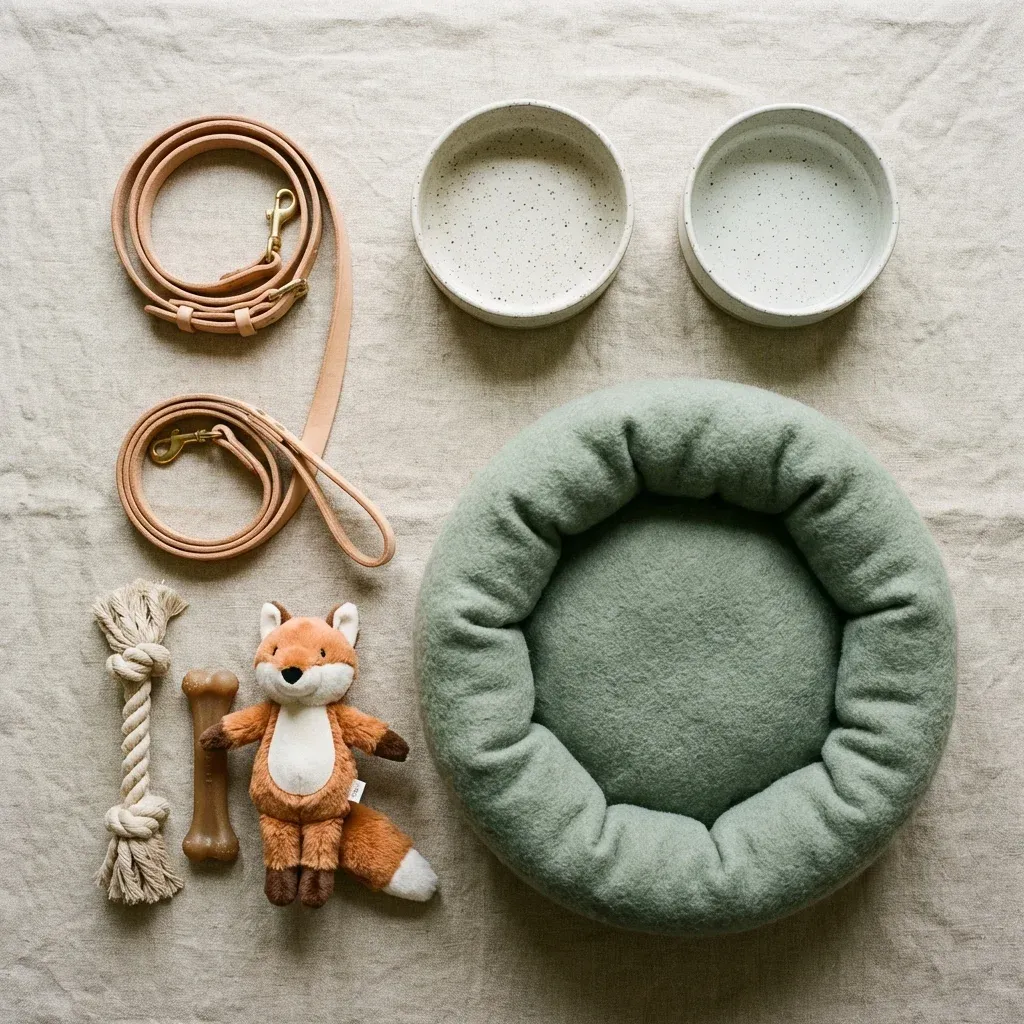
Collar, Leash, and Harness
Don’t settle for the first thing you see.
- Collar: Must be adjustable, as your puppy will grow fast. Make sure you can fit two fingers between the collar and their neck.
- Harness: For walks, a harness (especially an H or Y-shaped one that doesn’t restrict shoulder movement) is much better than a collar to prevent tracheal damage if they pull.
- Leash: Avoid retractable leashes at first. A fixed leash of 2 to 3 meters gives you control and teaches them to walk near you without constant tension.
Identification
It’s your worst nightmare, but it can happen: your puppy escapes.
- ID Tag: Must have the dog’s name and YOUR phone numbers.
- Microchip: It is mandatory in many places and essential everywhere. Ensure your contact details are up to date in the relevant database.
Bowls
- Material: Stainless steel or ceramic are preferable to plastic. Plastic can harbor bacteria in scratches and cause canine acne.
- Size: Appropriate for your dog’s adult size, even if it looks like a swimming pool to them at first.
The Bed (or Beds)
Puppies sleep a lot. A whole lot (between 18 and 20 hours a day).
- Washable: This is non-negotiable. Accidents will happen. Look for one with a removable cover.
- Durable: Some puppies see their bed as a giant plush toy to gut. If that’s the case, opt for “indestructible” beds or old blankets until the destruction phase passes.
The Crate (Kennel)
Far from being a cruel cage, the crate is their den, their safe place.
- Training: It greatly facilitates potty training, as dogs instinctively avoid soiling where they sleep.
- Safety: It is vital for car travel and for moments when you cannot supervise them 100%.
2. Health & Nutrition: Building a Solid Foundation
Your puppy’s health in the first few months will dictate their future well-being. Don’t skimp here.
Quality Nutrition
You are what you eat, and so is your dog.
- Specific Food: Look for “Puppy” formulas. They have the correct balance of calcium, phosphorus, and calories for growth. Large breeds need specific formulas to avoid growing too fast and damaging their joints.
- Ingredients: The first ingredient should be meat (chicken, lamb, salmon), not cereals.
- Wet Food: Good for mixing and stimulating appetite, or for stuffing interactive toys.
First Aid Kit
Keep handy:
- Gauze and cohesive bandages.
- Disinfectant (chlorhexidine or diluted betadine).
- Tick tweezers.
- Your vet’s phone number and the 24h emergency number saved in your mobile.
Veterinary Plan
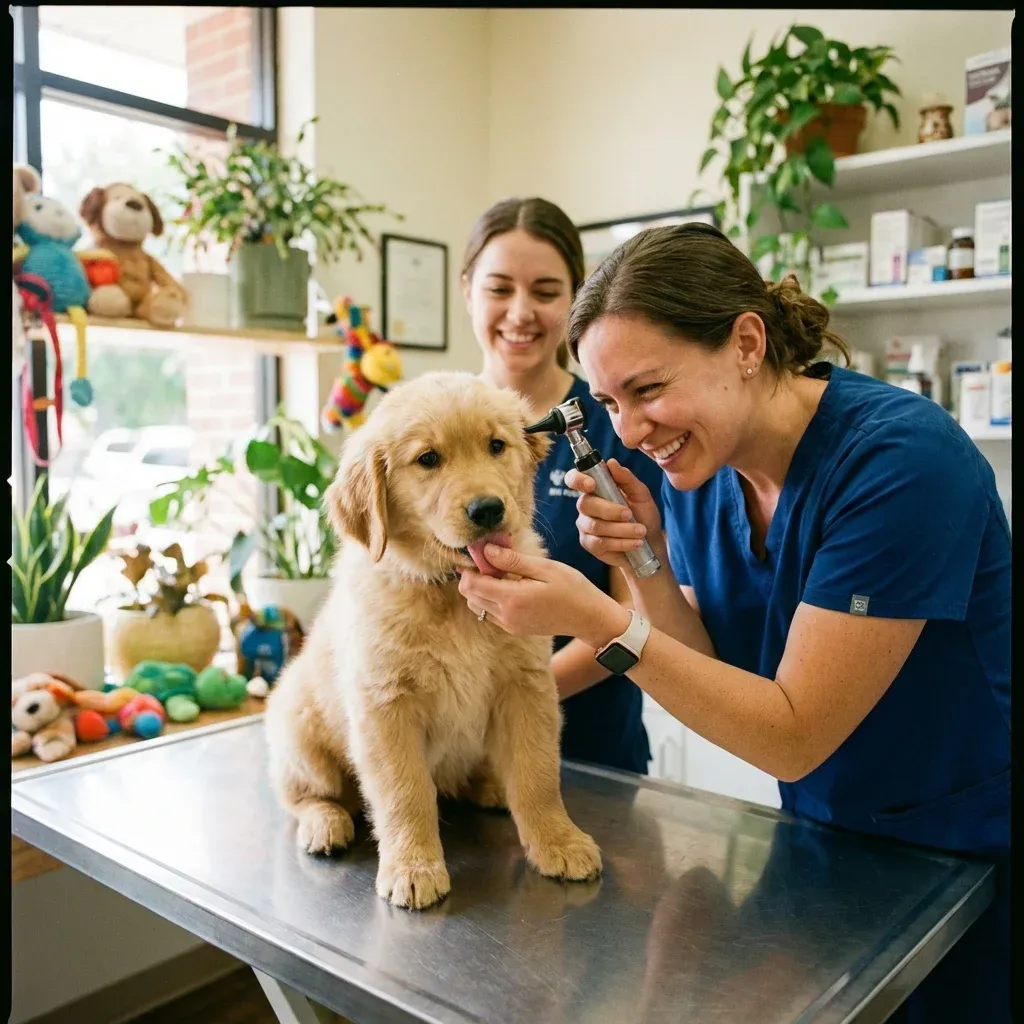
- Vaccinations: Distemper, Parvovirus, Hepatitis, and Rabies are the “core” ones. Kennel cough and Leishmaniasis may be suitable depending on your area.
- Deworming: Both internal (pills) and external (pipettes, collars, or chewable tablets). Puppies are magnets for parasites.
3. Hygiene & Grooming: More Than Just Aesthetics
Getting your dog used to handling from a young age is vital. Make bathing and brushing positive experiences with lots of treats.
- Puppy Shampoo: The pH of dog skin is different from ours. Never use your shampoo. Look for a mild, tear-free one.
- Brush: Depends on the hair type. Soft bristles for short hair, slicker brush for long or curly hair.
- Nail Clippers: The “click-click” of nails on the floor means they are long. Cut only the tip and be careful with the quick (the pink part with blood vessels). If you’re scared, go to the vet or groomer, but get them used to having their paws touched.
- Ear and Eye Cleaner: Basic for breeds with floppy ears (Spaniels, Hounds) or flat faces.
4. Training & Behavior Management
Here is where coexistence is forged. A well-behaved dog is a happy dog (and a happy owner).
Interactive Toys and Chews
Puppies explore the world with their mouths. If you don’t give them something appropriate to chew, they will choose your table legs or favorite slippers.
- Kongs: The king of toys. Stuff it with wet food or yogurt and freeze it. It will give them 20-30 minutes of entertainment and mental calm.
- Rope Toys: Great for playing tug-of-war with you (yes, you can play, just teach the “drop it” command!).
- Plush Toys: Only under supervision, if they are a destroyer.
Training Tools
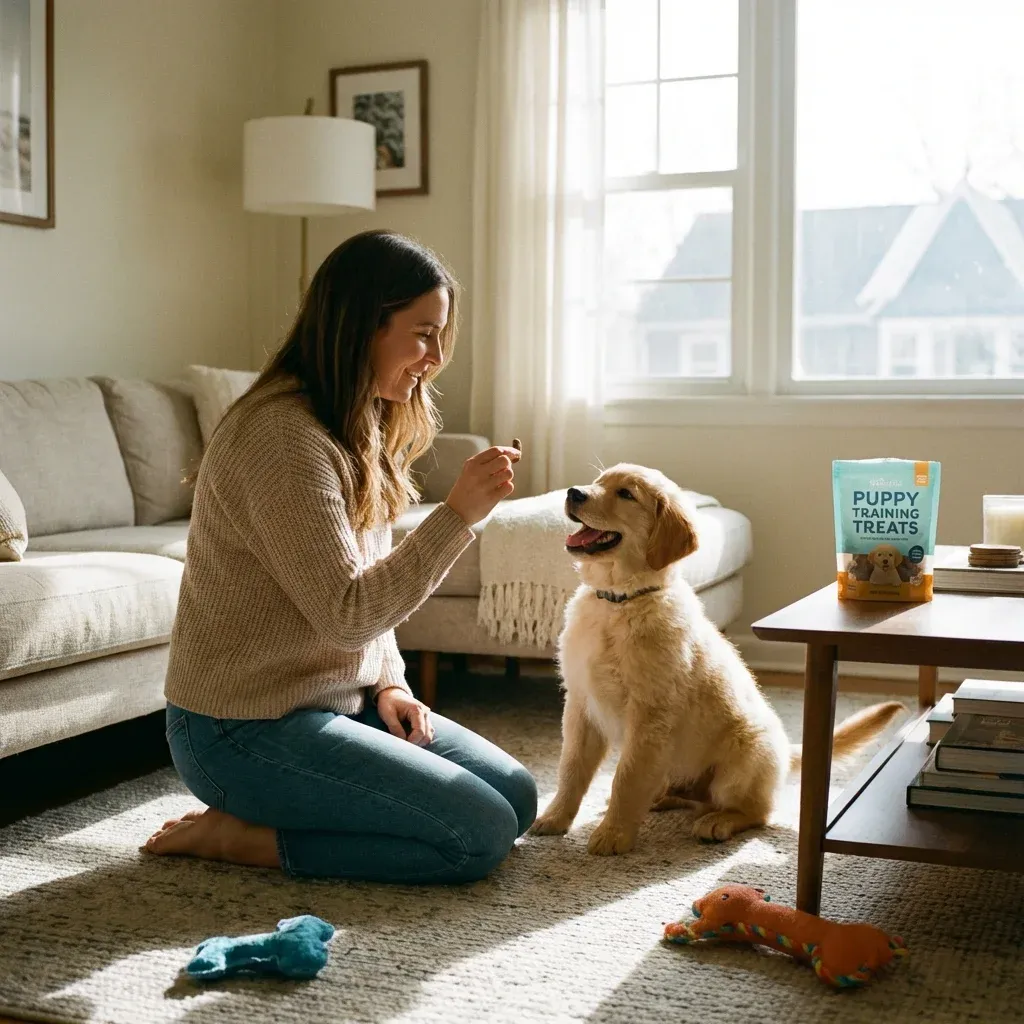
- Treats: Should be small, soft, and VERY smelly. Don’t use their own dry food to teach new and difficult things; pay well for hard work. Small pieces of sausage or dried liver are high-value currency.
- Clicker: A little box that makes a “click”. It marks the exact moment they did the right thing. It speeds up learning incredibly.
- Puppy Pads: Useful if you live in a high-rise without easy access to the street or if they haven’t completed their vaccinations, but the ultimate goal should be to do their business outside.
Enzymatic Spray
This is magic. When your puppy pees on the carpet (because they will), don’t use bleach or ammonia (which smells like urine and encourages them to do it again).
- Enzymatic Cleaner: Breaks down odor molecules at a chemical level. If the dog doesn’t smell it, they are less likely to repeat the “crime” in the same spot.
5. Puppy Proofing
Get down on all fours and look at your house from their perspective.
- Cables: Hide or cover them. They are irresistible to chew and very dangerous.
- Toxic Plants: Lilies, oleanders, sago palms, azaleas… many common plants are poisonous. Check your garden and pots.
- Cleaning Products: Always in high cupboards or with child safety locks.
- Shoes and Clothes: If you don’t want it chewed, don’t leave it on the floor. It’s that simple.
6. Socialization: The Critical Window
Between 3 and 14 weeks, your puppy is in their critical socialization period. Everything they experience now will shape them forever.
- It’s not just playing with dogs: It’s habituating to noises (traffic, storms, vacuums), surfaces (sand, metal, grates), and types of people (children, people with hats, people in wheelchairs).
- Positivity: Every new experience should be happy and accompanied by treats. If they get scared, don’t force it. Back off and let them observe from a distance.
Conclusion: Patience and Love
The material list is long, but the most important thing cannot be bought on Amazon. Patience will be your most valuable resource. There will be sleepless nights, stained carpets, and moments of frustration. But there will also be unforgettable firsts, enthusiastic welcomes, and a bond that will grow to become unbreakable.
Get ready, take a deep breath, and enjoy the journey. They grow up fast, so treasure every moment of “puppy chaos”!
Quick Answer
Use these two links first: one best-overall choice and one sizing workflow.
Recommended for breeds
Related guides
- Haflinger Horse: Characteristics, Temperament, Size, and Uses (2026)
- American Bulldog Temperament, Size, and Care Guide
- Spanish Hound Dog Breed Guide: Temperament, Size, and Care (2026)
- American Leopard Hound Temperament, Size, and Care Guide (2026)
- Afghan Hound Temperament, Size, and Care Guide (2026)