
Best Harness for Small Dogs (2026): a practical guide to get fit and control right
Affiliate Disclosure: Some links in this guide are Amazon affiliate links. If you purchase through them, we may earn a small commission at no extra cost to you.
If you live with a small dog, you know this scene by heart: you head out expecting a calm walk and, the second a bike, pigeon, or new smell appears, your dog launches into a sharp pull that jolts your wrist. Many owners assume pulling is only a big-dog problem, but in dogs under 22 pounds the impact can be worse for one simple reason: their neck and trachea are more delicate.
That is why finding the best harness for a small dog is not just about comfort. It is about safety, control, fit for a lightweight frame, and injury prevention. A poorly chosen harness can chafe the armpit within a few walks, rotate at the first sprint, or enable the classic backward escape.
In this guide, you will get a short, actionable 3-product comparison (low, mid, high), exactly what to check before buying, how to choose size correctly, and one clear final recommendation so you can buy once and walk better this week.
The real pulling problem in small dogs
Small dogs do not have less drive. In many cases, they show the same impulsive reactions as larger dogs, but in a much more compact body. That means if they wear a collar or a rigid harness that fails to distribute pressure, each pull lands on a highly sensitive structure.
The most common risk points we see in training are:
- Excess neck pressure when the fit sits too high and the dog surges forward.
- Armpit chafing caused by wide straps or poor strap positioning.
- Backward escape in noise-sensitive or fearful city dogs.
- Walk refusal when discomfort becomes associated with going outside.
So picking “the prettiest” or “the bestseller” is not enough. You need a model that truly matches a short chest, low body weight, and a quick movement pattern.
For additional options by use case, check our harness resource hub: best anti-pull dog harnesses.
Mini comparison: 3 harness picks for small dogs (low-mid-high)
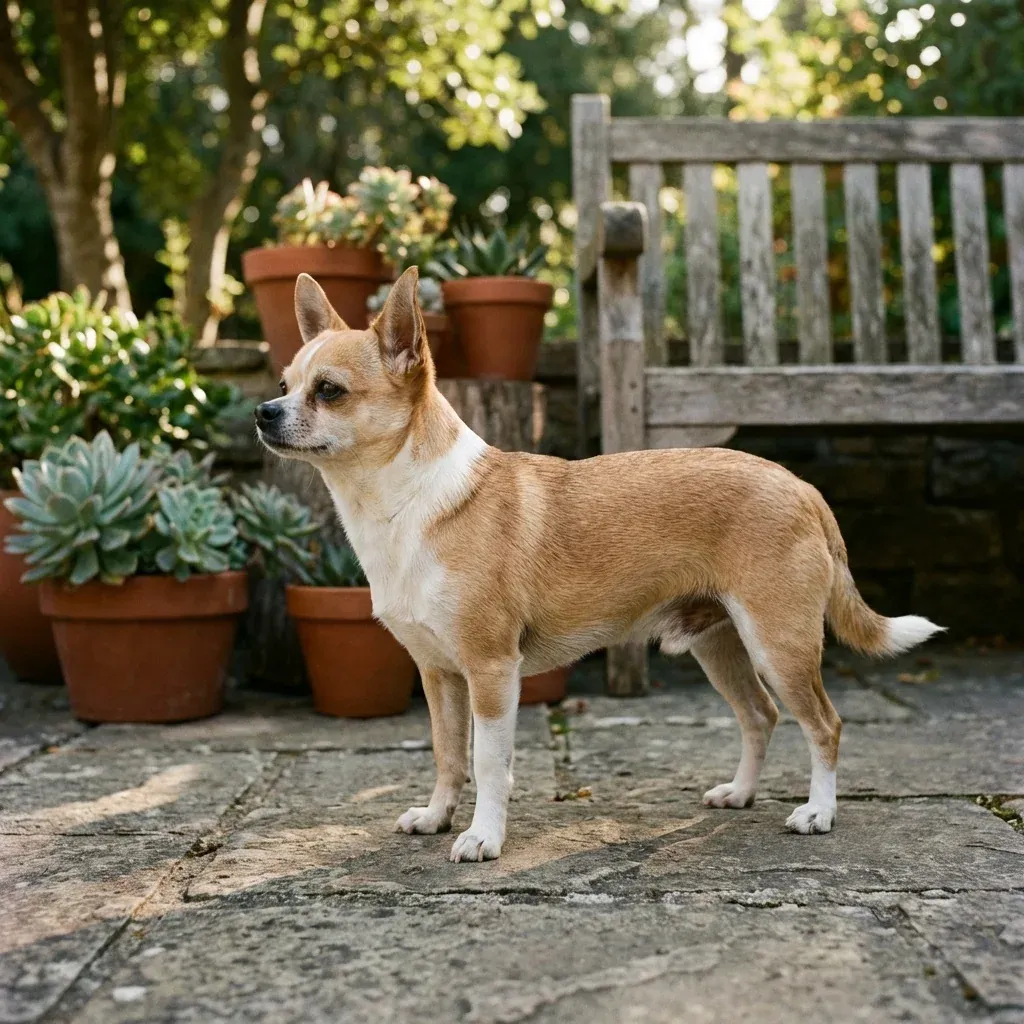 Visual reference for a small adult dog: in this size category, a few centimeters of fit can change safety and comfort dramatically.
| Tier | Model | Best for | Main strengths | Main tradeoff | Estimated price |
|---|---|---|---|---|---|
| Low | Gooby Escape Free Easy Fit | Tight budgets, toy dogs, dogs sensitive to over-the-head gear | Very lightweight, easy to put on, affordable | Lower long-term adjustment range | 12-22 USD |
| Mid | Puppia Soft Harness | Daily urban walks for dogs from ~7 to 20 lb | Comfortable, stable, strong value | Not ideal for extreme, sustained pulling | 18-30 USD |
| High | Ruffwear Hi & Light | Owners prioritizing premium materials and durability | Technical fabric, precise fit, fast-drying | Higher price point | 45-65 USD |
If you are unsure, the mid tier is usually the sweet spot for most family households: enough comfort for daily use, good stability, and still a reasonable price.
Low tier pick: Gooby Escape Free Easy Fit
The Gooby step-in style is popular with small dogs because it removes one of the most common stress points: pulling a harness over the head of a nervous dog. Here, the dog steps in with front paws and you close on top. It sounds minor, but for insecure dogs this alone can reduce setup conflict before the walk.
The most relevant strength in small sizes is weight. When a harness is too rigid or heavy, it can alter gait and shorten stride. A lighter base helps your dog move naturally, which is crucial in toy and mini breeds with short, fast stride cycles.
Where this model works best:
- Small dogs with short daily urban walks.
- Dogs still building harness tolerance.
- Owners who want a low-risk starting point.
Where it can fall short:
- Dogs showing strong, sustained pulling episodes.
- Dogs changing size quickly.
Solid entry pick if you need lightweight comfort on a strict budget.
Mid tier pick: Puppia Soft Harness
If you want the best balance of control, comfort, and cost for everyday walks, this is usually the strongest recommendation for small dogs. The softer construction and chest pressure distribution reduce hard contact points, which matters a lot on longer walks or sensitive skin.
It is not a magic product that ends pulling in one day. No harness does that. But it gives you a stable base to improve leash handling while reducing neck strain versus a standard collar. In family homes with companion dogs, this is often the model with fewer comfort-related returns.
Where it stands out:
- Dogs around 7 to 20 lb with regular daily activity.
- Urban routines with frequent stops, turns, and distractions.
- Owners who want straightforward fit without complex adjustments.
What to watch:
- If your dog pulls hard every day, pair it with loose-leash training.
- In small dogs, even half an inch matters, so check fit weekly.
Our priority recommendation for most small family dogs.
High tier pick: Ruffwear Hi & Light
When budget is not the main constraint and you want a high-use harness, Ruffwear Hi & Light is a strong premium reference. It uses lightweight technical materials, quick-dry panels, and a precise fit profile that helps avoid unnecessary friction points.
Why include it in a small-dog guide? Because when sized correctly it offers a rare combination of durability and low bulk. Many premium harnesses add too much padding; this one keeps a cleaner profile, useful for active small dogs doing weekday city walks plus weekend outings.
When paying more makes sense:
- You walk daily for longer durations.
- Your dog gets wet often or moves through varied terrain.
- You want better long-term durability and finishing quality.
When it may not be worth it yet:
- You are still testing whether your dog tolerates harnesses well.
- Your dog is currently changing size or body condition quickly.
Premium alternative for owners who want technical lightness and long service life.
What to look for in a small-dog harness
This section prevents most returns and repeat purchases. If you remember one part of this guide, make it this one.
1) True harness weight
For a 9 lb dog, harness mass matters much more than it does for a 55 lb dog. Prioritize lightweight and flexible construction.
2) Shoulder-friendly geometry
Small dogs compensate quickly when movement feels restricted. If the front strap blocks shoulder motion, chafing and shortened gait are likely.
3) Useful adjustment range
You need real fit control in girth and chest, not just decorative webbing. Two-finger clearance is the practical baseline.
4) Minimum anti-escape stability
If your dog startles in urban noise, prioritize structure and closure points that do not collapse during backward pressure.
5) Breathable materials
Small dogs, especially with denser coats, can overheat quickly in thick, closed padding.
6) Fast on/off usability
If putting it on takes two minutes and a struggle, compliance drops fast. Ease of use matters as much as fabric quality.
How to choose the right size the first time
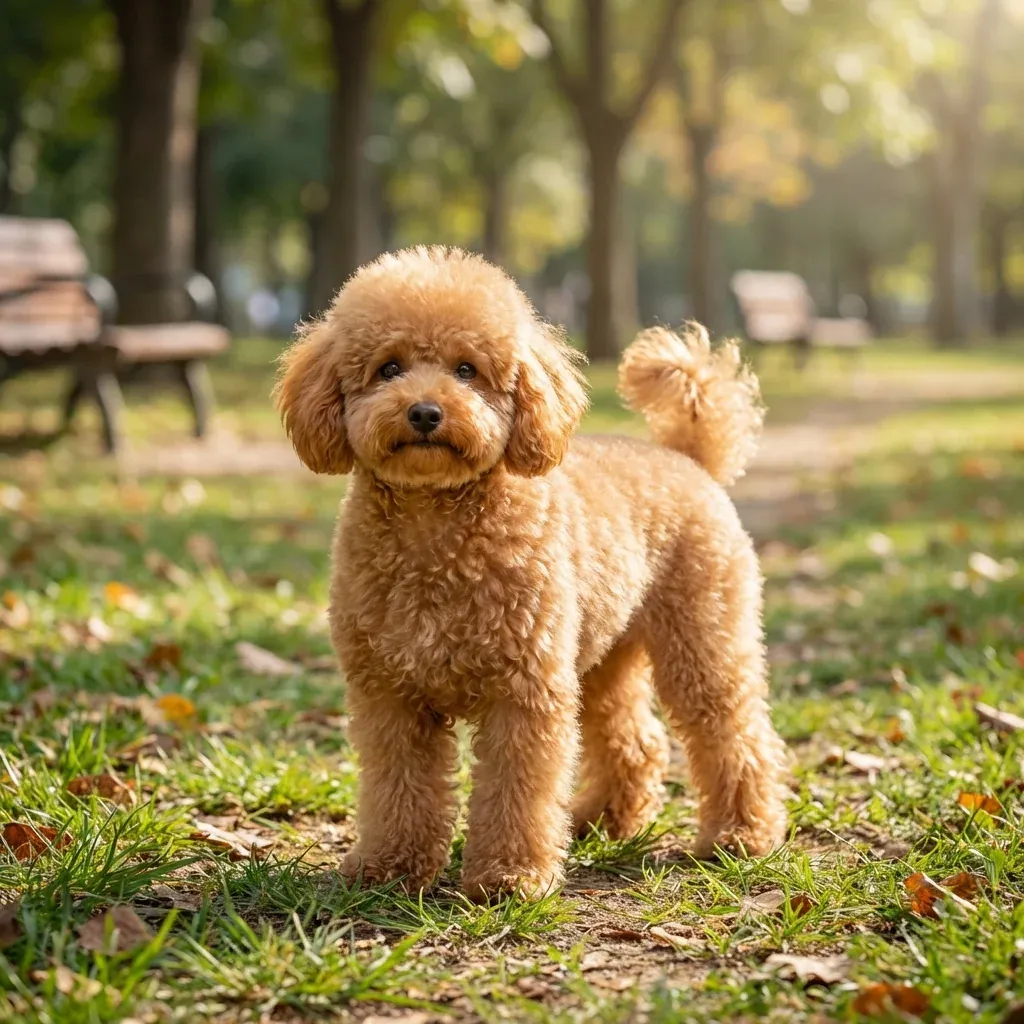 Measuring chest girth correctly in a small dog prevents most purchasing mistakes.
Most failures come from sizing errors, not bad products. Follow this order:
- Measure chest girth right behind front legs.
- Measure lower neck base (not high collar position).
- Select a size where your measurements land around the middle third of the size range.
- Adjust both sides symmetrically.
- Do a 5-minute indoor walk test to check rotation or rubbing.
For a full step-by-step workflow, use this guide: how to measure your dog correctly.
You should also read how to teach your dog not to pull on leash, because the right harness works best when leash handling improves too.
Expensive mistakes to avoid
- Buying one size up “to make it last”: oversized fit increases escape risk and friction.
- Choosing by looks only: attractive does not always mean anatomically sound.
- Skipping re-fit after grooming or weight change: tiny body changes matter in small dogs.
- Leaving it too loose because you fear pressure: loose is not comfortable, loose is unstable.
- Expecting gear to replace training: harnesses improve management, they do not educate by themselves.
Clear final recommendation
If your goal is to buy once and improve walk quality this week, the priority recommendation for most small dogs is the Puppia Soft Harness (mid tier).
It delivers the strongest overall balance for daily city use: comfortable, stable enough for routine handling, and reasonably priced. The low tier is a good starting point for tight budgets or dogs that resist over-the-head designs. The premium tier makes sense for heavy use and long-term durability priorities.
Practical summary:
- Want the cheapest safe starting point: low.
- Want the best overall balance: mid (recommended).
- Want top materials for intensive use: high.
If you need a comfortable, stable, easy-to-use harness for a small family dog, this is the lowest-risk purchase path.
Frequently asked questions (commercial FAQ)
What is the best harness for a small dog that pulls hard?
In practice, the best choice is the one that stays stable, avoids shoulder restriction, and fits correctly every walk. For most households, a well-fitted mid-tier model gives the best control/comfort balance.
Step-in or Y-shape harness for toy dogs?
If your dog resists anything over the head, step-in is often easier at first. Once your dog is comfortable with gear, a well-designed anatomical harness usually gives better movement stability.
How can I tell if the harness fit is correct?
You should be able to slide two fingers under the straps. If it rotates a lot, rubs armpits, or rides into the neck, adjust or change size.
How often should I re-check fit in a small dog?
For stable adults, every two weeks is a good baseline. For puppies or dogs with weight changes, check weekly.
Is a premium harness worth it for dogs under 22 lb?
Yes when usage is intense, fast-dry materials matter, or long-term durability is the priority. For standard city routines, a well-fitted mid-tier option is often enough.
Quick Answer
Use these two links first: one best-overall choice and one sizing workflow.
Recommended for breeds
Related guides
- Best Harness for Dogs That Pull Hard (2026): A Hybrid Guide for Real-World Walks
- Best Escape-Proof Harness for Fearful Dogs (2026): 3 safer picks + fit guide
- Best Harness for Large Dogs (2026): 3 durable picks for real pulling control
- The Best Dog Harnesses for Hiking: What to Look For and What to Avoid
- The Best Harnesses for Puppies: How to Choose Without Overspending