
Best Harness for Large Dogs (2026): 3 durable picks for real pulling control
Affiliate Disclosure: Some links in this guide are Amazon affiliate links. If you buy through them, we may earn a small commission at no extra cost to you.
When a large dog pulls, it is not a “minor leash issue.” It is real force that can twist your wrist, throw off your balance, or pull you into traffic at exactly the wrong second. Once your dog is above 55 pounds, a harness is no longer just gear. It is safety equipment.
This guide is built for one outcome: help you choose the best harness for a large dog if your priority is a practical mix of control, material strength, and daily usability.
Inside this page, you will get:
- a short low-mid-high comparison of 3 durable models,
- a no-fluff breakdown of what matters in materials and safety,
- a practical use case for Labrador Retriever vs German Shepherd,
- one clear priority recommendation so you can decide today.
If you want a broader map of options by use case, visit our main harness hub: best anti-pull dog harnesses. If your main challenge is sustained pulling behavior, pair this guide with how to teach dog not to pull on leash.
The real problem in large dogs: force + pulling momentum
With small dogs, a poor harness often leads to discomfort first. With large dogs, you get discomfort plus mechanical risk for both ends of the leash. The usual pattern looks like this:
- Your dog spots a trigger (dog, bike, scent, person).
- Your dog accelerates in a straight line using chest and shoulders as an engine.
- The harness fails to redirect or shifts under load.
- You absorb that full momentum through your wrist, elbow, and lower back.
Repeat this enough times and you get pain, frustration, and tense walks where both you and your dog expect conflict before the walk even starts.
What changes once your dog is over 55 lb
At 55, 70, or 90 pounds, three variables become non-negotiable:
- Webbing width and stitching quality: thin straps fatigue faster under repeated surges.
- Hardware quality: weak clips and soft rings can fail at the worst possible moment.
- Traction geometry: rear-only pull points often increase your dog’s towing advantage.
You do not need the stiffest harness on the market. You need the right combination of directional control, durable build, and stable fit under load.
Quick comparison: 3 durable harnesses for large dogs
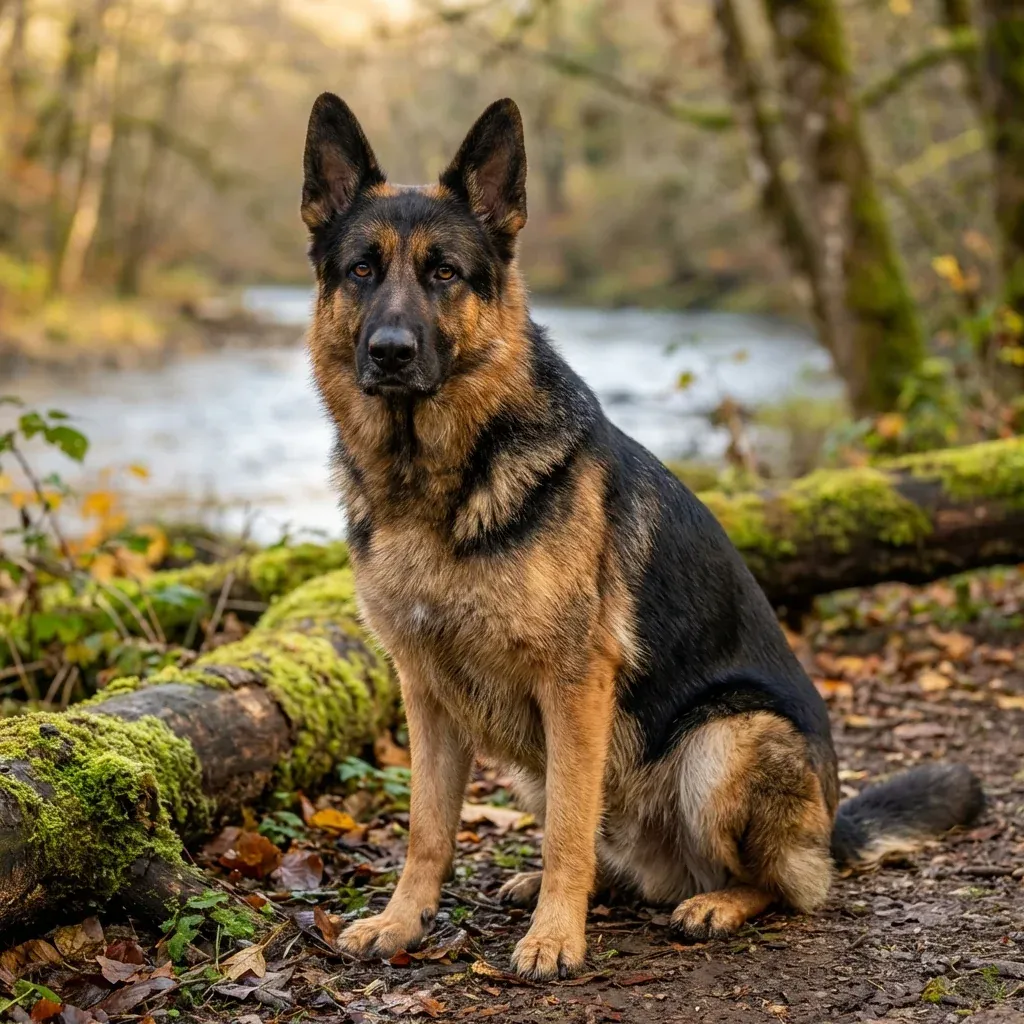 Large-dog reference: with a deep chest and high drive, fit and hardware quality matter more than aesthetics.
| Tier | Model | Best for | Main strength | Main tradeoff | Estimated price |
|---|---|---|---|---|---|
| Low | rabbitgoo No-Pull | Budget-conscious owners with medium-strength pullers | Dual clip points, broad adjustment range, reflective details | Not ideal for extreme daily power pulling | 25-40 USD |
| Mid | PetSafe Easy Walk | Owners who need fast control with strong pullers | Highly effective front-clip redirection, easy handling, strong value | Less comfortable for long hikes than padded premium harnesses | 30-50 USD |
| High | Ruffwear Web Master | Very strong dogs, escape risk, and high-use city/outdoor routines | Very robust build, top handle, high body stability | Higher cost and longer initial fitting process | 65-95 USD |
Low tier: rabbitgoo No-Pull (smart entry point on a tighter budget)
This is a practical starter if you need a functional harness for a large dog without jumping straight into premium pricing. The key value is basic versatility: two leash attachment points and enough fit range to test what your dog responds to.
Where it works well:
- Large dogs with moderate pulling, not constant explosive lunges.
- Owners still dialing in harness style and fit preferences.
- Shorter urban walks where handling demands are predictable.
Where it can underperform:
- High-drive dogs with repeated heavy surges every single walk.
- Households expecting heavy-duty wear for months of intense use.
Used with realistic expectations, it can be a solid entry model. If your dog is clearly above medium pull intensity, you will likely outgrow this tier and move toward stronger structure and hardware.
A practical low-tier starting point for large-dog households.
Mid tier: PetSafe Easy Walk (real control for strong pullers)
If your primary goal is to stop getting pulled forward on every walk, this is usually the strongest control-per-dollar option. The front-clip design does not “train” your dog by itself, but it immediately reduces your dog’s straight-line towing leverage.
Why it works especially well on large dogs:
- Front attachment redirects the shoulders toward you under tension.
- Forward thrust loses efficiency right where pulling peaks.
- You regain handling time to reward calm check-ins and loose leash moments.
Real limitations to keep in mind:
- It is not the top comfort choice for long hikes.
- Proper chest fit is essential for the redirection effect.
- It should be paired with loose-leash training for durable behavior change.
When owners of Labradors, German Shepherds, Dobermans, or strong mixed breeds ask for one purchase that changes walk control quickly, this is the recommendation I repeat most often because it addresses the core issue first: practical control from day one.
Priority recommendation for large dogs that pull hard.
High tier: Ruffwear Web Master (maximum robustness and body stability)
This is premium territory for owners who need a clear step up in structure and safety. The Web Master combines strong materials, broad adjustability, and a top handle that helps in technical or high-control situations.
When the higher price makes sense:
- Frequent long walks with a powerful, high-energy dog.
- Dogs that pull and also show backward escape attempts.
- Combined city and trail usage where durability matters year-round.
What usually stands out here is not just fabric quality. It is how well the harness stays aligned during abrupt direction changes. With strong dogs, that extra stability significantly lowers leash chaos.
If you choose this model, spend time on initial fit. Premium multi-point harnesses reward precise setup and feel disappointing when fitted in a rush.
Premium choice for high structural safety in powerful dogs.
Materials and safety: what actually matters above 55 lb
This section is what separates a smart purchase from repeated returns.
1) Webbing width and load distribution
On large dogs, narrow webbing concentrates pressure and wears faster under repeated load. Prioritize harnesses that distribute tension across chest and trunk without rigid edges that chafe.
2) Clip reliability and lock feel
On powerful pullers, weak plastic clips are a failure point, not a comfort issue. Choose closures that lock with a firm feel and inspect for micro-cracks, especially with heavy sun exposure or winter temperatures.
3) Metal rings and traction point integrity
The ring is the load core of the system. If you notice bending, rust, or excess play, replace the harness. In strong dogs, force accumulates there.
4) Reinforced stitching in stress zones
Do not evaluate quality by padding alone. Inspect stitching where panels and straps meet. Critical zones are chest, lateral rib area, and dorsal strap unions.
5) Backward escape resistance
Sudden reverse motion is common in insecure or reactive dogs. In large sizes, that movement creates serious leverage. Stable harness geometry helps, but only if fit is symmetric and snug enough.
6) Reflective details for urban visibility
Reflective material is not decoration. In low light, rain, and heavy traffic zones, visibility gives you extra reaction time.
7) Preventive maintenance routine
Even premium harnesses fail without maintenance. Every 2 to 3 weeks, check:
- stitching integrity,
- clip lock consistency,
- strap wear in friction points,
- ring deformation.
Five minutes of maintenance can prevent expensive accidents.
Practical use case: Labrador vs German Shepherd
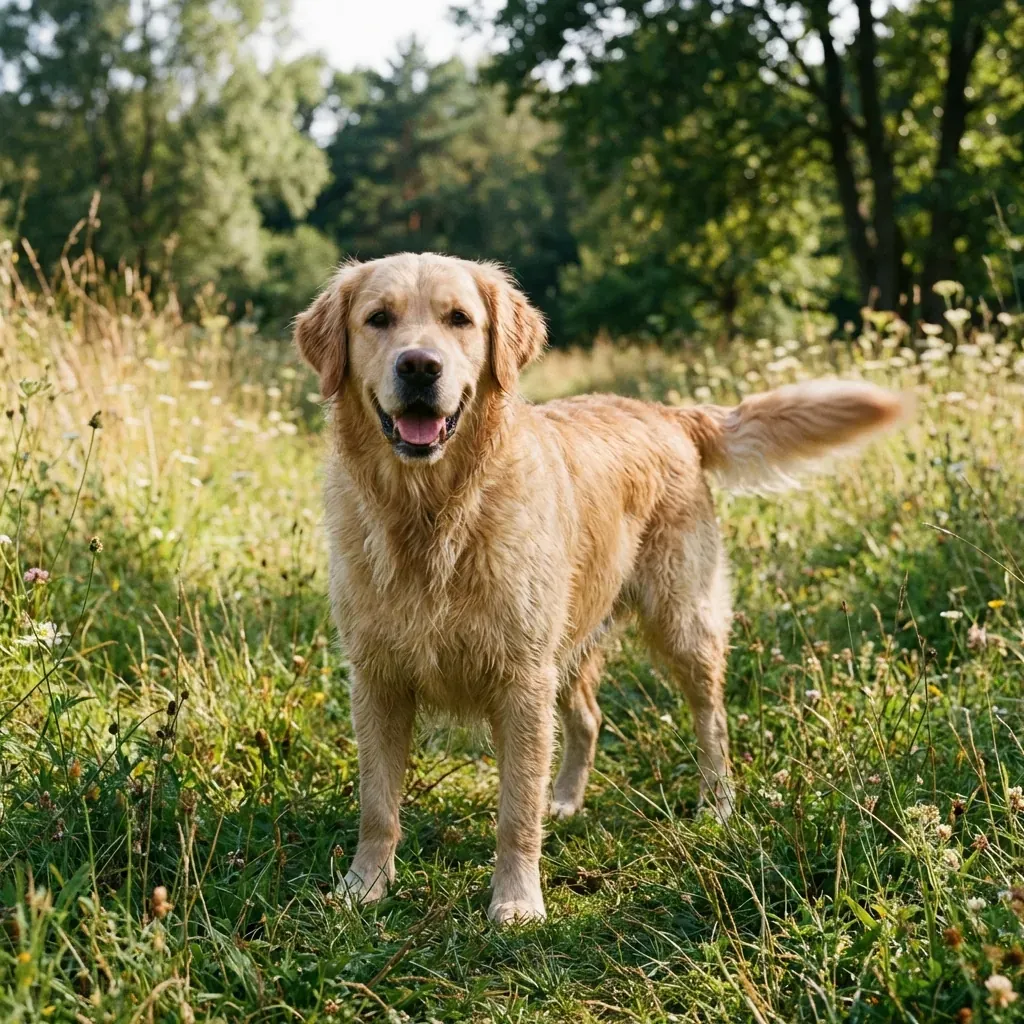 With large social breeds like Labradors, the problem is often not aggression. It is unmanaged excitement plus mechanical advantage.
Scenario A: 70 lb Labrador, social, excitement-driven pulling
Typical profile: friendly dog, high arousal at walk start, strong pulling toward people and dogs. The main challenge is reducing forward inertia while keeping sessions productive.
What usually works best:
- Effective front-clip control (mid tier profile).
- Short structured sessions with direction changes.
- High-value reinforcement for loose-leash moments.
What usually fails:
- Rear-clip-only setups in heavy pullers.
- Expecting equipment to replace training structure.
- Long unstructured walks with no reset strategy.
Scenario B: 80 lb German Shepherd, high drive, rapid environmental reactions
Typical profile: intense focus, explosive starts, fast directional changes. Pulling may alternate with sustained tension and occasional backward pressure.
What usually works best:
- Stable harness design with stronger hardware.
- Pre-walk focus routine for 2-3 minutes before moving.
- Technical leash handling with clear distance management.
What usually fails:
- Oversizing “for comfort” and losing fit stability.
- Skipping weekly fit checks.
- Entering high-stimulus routes too early in the walk.
Practical takeaway from Labrador vs German Shepherd: both are large dogs, but they do not pull the same way or for the same reason. Pick harness strategy by movement pattern, not body weight alone.
How to get size and fit right the first time
Most returns in this category come from bad measurement, not bad products. Use this sequence:
- Measure chest girth right behind the front legs.
- Measure lower neck base (not high collar position).
- Choose size where your numbers land in the middle third of the brand range.
- Adjust both sides symmetrically.
- Run an 8-10 minute indoor movement test.
- Check for rotation, armpit friction, or neck ride-up.
Useful rule: you should fit two fingers under the straps, with no loose drift. If the harness shifts excessively, it is not comfortable. It is unstable.
Expensive mistakes when buying a large-dog harness
- Buying by looks first: color and style do not fix poor geometry.
- Sizing up “to make it last”: increases friction, escape risk, and control loss.
- Skipping fit checks after weight change: even a few pounds can alter fit quality.
- Ignoring pull pattern: excitement pulling and reactivity pulling need different handling plans.
- No maintenance routine: silent wear becomes real failure under peak tension.
Clear final recommendation: what to buy first
If you want one concrete decision this week, my priority recommendation for most large dogs that pull is PetSafe Easy Walk (mid tier).
Why:
- strongest balance of immediate control and reasonable cost,
- clear reduction in forward pulling leverage,
- practical behavior-management support from the first walk.
When to choose a different tier:
- Low (rabbitgoo): tighter budget and moderate pulling profile.
- High (Ruffwear Web Master): premium durability needs, high-use routines, or escape-risk context.
If your large dog is dragging you today, the most practical first purchase is a well-fitted front-clip harness.
Frequently asked questions (commercial FAQ)
What is the best harness for a large dog that pulls hard?
In practice, the best option combines effective front redirection, stable fit, and durable hardware. For many households, a mid-tier front-clip harness is the best control/value balance.
Is extra padding always better for big dogs?
Not always. Padding improves comfort, but poor geometry or loose fit can still reduce control and increase friction.
How often should I inspect a harness for a 70+ lb dog?
Do a quick visual check weekly and a full inspection every 2 to 3 weeks, especially on stitching, clips, and rings.
What if my dog still pulls with a front-clip harness?
Pair gear with loose-leash training, reinforcement for check-ins, and structured direction changes. Equipment improves handling, but behavior change still requires practice.
Which breed usually needs more structure, Labrador or German Shepherd?
Both can demand high structure. The difference is movement pattern: Labradors often pull from social excitement, while German Shepherds may show more explosive directional transitions.
Quick Answer
Use these two links first: one best-overall choice and one sizing workflow.
Recommended for breeds
Related guides
- Best Harness for Dogs That Pull Hard (2026): A Hybrid Guide for Real-World Walks
- Best Escape-Proof Harness for Fearful Dogs (2026): 3 safer picks + fit guide
- Best Harness for Small Dogs (2026): a practical guide to get fit and control right
- The Best Dog Harnesses for Hiking: What to Look For and What to Avoid
- The Best Harnesses for Puppies: How to Choose Without Overspending