Best Harness for Dogs That Pull Hard (2026): A Hybrid Guide for Real-World Walks
Affiliate Disclosure: Some links in this article are Amazon affiliate links. If you purchase through them, we may earn a small commission at no extra cost to you.
If every walk ends with a sore shoulder, a tight leash, and the feeling that your dog is walking you, this guide is built for your exact scenario.
This is not a fake promise like “zero pulling in 24 hours.” What actually works is a realistic combination: proper gear + short training blocks + consistency.
Because this is a hybrid post (education + buying guide), we will cover both sides:
- Why dogs pull in the first place.
- The real difference between front-clip and back-clip harnesses.
- A 3-option comparison (low, mid, high) to simplify buying.
- A mini training plan you can start today.
If you want broader options by use case, start from our anti-pull harness hub.
Why dogs pull on leash (and why it is not just “bad behavior”)
Before buying anything, understand the pulling loop. Most dogs are not pulling to challenge you; they are repeating a behavior that has been rewarded over time:
Leash gets tight -> dog still moves forward -> dog gets access to what they want.
As long as that loop is active, pulling stays active.
1. High arousal at the start of the walk
The first block of the walk is usually the messiest one. Many dogs leave home over-aroused: they have pent-up energy, novel scents, and immediate urgency.
In that emotional state, learning and response quality drop.
2. Human pace and dog pace mismatch
Your comfortable walking speed is often slower than your dog’s natural movement pace, especially in young or high-drive dogs. Without training, they default to towing toward their preferred speed.
3. Gear that amplifies traction
This is a major factor. Some harnesses are comfortable but mechanically poor for strong pullers. A pure back attachment can give the dog cleaner forward leverage.
4. Inconsistent criteria
If pulling is allowed some days and corrected other days, learning gets muddy. Dogs learn fastest when rules are stable.
5. Stress, fear, pain, or overexposure
Not all pulling is simple excitement. Sometimes fear, discomfort, reactivity, or environmental overload plays a role. If you see intense stress signs, reduce difficulty and involve a force-free professional.
Front-clip vs back-clip: what changes in practice
This choice affects both control and training speed.
Back-clip harness
Strengths:
- Comfortable for already calm walkers.
- Easy for many owners to put on.
- Good for relaxed, low-conflict contexts.
Limits for heavy pullers:
- Force stays aligned forward.
- You get less leverage to redirect shoulders.
- Walks can become repeated tug-of-war.
Front-clip harness
Strengths:
- Forward surges get redirected more effectively.
- You gain control without harsh leash corrections.
- Makes loose-leash training easier to apply.
Limits:
- Poor fit can cause armpit rubbing.
- Some dogs need 2-3 sessions to adapt.
Which one for a dog that pulls hard today?
If pulling is a daily problem, start with a harness that has a functional front attachment. Once leash skills improve, you can alternate styles by context.
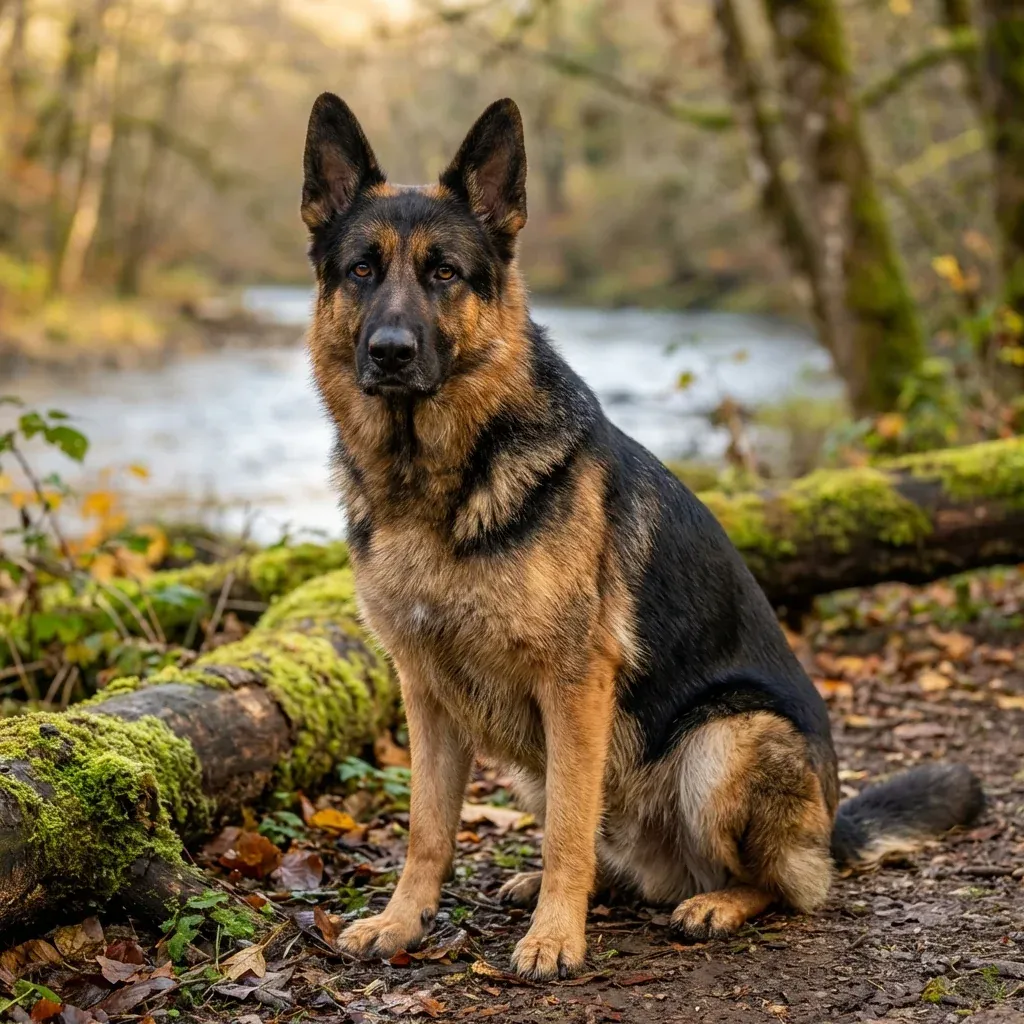 Powerful breeds such as the German Shepherd often become noticeably easier to manage when moved from pure back-clip setups to well-fitted front-clip designs.
Quick comparison: 3 harnesses for dogs that pull hard (low-mid-high)
Only three options are included on purpose to keep decision fatigue low.
| Tier | Model | Best for | Main advantage | Tradeoff | Typical price |
|---|---|---|---|---|---|
| Low | rabbitgoo No-Pull | Tight budget | Useful control for low cost | More basic materials | $20-$35 |
| Mid (top pick) | PetSafe Easy Walk | Daily city pulling | Very strong chest redirection | Plain look | $25-$45 |
| High | Ruffwear Front Range | Frequent long use | Premium comfort and durability | Higher price | $45-$70 |
If your main issue is power pulling in dogs over 55 lb, pair this with best harness for large dogs.
Low option: rabbitgoo No-Pull (entry-level control)
rabbitgoo is usually the practical entry point for owners who need better handling without starting with a premium budget.
It works well as a transition from collar-based walks or basic rear-clip gear. The biggest value is simple: decent adjustability and useful control at a low cost.
When it makes sense:
- You are starting anti-pull work now.
- You want to test front-clip mechanics first.
- You need a lower-risk first purchase.
When it may fall short:
- Very strong dog + heavy daily mileage.
- You want premium construction and finish.
Mid option (primary recommendation): PetSafe Easy Walk
If I had to pick one harness for the majority of everyday pulling cases, this would be it.
The reason is mechanical, not fashionable. The chest-oriented design helps interrupt forward momentum without forcing harsh handling. For families who need a straightforward, repeatable setup, this is usually the sweet spot.
Where it performs best:
- Dog pulls on most daily walks.
- Owner wants immediate handling improvement.
- Training uses short sessions and food reinforcement.
Important reminder: the harness helps a lot, but it does not train alone. Combine it with a clear routine.
High option: Ruffwear Front Range (comfort + longevity)
Ruffwear is commonly chosen when owners want long-term durability and better comfort for frequent or longer outings.
It is not always the strongest immediate “anti-pull correction feel” compared to strict front-control designs, but it shines once leash habits improve and comfort matters more.
When it is worth it:
- Frequent long walks.
- You value premium materials and durability.
- Your dog is active and gear sees heavy use.
When not ideal as first purchase:
- Tight budget.
- You need maximum early-stage redirection in a heavy puller right now.
Mini training guide (12 minutes per day)
Correct gear gives you leverage. Training gives you lasting behavior change.
Block 1: calm launch (2 minutes)
Before leaving home:
- Harness on, leash clipped.
- Wait for 10-20 seconds of stable calm.
- Mark and reward calm.
- Open the door only from calm behavior.
This reduces the usual first explosive pull.
Block 2: loose-leash reps in easy zone (4 minutes)
In a low-distraction area:
- Walk 3-5 steps.
- Loose leash = marker word + reward.
- Tight leash = full stop, wait micro-release, resume.
You are rewriting one rule: tight leash does not move forward; loose leash does.
Block 3: smart direction resets (3 minutes)
When traction escalates:
- Change direction smoothly.
- Invite your dog back with a cheerful cue.
- Reward when they reconnect without tension.
This is an attention reset, not punishment.
Block 4: finish with a win (3 minutes)
End in a manageable context where your dog can succeed. Good endings improve next-session predictability.
Suggested weekly rhythm
- 5 days: 10-12 minutes of focused technique + normal walk.
- 1 day: decompression sniff walk.
- 1 day: lighter review.
Most owners see meaningful changes between weeks 2 and 4 when consistency is real.
Choose by dog profile (so you do not buy the wrong tool)
Even with a good shortlist, owners still get stuck because they choose by brand fame instead of dog profile. Use this matrix:
Profile A: young medium dog, high excitement, moderate strength
Priority:
- Fast redirection.
- Easy daily handling.
- Affordable replacement if sizing changes.
Best fit:
- Start with a practical mid-control option (PetSafe style front guidance).
- Keep sessions short and highly rewarded.
Typical mistake:
- Buying an expensive comfort harness too early, then wondering why pulling mechanics barely change.
Profile B: large strong dog, frequent city walks
Priority:
- Mechanical leverage and hardware reliability.
- Precise chest fit and weekly checks.
- Consistent leash handling from all family members.
Best fit:
- Front-control first for the re-learning phase.
- Add this companion read for large-frame constraints: best harness for large dogs.
Typical mistake:
- Rotating between different rules per handler. Dogs read this as mixed feedback and keep testing pressure.
Profile C: active dog, long walks, owner already training well
Priority:
- Comfort over long durations.
- Durable materials and low friction contact points.
- Balanced control rather than maximum correction effect.
Best fit:
- A premium comfort model can make sense once leash skills are stable.
- Use high-value rewards only for hard trigger moments to keep engagement strong.
Typical mistake:
- Assuming durability equals anti-pull performance. These are related but not identical.
Profile D: fearful or environmentally sensitive dog
Priority:
- Safety and predictable fit.
- Lower trigger load during learning.
- Gentle progression with confidence-building reps.
Best fit:
- Controlled front-guidance plus decompression walks.
- Pair with your training plan from how to teach a dog not to pull on the leash.
Typical mistake:
- Practicing in busy zones too early and interpreting stress responses as “stubbornness.”
Common mistakes that slow progress (even with a good harness)
Mistake 1: sizing up “so it lasts longer”
Oversized harnesses slide, chafe, and reduce front-control function.
Mistake 2: retractable leash during training
Retractable tension usually rewards pulling with more distance.
Mistake 3: marathon correction sessions
Forty minutes of frustration is usually less effective than twelve clean minutes.
Mistake 4: no weekly fit checks
In growing or weight-changing dogs, fit can drift quickly.
Mistake 5: practicing only in chaos
If every session is in high-trigger zones, your dog cannot rehearse success.
Correct fit in 90 seconds
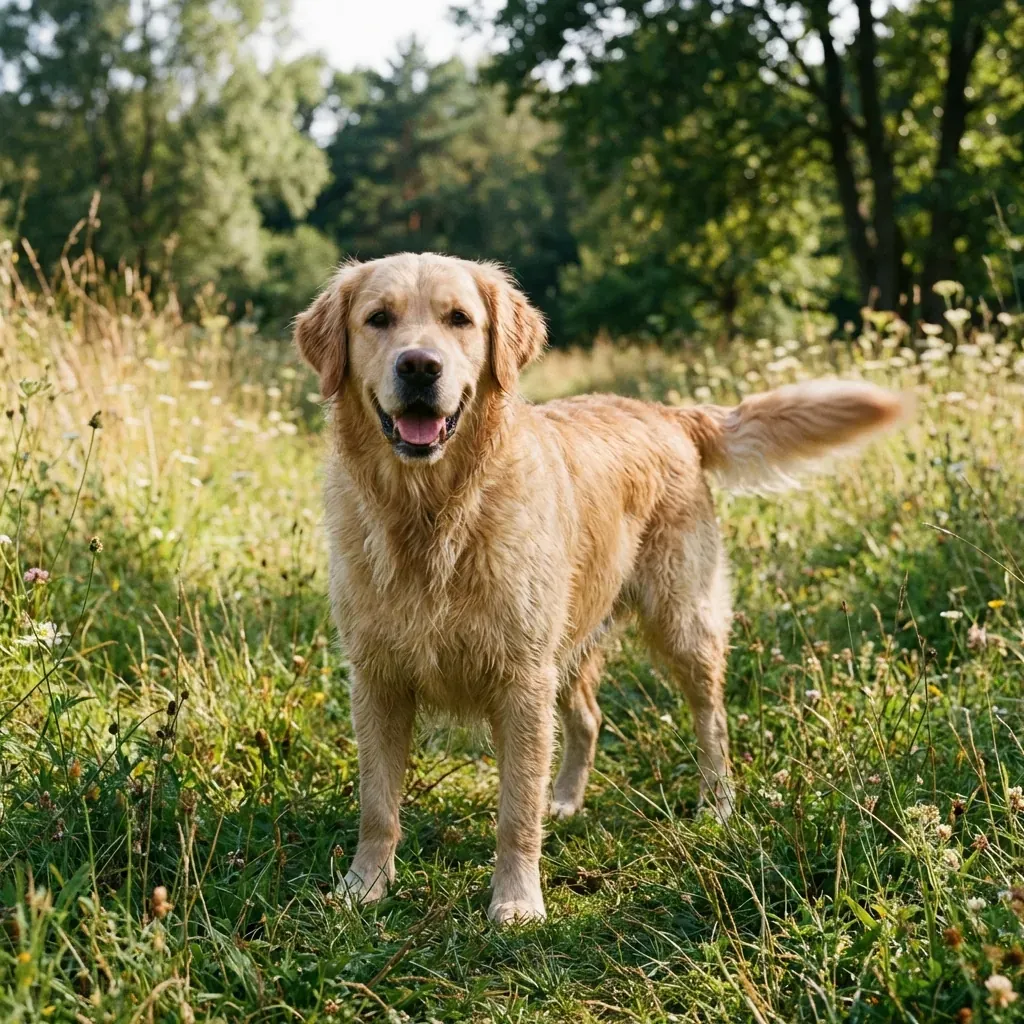 For breeds like the Labrador Retriever, proper chest and sternum alignment is the difference between true control and pure friction.
Quick checklist:
- Front clip sits centered on the chest.
- Two-finger space under each strap.
- No direct rubbing into armpits while moving.
- Buckles locked and seams intact.
- Two-minute indoor fit test before outdoor use.
If fit is wrong, model quality will not save the walk.
Clear final recommendation
If your dog pulls hard and you want practical improvement now, start with:
PetSafe Easy Walk (mid option) plus a short daily loose-leash routine.
Reassess after 2-4 weeks:
- If walks are calmer and you want extra comfort, move up to premium.
- If pulling is still intense, check fit and consistency before changing products.
If you want calmer walks this week, do this in order:
- Pick a functional front-clip harness (start with Mid if unsure).
- Measure and fit with the two-finger rule.
- Run the mini protocol 5 days this week.
Frequently asked questions
Does an anti-pull harness stop pulling 100%?
Not by itself. It reduces usable pulling force, but training is required for stable long-term change.
How fast should I expect results?
Many dogs show visible improvement in 2-4 weeks when fit and routine are consistent.
Is this valid for large, strong dogs?
Yes, if sizing is precise, hardware is checked, and training is done regularly. For heavier dogs, also read best harness for large dogs.
Can I return to back-clip once my dog improves?
Yes. Once leash skills are stable, you can rotate by context.
What if my dog tries to back out of the harness?
Review fit immediately, lower trigger intensity, and consider escape-proof designs for high-risk cases.
Quick Answer
Use these two links first: one best-overall choice and one sizing workflow.
Recommended for breeds
Related guides
- Best Escape-Proof Harness for Fearful Dogs (2026): 3 safer picks + fit guide
- Best Harness for Large Dogs (2026): 3 durable picks for real pulling control
- Best Harness for Small Dogs (2026): a practical guide to get fit and control right
- The Best Dog Harnesses for Hiking: What to Look For and What to Avoid
- The Best Harnesses for Puppies: How to Choose Without Overspending