
Best Anti-Pull Dog Harness (2026): Choose the Perfect One for a Dog That Pulls Hard
Affiliate Disclosure: Some links in this article are Amazon affiliate links. This means we may earn a small commission if you buy — at no extra cost to you. We only recommend products we would use with our own dogs.
- Pulls hard → PetSafe
- Premium comfort → Ruffwear
- Budget test option → rabbitgoo
Does your dog pull on the leash as if training to pull a sled? Don’t worry, you aren’t the only one.
Does your arm or shoulder hurt every time you go out for a walk? We know how deeply frustrating it is when your daily moment of disconnection turns into a constant street tug-of-war. The good news is that, with the right tool and a proper fit, that nightmare disappears. Imagine walking with a completely loose leash, your dog relaxed by your side, and finally enjoying the outdoors together.
Harness vs collar: which is better if your dog pulls
Before choosing, the eternal doubt: harness or collar? If your dog pulls hard, a collar can generate excessive pressure on the trachea and neck, which is not only uncomfortable for them but potentially dangerous in the long run. A harness, on the other hand, distributes the force across the chest and shoulders. Therefore, to train their walk and protect their health, a harness (especially one designed to redirect force) will always be the safest and most effective option.
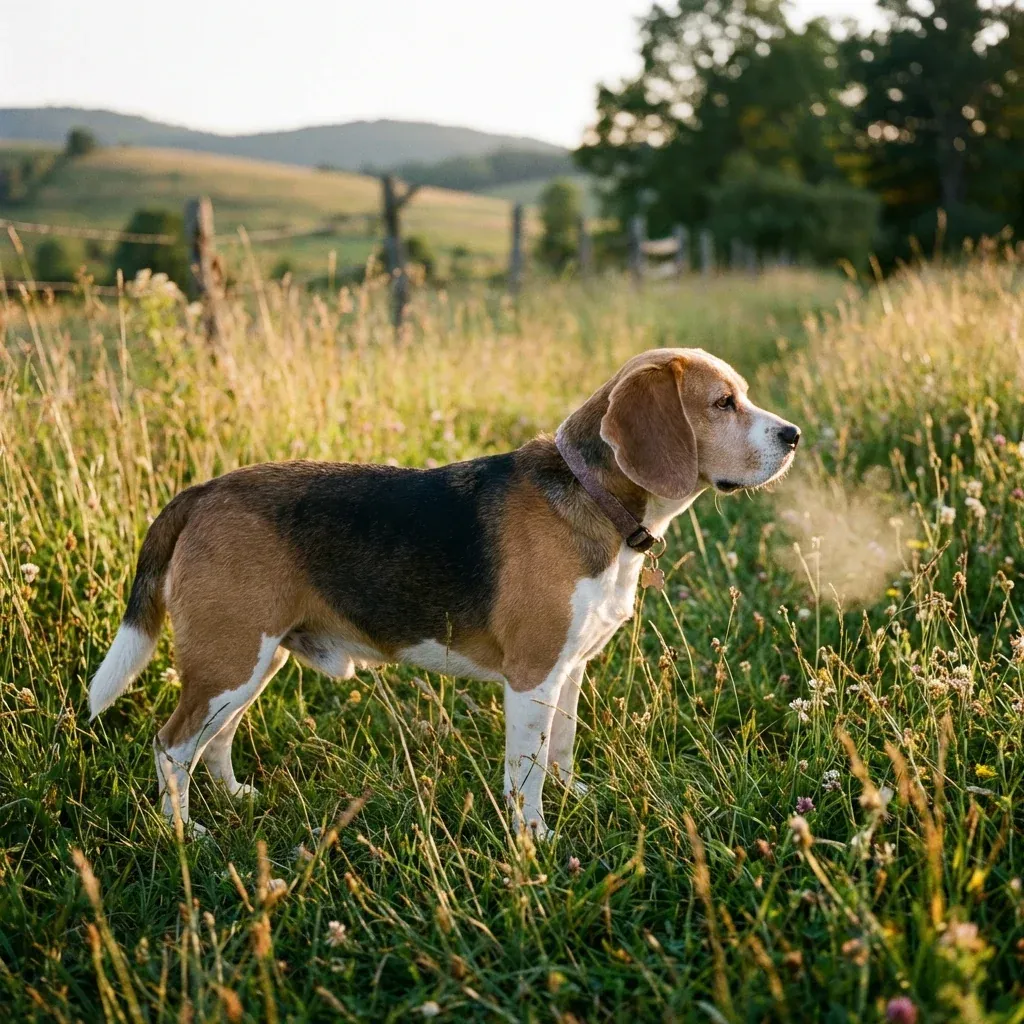 If your friendly Beagle decides today is the day to hunt down a street scent, the anatomical difference between choking their neck or redirecting them from the chest is huge.
Before You Buy: Answer These 3 Questions (30 seconds)
1) Does your dog pull a lot? If your dog pulls, you should prioritize a front-clip attachment or a “no-pull” design, as this will give you much more control.
2) Do they escape or are they fearful? If you have a fearful dog or one with a tendency to escape (or if you’re looking for the best harness for a small dog that’s very slippery), we recommend searching for an escape-proof harness for fearful dogs that offers greater support and a third anchor point around the belly.
3) Where do you walk mostly? For city walks at night, reflective elements are vital. If you’re heading to the mountains, you need durability and premium tier materials.
Anatomy of a Good Harness (Or Why You Keep Flying Forward)
If you’ve made it here with shoulder tendonitis or lower back pain, let’s address the elephant in the room: the physics of pulling. Many owners buy the thickest, most padded harness they can find thinking “this way it won’t hurt when they pull and they’ll slow down.” Huge mistake.
When you use a bulky harness with a back-clip attachment on a reactive or highly active dog, you are replicating the exact same biomechanics applied by sled dogs (mushing). The point of maximum leverage is located squarely on the strongest part of their upper body. Basically, you’ve just gifted your dog the perfect armor to drag you using 100% of their power.
📖 My experience testing models: I remember the first time I used a pure “mountain” harness with a back clip on a super reactive 65 lb rescue mix named Thor. I bought him a beautiful model. During our first walk, we saw a cat sprinting in the distance. I ended up on my knees eating grass, the leash tense as a guitar string, and Thor didn’t even cough. He was fresh and full of traction. That’s how I learned the hard way that technical gear doesn’t override the laws of physics.
On the other hand, the geometry of the front-clip attachment works by drastically altering the animal’s pivot point. When the dog accelerates and the leash tenses, the pull on the chest ring forces the dog’s shoulders to automatically turn toward you, immediately breaking their linear forward momentum. It’s not magic, it’s pure biomechanical advantage. Yes, the no-pull harness really works and it will return your physical control by brutally reducing their force vector. However, your goal should be to use this newfound peace to apply a few minutes of positive training, not just as a “permanent patch.”
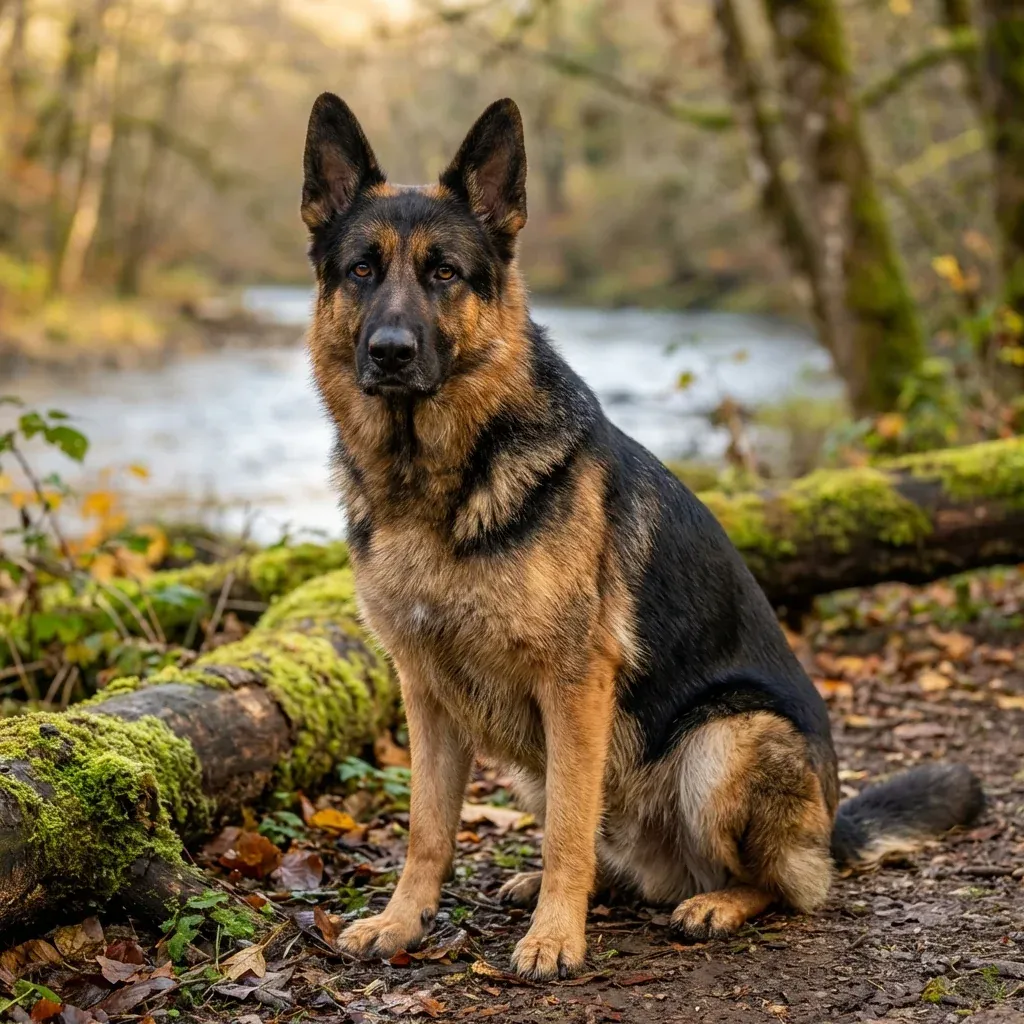 Powerful and intelligent breeds like the majestic German Shepherd respond incredibly well to a good front-clip harness, instantly understanding that tension interrupts their forward progress.
Quick Comparison (Low-Mid-High)
| Our Pick | Option | Best for | Control / Safety Level | Anti-pull level | Attachment type | Est. Price* |
|---|---|---|---|---|---|---|
| ⭐ Best Value | Low: rabbitgoo No-Pull | Tight budgets and first anti-pull setup | Medium | Medium | Front + back | 20–35€ |
| 🏆 Most Recommended | Mid: PetSafe Easy Walk | Dogs that pull hard daily | High | High | Front martingale style | 25–45€ |
| 👑 Premium | High: Ruffwear Front Range | Comfort-focused daily use | Medium-High | Medium | Front + back | 45–70€ |
*Estimated price: may vary by size, color, and active offers.
⚠️ High Season Alert: As spring and summer approach—when long walks and getaways skyrocketed—stocks of the most popular models (especially S and M sizes) tend to empty out quickly and Amazon shipping times get longer. If you see them in stock today, it’s a great time to close the purchase.
💡 If in doubt, choose the mid. It’s the “sweet spot” for most owners looking for quick walk-training results.
Remember: double-check your dog's measurements before ordering on Amazon.
⭐ Best Value Harness: rabbitgoo No-Pull
This is the ideal option if it’s your first “serious” harness to try to control pulling and you don’t want to spend much budget looking for the best harness for small dogs or mediums. Its strong points include a wide adjustment range and the dual leash clip.
A good fit changes everything: remember to use a tape measure at home before hitting buy.
🔗 View rabbitgoo on Amazon 🛒
View rabbitgoo on Amazon 🛒
Check current size and availability.
🏆 Most Recommended for Pulling: PetSafe Easy Walk
Ideal for when your dog consistently pulls and you want a simple solution that facilitates the education process. The “front-clip” design is unbeatable for redirecting their shoulders when they try to charge forward like a freight train. If you pair it with positive reinforcement (rewarding when they walk close), walks will relax spectacularly.
Check the size before buying: this harness needs to sit firmly across the sternum to work properly.
🔗 View PetSafe Easy Walk on Amazon 🛒
View PetSafe Easy Walk on Amazon 🛒
Check current size and availability.
👑 Everyday Premium: Ruffwear Front Range
If you want comfort, highly durable materials, and a harness that will stay with you for years, this is your option. It’s usually excellent for both daily urban walks and light hiking trails, thanks to its great padding and solid attachment points. (Read our in-depth Ruffwear review here).
Crucial check: its padded panels can chafe if you don’t properly adjust all four side straps.
🔗 View Ruffwear Front Range on Amazon 🛒
View Ruffwear Front Range on Amazon 🛒
Check current size and availability.
Common Mistakes When Choosing a Harness (And Wasting Your Money)
Over the years spent watching dogs walk in parks and interacting with trainers, I’ve realized that the vast majority of harness frustrations boil down to three classic mistakes. Avoid them, and you’ll have the battle half won:
- The Infinite Padding Fallacy: We humanly think “more cushy is better.” This works for small brachycephalic breeds, but for working or field breeds, horizontal wide-band harnesses (the famous “Norwegian” style) completely block the natural forward stride of the scapulas (shoulders). Solution: Always look for Y-shaped harnesses (like the Ruffwear) that allow your dog’s elbows and front limbs to circulate freely.
- “I’ll buy one size up so it lasts”: The worst commercial decision possible. A wide harness will dance around the chest. The front redirection point will slip to the armpit, losing 100% of its braking capacity and causing severe chafing. Worst of all, you’ve just enabled the notorious “Houdini maneuver”: dog backs up scared, drops elbows, and the harness flies right over their head.
- Failing to Calibrate Straps Asymmetrically: You buy the exact size, but when the package arrives, you tighten everything at once, leaving it lopsided. The clip isn’t resting in the absolute center of the sternum. Result: the dog walks limping or crooked, slowly ruining their musculoskeletal structure.
How to Measure Size (Without the Drama)
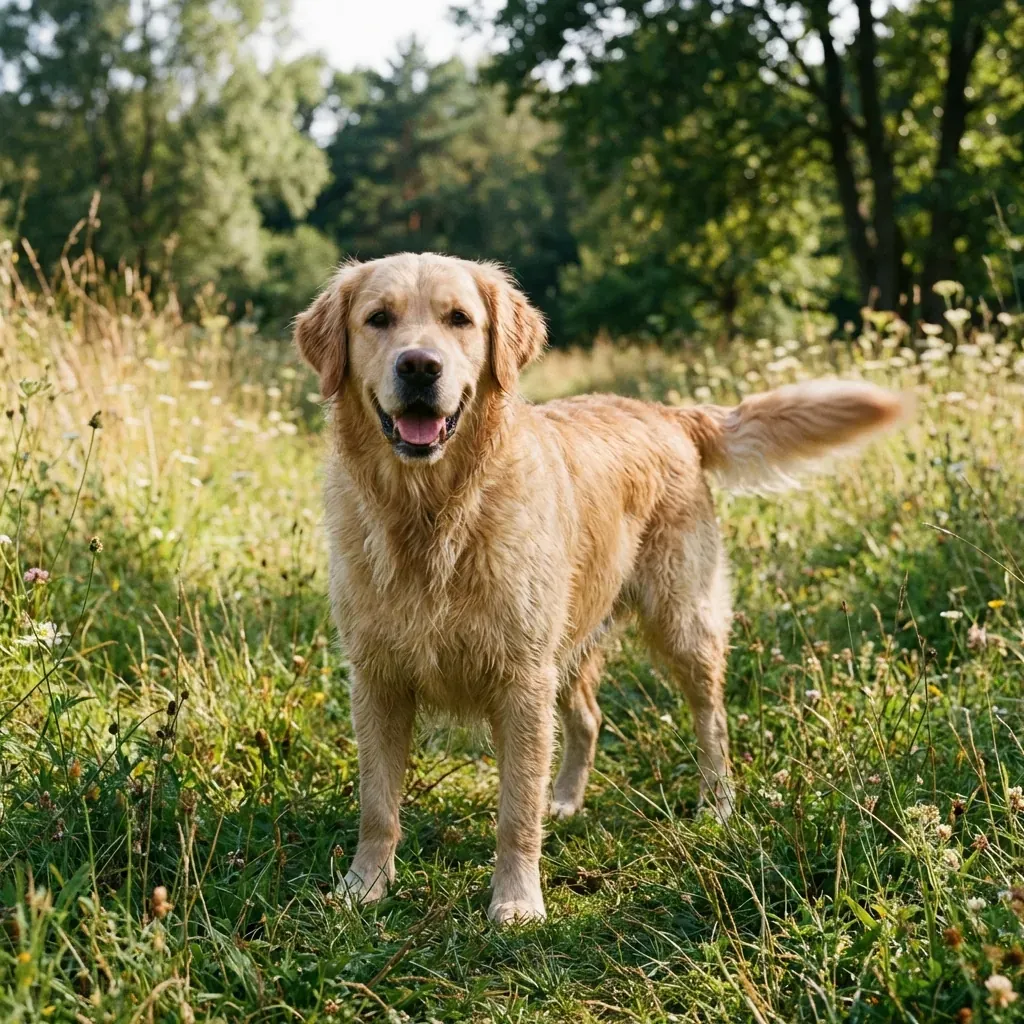 Measuring the deep chest girth of an adult Labrador Retriever guarantees a comfortable hold for long walks without pinching the armpit skin.
You only need a flexible tape measure and a couple of minutes. The most crucial measurement is the chest or girth, which you should measure by wrapping around the chest just behind the front legs. If the model requires the neck measurement, do it at the lower part.
The correct fit is one that sits firmly on the dog’s body but allows you to slip two fingers underneath the straps to avoid any kind of friction chafing.
Articles You Should Read Before Buying
If you want to dive deeper and guarantee a total improvement, we suggest taking a look at these readings on our site:
- How to teach a dog not to pull on the leash
- Best leashes for pulling dogs
- How to measure your dog correctly
- Best training treats
- Harness vs collar
- Escape-proof harnesses for fearful dogs
- How to put a harness on a fearful dog
- Best dog harnesses for growing puppies
- Best dog harnesses for hiking and trailing
- Shopping by breed: Best harness for Labradors | Best harness for Border Collies
What if I Buy the Wrong Harness?
It’s one of the most frequent doubts, and it’s completely normal to be afraid of making a mistake or thinking, “what if my dog hates it?”. The reality is that almost any modern, well-made harness will work for you, but the mistake is almost always in the chosen size, not the model itself.
Make sure to take measurements today, and don’t worry excessively: thanks to current policies (like Amazon’s simple returns), if the harness arrives home, you try it on indoors keeping it clean, and see it’s too big on the chest or too loose on the shoulders, exchanging it for the right size is very easy. Reducing your frustration during walks is well worth the small effort of testing it first.
Frequently Asked Questions (FAQ)
Is a harness or a collar better?
Depends on the dog. For dogs that pull a lot, a harness distributes pressure better and avoids painful tracheal injuries.
Does an anti-pull harness completely stop pulling 100%?
They aren’t magic buttons. They enormously facilitate physical handling, but your goal must always be to combine them with an educational routine.
What do I do if my dog escapes from the harness?
You need a specific escape-proof harness and to double-check the size scrupulously. It also helps a lot to work on their fear at home.
If your dog pulls hard and you want maximum control, choose PetSafe Easy Walk.
If you prioritize premium comfort for daily use, choose Ruffwear Front Range.
If budget is tight and you want a solid first step, choose rabbitgoo No-Pull.
Quick Answer
Use these two links first: one best-overall choice and one sizing workflow.
Recommended for breeds
Related guides
- Best Harness for Dogs That Pull Hard (2026): A Hybrid Guide for Real-World Walks
- Best Escape-Proof Harness for Fearful Dogs (2026): 3 safer picks + fit guide
- Best Harness for Large Dogs (2026): 3 durable picks for real pulling control
- Best Harness for Small Dogs (2026): a practical guide to get fit and control right
- The Best Dog Harnesses for Hiking: What to Look For and What to Avoid