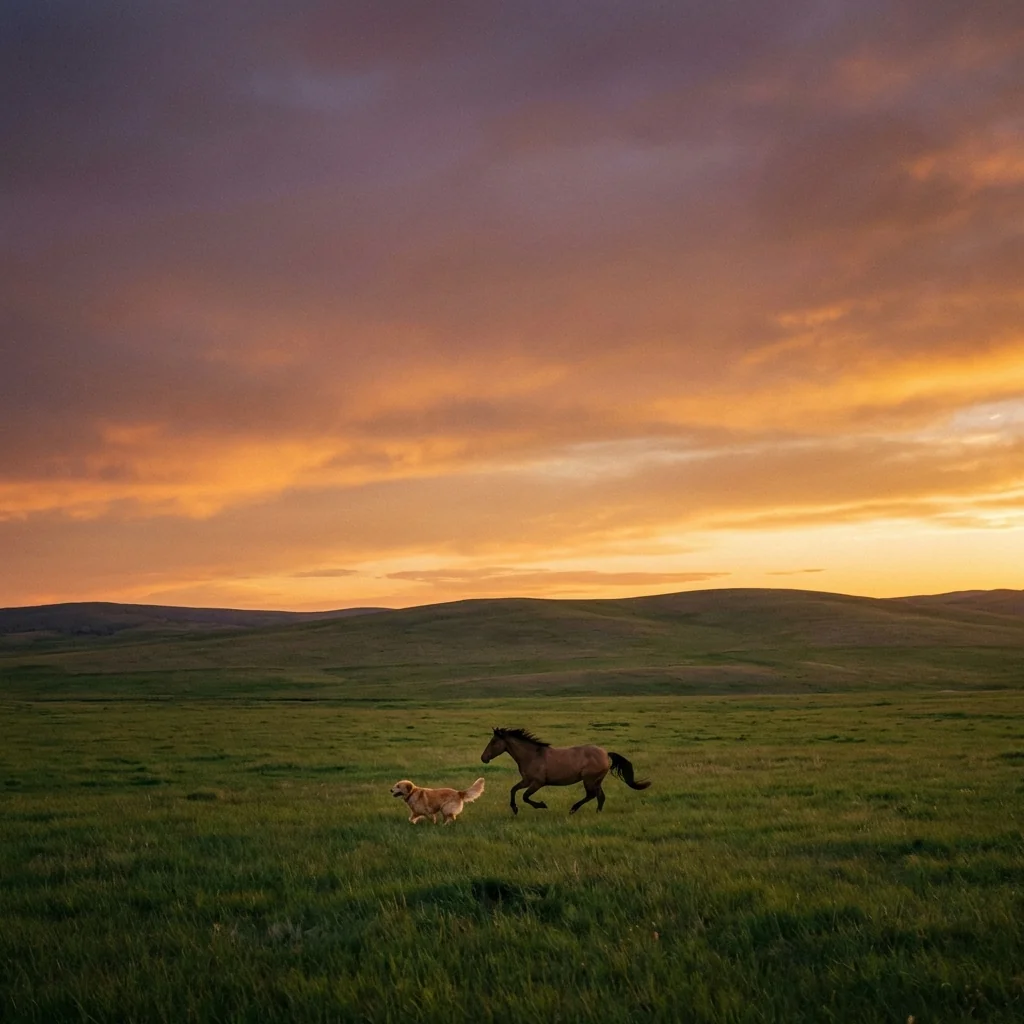
Akbash Dog Breed Characteristics: Temperament, Size, and Care Guide (2026)
The Akbash is a serious working guardian, not a casual beginner dog. If you are researching akbash dog breed characteristics, the most important thing to understand is this: the breed was developed to make independent decisions while protecting livestock, often without direct human direction in the moment.
That history shapes everything from daily behavior to training pace. An Akbash can be calm and deeply loyal with family, but the same dog can be highly alert, territorial, and selective with strangers. This guide breaks down what matters most before you commit.
If you want a quick profile first, start with our Akbash breed page, then come back here for a practical lifestyle deep dive.
What Is an Akbash Dog?
The Akbash is a Turkish livestock guardian breed known for a white coat, strong protective instinct, and independent temperament. Unlike herding breeds that are bred to respond rapidly to frequent cues, guardian breeds were selected to observe risk, assess context, and respond with confidence.
In modern homes, that means an Akbash dog may show:
- strong environmental awareness,
- low tolerance for chaotic handling,
- excellent endurance in outdoor routines,
- high commitment to its family group.
Many owners are surprised because young Akbash dogs can look quiet indoors, then become highly vigilant outside their territory boundaries. This is normal breed behavior, not a “personality switch.”
Origin and History
The Akbash shepherd dog comes from western Turkey and was historically used to guard sheep and goats against predators. The breed’s selection pressure favored dogs that could patrol, assess danger quickly, and deter threats with posture before escalation.
That historical role explains two common traits owners notice today:
- The dog often prefers to scan rather than constantly engage.
- The dog may question commands when it perceives a different priority.
This does not mean the breed is “disobedient” in a simple sense. It means training needs to respect working-breed cognition: short, clear sessions, consistency, and realistic expectations.
Akbash Temperament and Behavior
When people search for akbash temperament, they usually want a direct answer: calm or difficult? Friendly or aloof? The honest answer is that Akbash temperament is stable when the environment, boundaries, and daily routine are stable.
A well-managed Akbash is typically steady, observant, and low-drama at home. A poorly managed Akbash may become overreactive, territorial, or difficult to handle in public settings.
With families and children
In family settings, Akbash temperament with family members is usually affectionate but not clingy. Many individuals are gentle with children in their own household once clear routines are established.
What matters most:
- supervised interactions with young children,
- calm household structure,
- consistent handling rules for everyone,
- no rough play that teaches body-slamming or guarding games.
This breed is powerful. Even friendly excitement can knock over a small child. Management matters more than good intentions.
With strangers and other pets
Most Akbash dogs are naturally reserved with unknown people. Socialization helps, but it does not erase breed-level guardian instincts. Expect polite distance rather than automatic sociability.
With other pets, outcomes depend heavily on early introductions, space management, and ongoing supervision. Some Akbash dogs coexist well with stable companion dogs; others prefer a quieter social structure.
If your household includes cats, small animals, or frequent visitors, you need a proactive plan from day one, not a reactive approach after conflict appears.
Size, Weight, and Physical Traits
The Akbash is a large, athletic guardian with long legs, a deep chest, and a weather-resistant double coat. Adult males are usually taller and heavier than females, but individual structure varies.
Typical adult ranges:
- height: around 28 to 34 inches,
- weight: often 80 to 140 pounds,
- build: lean but strong, not blocky,
- coat: predominantly white, medium to long.
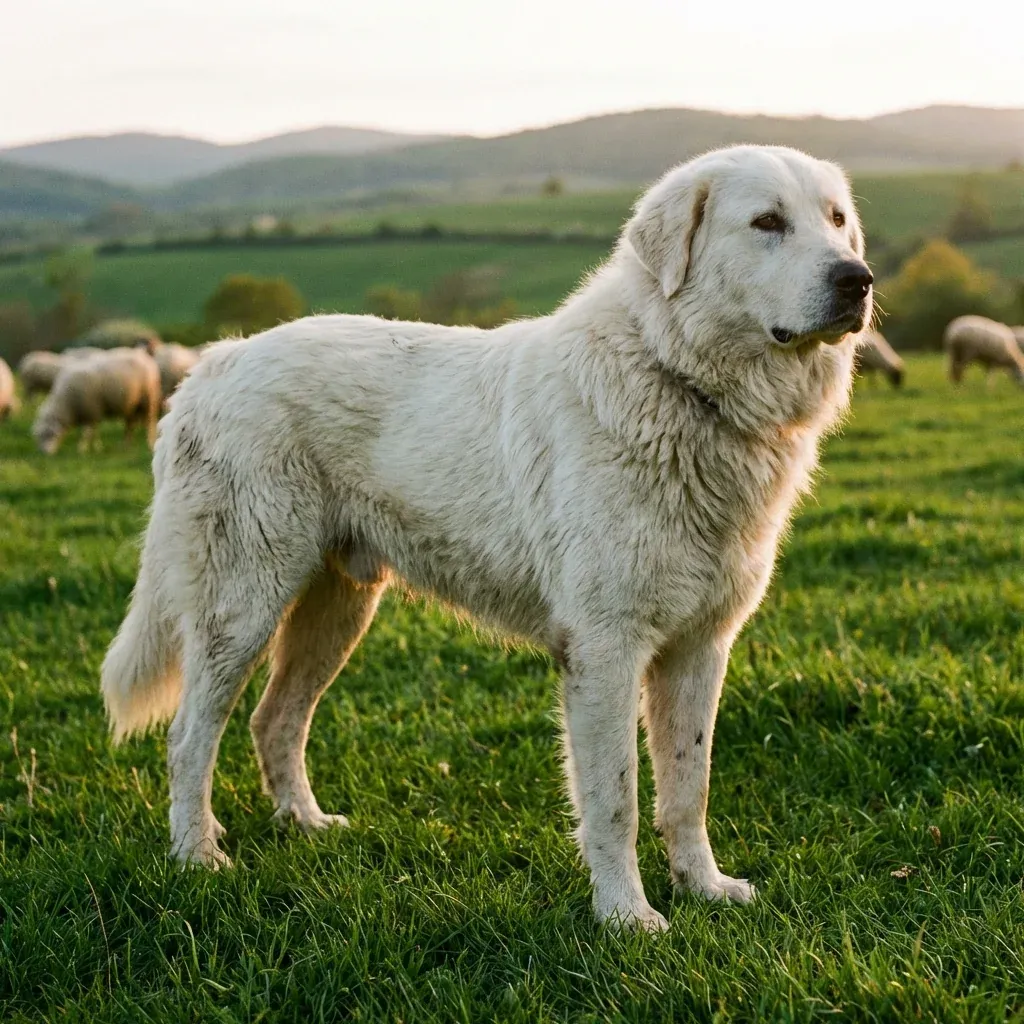 Adult Akbash profile: tall frame, guardian posture, and strong environmental awareness.
For equipment, body shape matters as much as weight. Many guardians have deep chests and strong shoulders, so chest measurement should guide sizing more than breed labels on packaging. Use this step-by-step guide on how to measure your dog correctly before buying any harness.
Akbash Puppy Stage: What to Expect
Akbash puppies are often observant and thoughtful rather than constantly “busy.” This can mislead owners into thinking training will be easy. In reality, adolescent guardian breeds frequently test boundaries as confidence increases.
During the first year, prioritize:
- neutral social exposure to people, surfaces, and environments,
- leash skills before strength peaks,
- calm crate and settle training,
- predictable routines around food, rest, and outings.
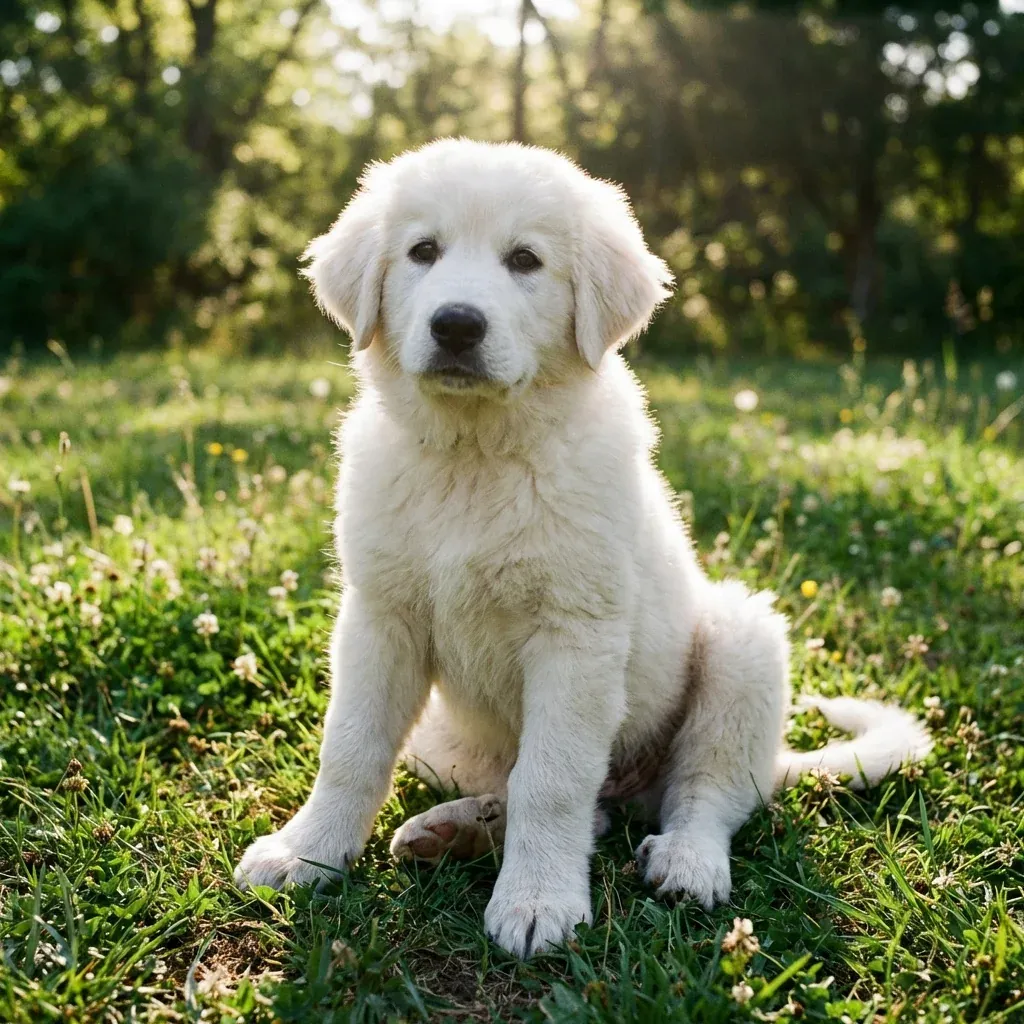 Akbash puppy stage: confidence-building and early structure are more important than “high-energy” drills.
A common mistake is allowing pulling behavior early because the puppy is still light. By the time the dog reaches full size, that same habit becomes a serious handling risk.
Exercise, Training, and Mental Needs
Akbash exercise needs are moderate to high, but this is not a breed that thrives on random, high-intensity repetition. It usually does best with purposeful movement and controlled decision-making tasks.
A practical daily structure for many adults:
- 2 structured walks with clear handling rules,
- low-arousal sniffing or patrol-style time,
- brief obedience sessions,
- decompression time in a quiet area.
For leash control, pair training with appropriate handling gear. Our guide on how to teach dog not to pull on leash gives a step-by-step framework you can use immediately.
Training priorities should be realistic:
- focus on reliable basics under distraction,
- reward calm decision-making,
- avoid punishment-heavy methods that increase defensive behavior,
- train for management, not robotic precision.
Guardian breeds can absolutely learn advanced skills. The difference is pace and motivation strategy.
Common Health Considerations
Like many large dogs, Akbash individuals can be vulnerable to orthopedic stress if growth, body condition, or exercise load is poorly managed. Coat care and skin monitoring are also important because dense white coats can hide irritation until it is advanced.
Common areas to monitor with your veterinarian:
- hips and elbows,
- body condition score and weight control,
- skin and ear health,
- digestive stability during diet transitions.
This section is educational, not a diagnosis. Build a preventive care plan with your vet based on your dog’s age, activity level, and medical history.
Is the Akbash Right for Your Lifestyle?
The Akbash can be an exceptional partner in the right context and a stressful mismatch in the wrong one.
It may be a good fit if you:
- have experience with large, independent dogs,
- can provide consistent boundaries,
- value calm guardianship over high-social dog-park behavior,
- have space and routine for structured daily management.
It may be a poor fit if you:
- want an always-social, easygoing public dog,
- prefer minimal training effort,
- cannot manage large-dog strength safely,
- live in an environment with constant high-traffic stimulation and no decompression options.
If you are comparing akbash vs livestock guardian dogs, think in terms of practical handling tolerance, visitor flow at home, and your ability to enforce routines for years, not weeks.
Gear Checklist for an Akbash (non-branded guidance)
You do not need dozens of products. You need a few durable, correctly fitted basics.
Core checklist:
- adjustable harness sized from chest measurement,
- strong leash with comfortable grip,
- backup collar with ID,
- long line for controlled distance work,
- visible-light gear for low-light walks.
For larger guardian builds, this comparison can save time: best harness for large dogs. For daily walk control and durability options, see best leashes for pulling dogs.
FAQ
Is Akbash a good family dog?
An Akbash can be a good family dog in homes that provide structure, supervision, and consistent boundaries. It is generally better for experienced owners than first-time households.
How much exercise does an Akbash need?
Most adults need daily structured exercise plus mental work. Think in terms of quality and consistency rather than endless high-speed activity.
Are Akbash dogs easy to train?
They are trainable, but not typically “easy” in the same way as handler-focused breeds. Expect steady progress with clear routines and fair, consistent methods.
Akbash vs other guardian breeds
Compared with many other livestock guardian breeds, the Akbash is often described as athletic, observant, and strongly territorial when needed. Individual behavior still depends on genetics, socialization, and handling quality.
Quick Answer
Use these two links first: one best-overall choice and one sizing workflow.