Nordlandshest/Lyngshest
The Nordlandshest (or Lyngshest) is the pride of northern Norway. A robust and versatile Viking pony that was on the brink of extinction.
Start from the resources hub and jump back to the Horse Breeds index.
Advertisement
Summary
It is the smallest of the three national breeds of Norway (along with the Fjord and the Dole), but no less capable. The Nordlandshest/Lyngshest was bred to work on mountain farms, haul fishing boats, and serve as transport in impossible terrain.
Origin and History
Its origins date back to the Viking Age. During World War II, the population was drastically reduced to just a few individuals, miraculously saved thanks to the efforts of local breeders in the Lyngen region.
Temperament and Personality
It is a horse with “spark” but very sensible.
- Cooperative: Always willing to work, rarely lazy.
- Calm: Despite its energy, it does not scare easily, a necessity in the steep fjords.
Physical Characteristics
Lighter and more athletic than the Fjord.
- Height: 12.1-14.1 hands.
- Body: Rectangular and muscular.
- Coat: Unlike the Fjord, almost any solid color is allowed (chestnut and bay are common), but never pinto. They develop a very dense winter coat.
Foal Stage
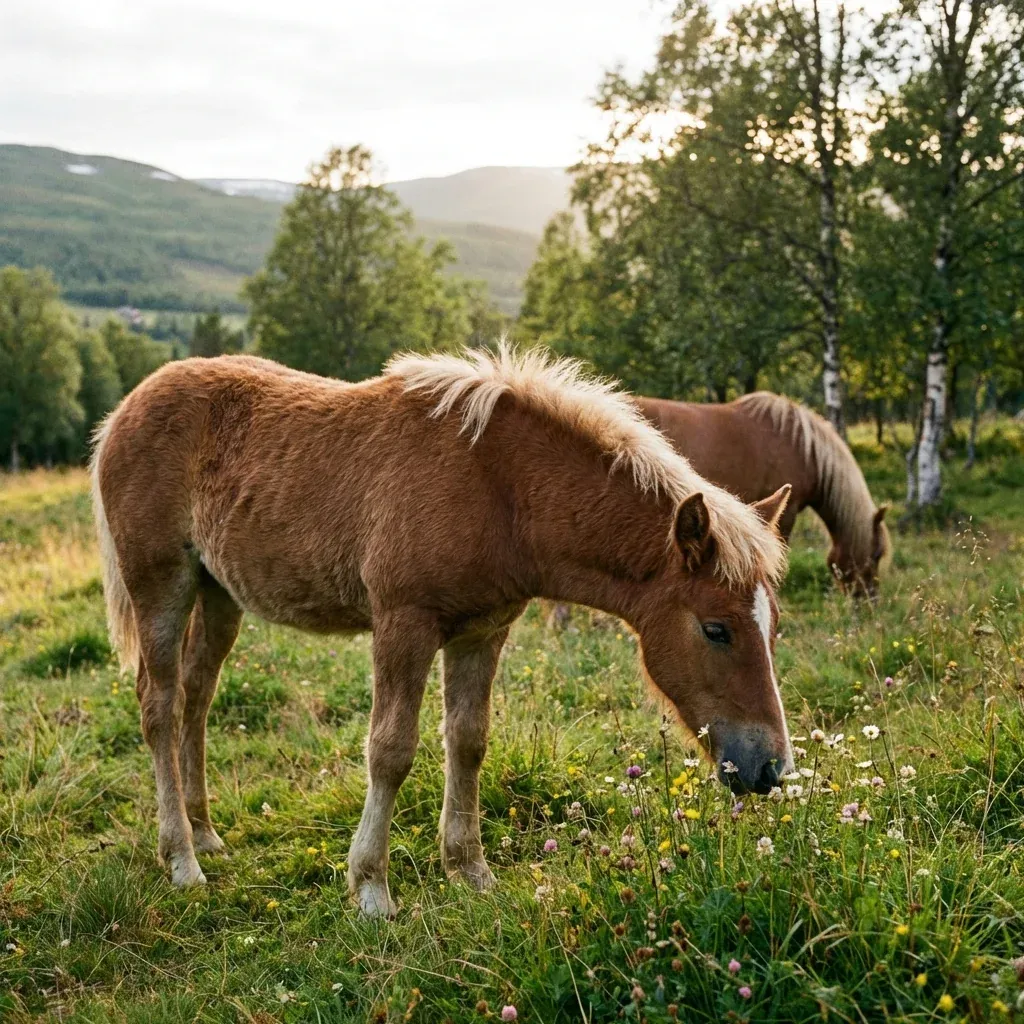
Foals are incredibly independent from early on.
- Development: Mature slowly like many Nordic breeds.
- Character: They are very curious and, if not educated, can become smart little tyrants.
Adult Stage
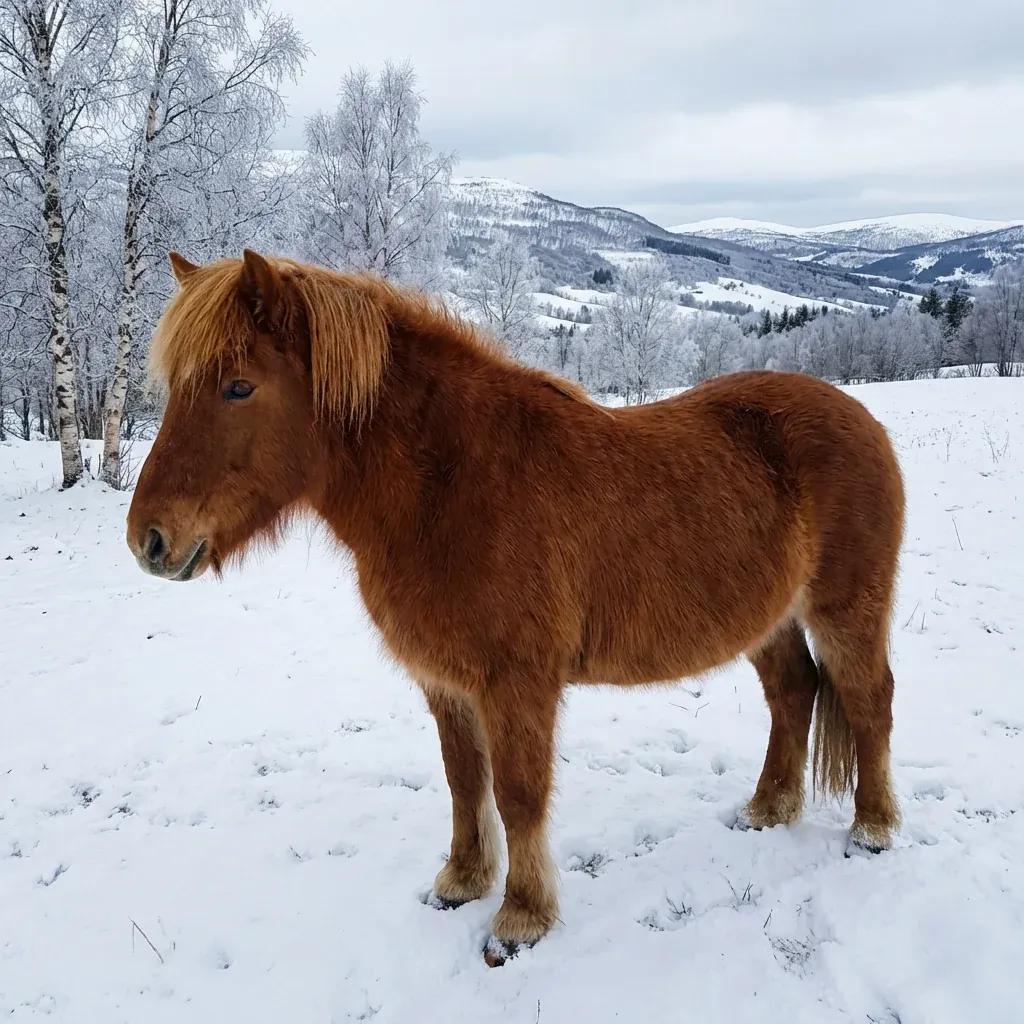
Once mature, they are horses for everything.
- Versatility: Compete successfully in Dressage, Jumping (they have impressive jumping ability for their size), and Harness Racing.
- Strength: Can carry adults without issues thanks to their strong back.
Health and Care
Extremely healthy and long-lived breed.
- Equine Metabolic Syndrome: As a rustic breed, the enemy is rich food. Monitoring weight is vital.
- Hooves: Excellent quality, hard as rocks.
Needs and Routines
- Life: Ideally outdoors (paddock paradise or pasture).
- Training: They need variety. They get bored with excessive repetition in the arena.
Advertisement