Australian Riding Pony
The Australian Riding Pony is the perfect blend of elegance and functionality. An ideal sport pony for children aiming to compete.
Start from the resources hub and jump back to the Horse Breeds index.
Advertisement
Summary
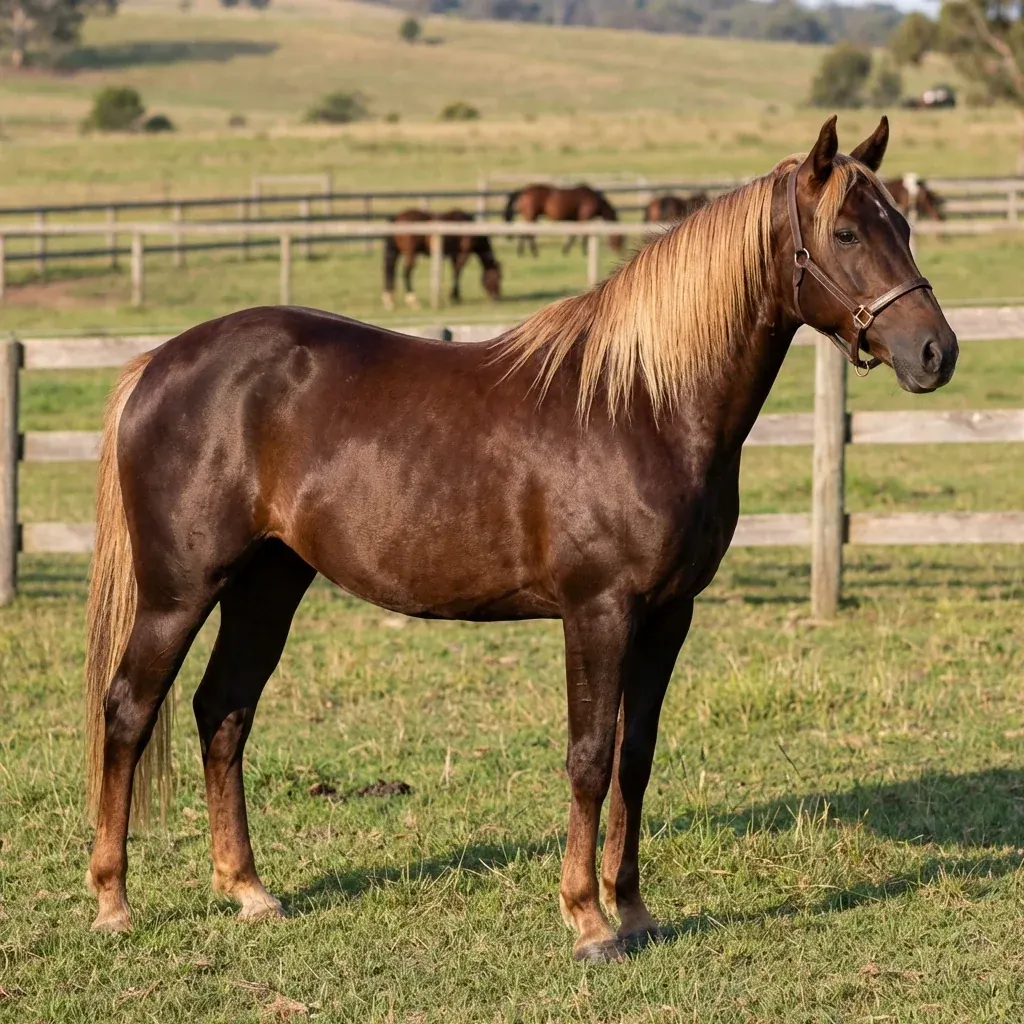
Known as the “miniature Thoroughbred,” the Australian Pony is a refined and elegant breed. It has been bred specifically to be the perfect partner for children and teenagers in high-level equestrian competitions (Hack, Dressage, Show Jumping).
Origin and History
Unlike rustic native ponies, this breed was developed in the 20th century by crossing the best British ponies (Welsh, New Forest) with Thoroughbreds and Arabians. The goal was to create a pony with the movement quality of a large horse but in a reduced format.
Temperament and Personality
Has hot blood from its Thoroughbred ancestors.
- Lively: More energetic than a Shetland pony. Requires a rider with some touch.
- Intelligent: Learns very fast, for better or worse.
- Noble: Generally very safe for children, but with “spark.”
Physical Characteristics
Looks like a small Thoroughbred.
- Height: Up to 14.2 hands.
- Head: Fine and chiseled, straight or slightly concave profile (Arabian influence).
- Body: Athletic, sloping shoulders (good for galloping), and fine but strong limbs.
- Coat: Any solid color is permitted.
Foal Stage
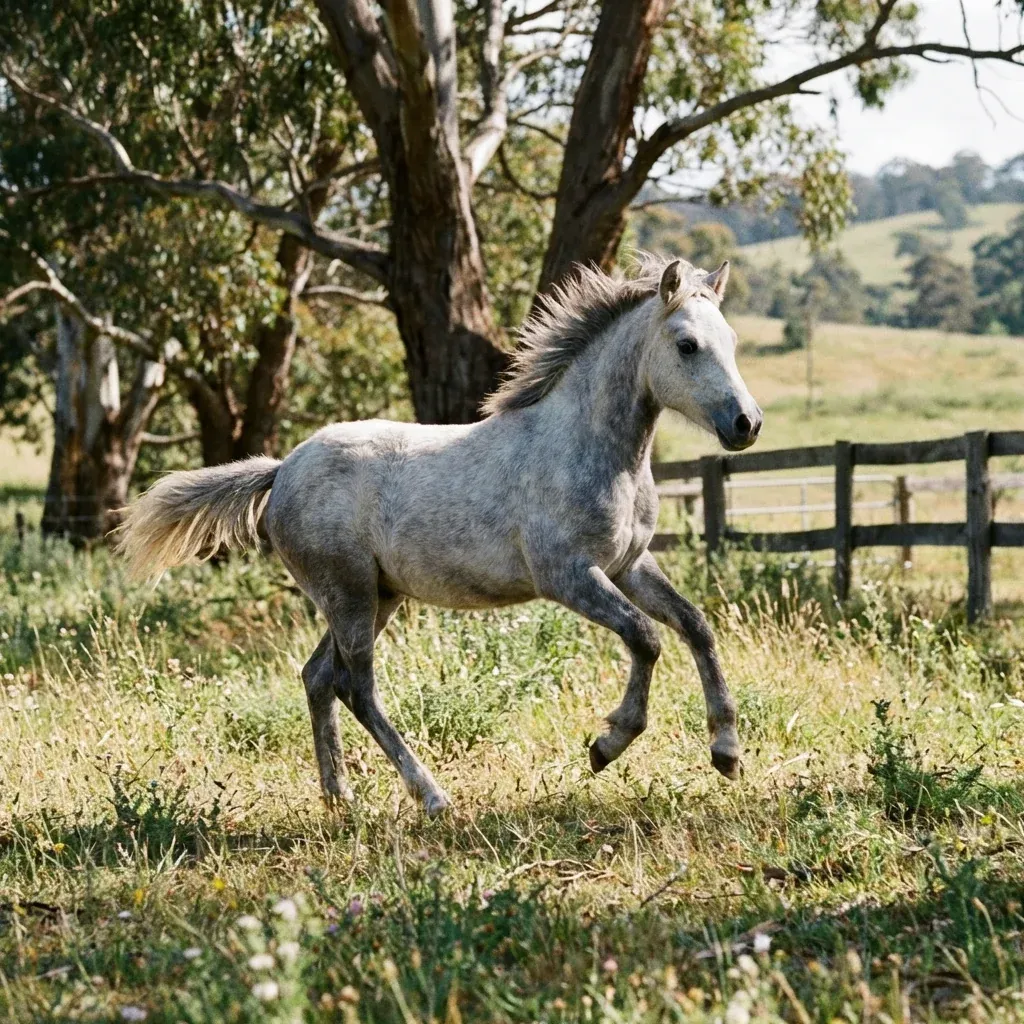
Foals are exquisite miniatures.
- Preparation: Often shown in morphology classes (In Hand) from a very young age.
- Socialization: Accustoming them to the show environment (noises, loudspeakers, transport) from a young age is key.
Adult Stage
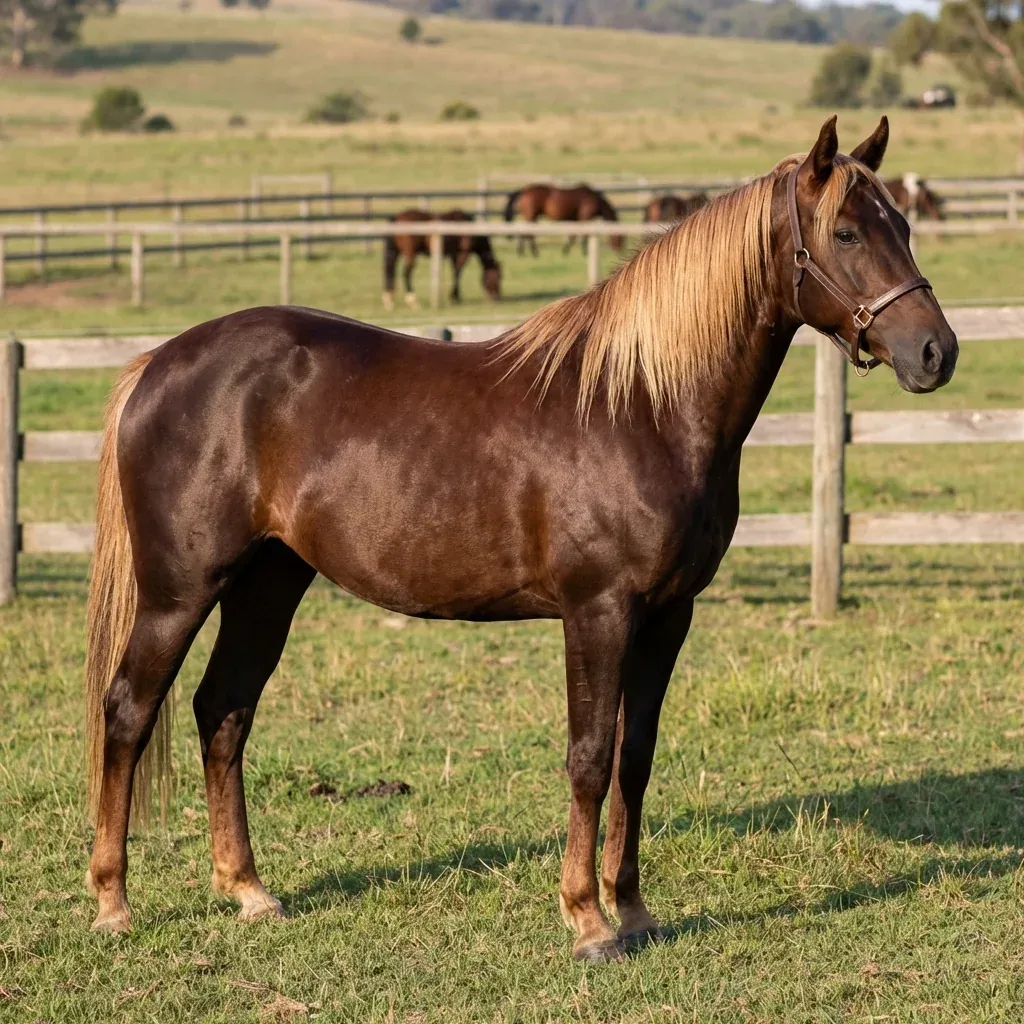
The show ring is where they shine.
- Movement: They have free and extensive gaits, not the choppy stride of some ponies.
- Versatility: Dominate in “Show Pony” and “Hunter Pony” classes.
Health and Care
More delicate than rustic mountain ponies.
- Hooves: Need regular care, frequent corrective shoeing if competing.
- Skin: Thin skin, may need blankets in winter or protection against insects in summer.
Needs and Routines
- Training: Require a serious training program. Not garden “lawnmowers.”
- Feeding: Balanced athlete diet. Watch out for excess energy (grain) if they don’t work enough.
Advertisement