American Indian Horse
The American Indian Horse is not just a breed, it is a living legacy. Descended from horses brought by the Spanish and adapted by native tribes, it is a symbol of endurance and versatility.
Start from the resources hub and jump back to the Horse Breeds index.
Advertisement
Summary
The American Indian Horse encompasses several lines of horses developed by Native American tribes. It is defined not so much by strict conformation, but by its toughness, agility, and spirit. They are born survivors, capable of subsisting on sparse forage and covering vast distances.
Origin and History
They descend from Iberian horses (Mustangs) brought to the New World by the conquistadors. Tribes such as the Nez Perce, Sioux, and Cheyenne became expert horsemen and selective breeders, developing horses ideal for warfare, buffalo hunting, and transport.
Temperament and Personality
They are horses with a lot of character.
- Intelligence: Quick learners with a strong self-preservation instinct.
- Bond: Once trust is earned, they are extremely loyal.
- Versatility: Suitable for almost any discipline, from Western to endurance.
Physical Characteristics
Varied, but generally functional.
- Size: Small to medium.
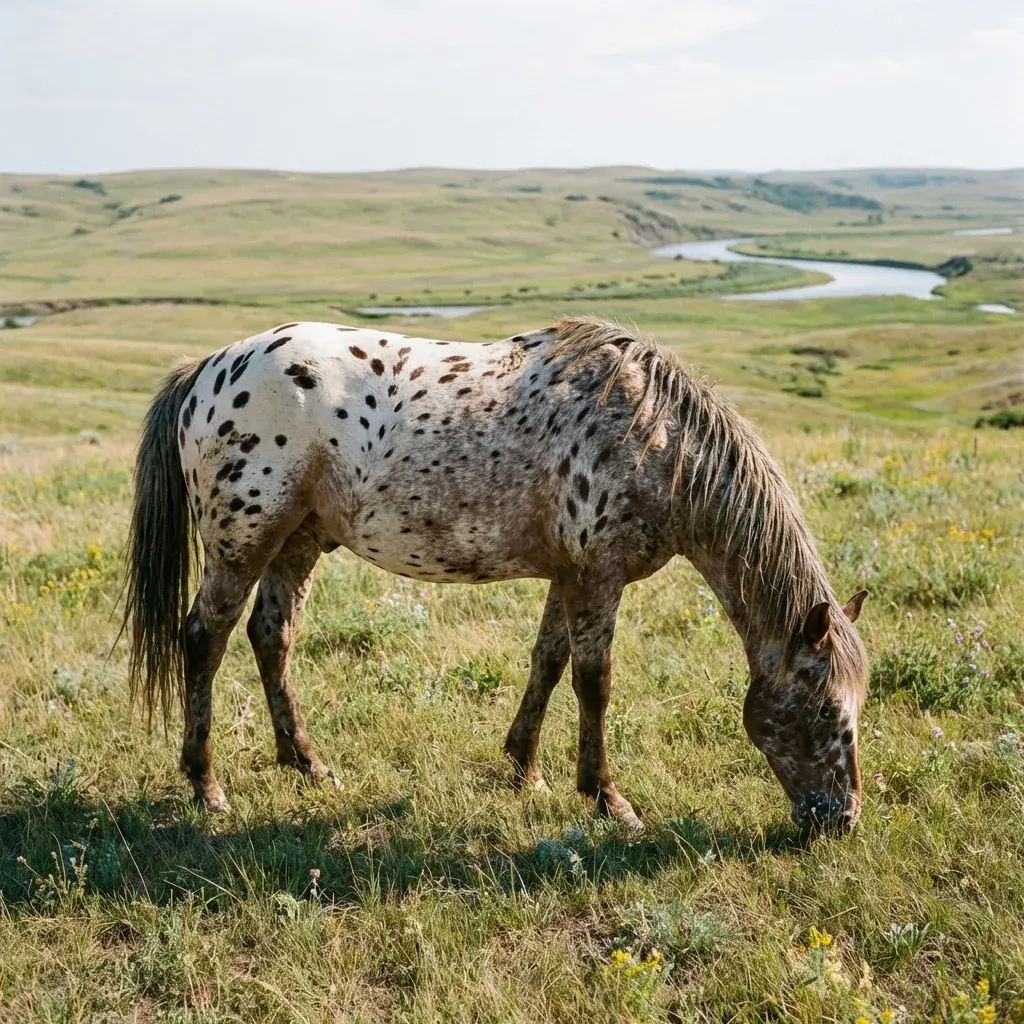
- Coat: Any color is accepted, but spotted patterns (Appaloosa, Pinto) and diluted colors (Dun, Grullo) are famous for providing natural camouflage.
- Build: Dense bone, rock-hard hooves, and exceptional cardiovascular endurance.
Foal Stage
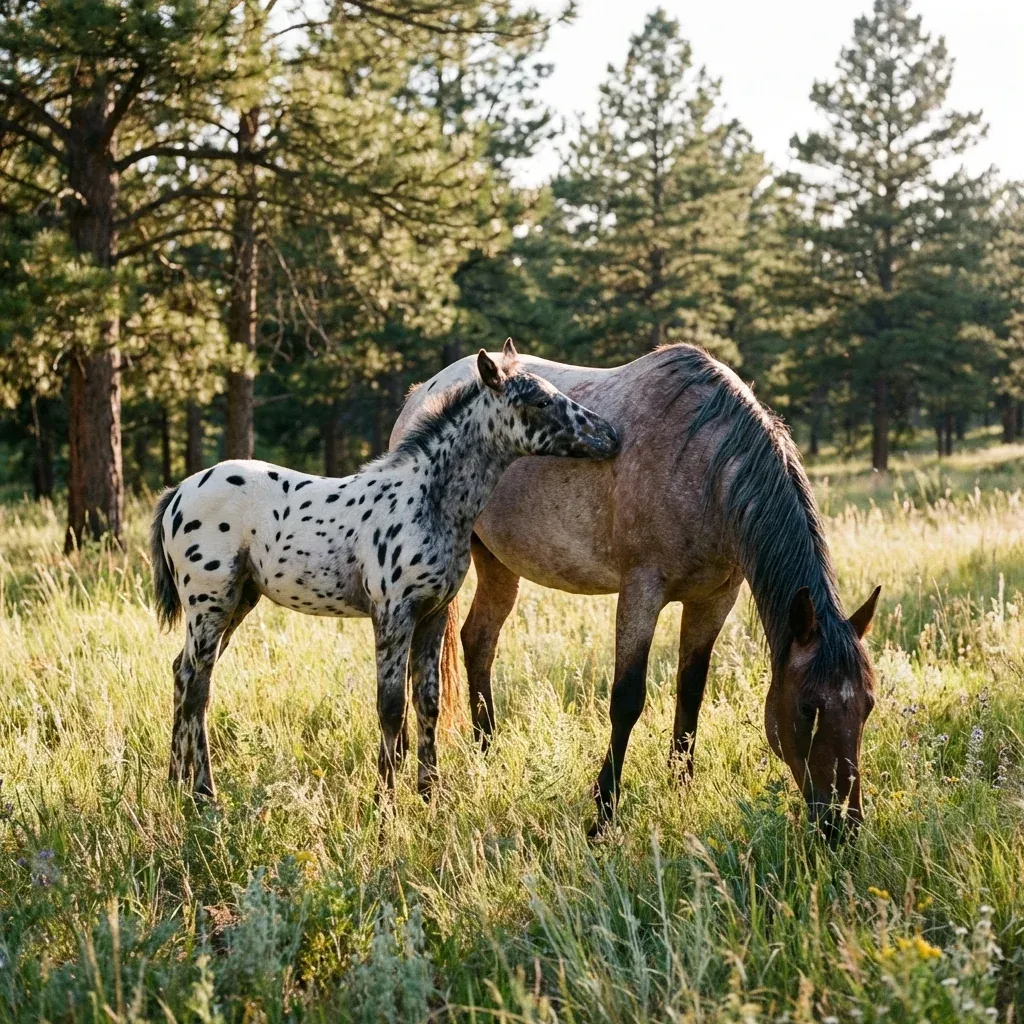
Foals are born strong and alert.
- Development: They mature somewhat slower than heavy breeds but are tough and long-lived.
- Handling: Early and gentle handling (imprinting) is beneficial to channel their intelligence.
Adult Stage
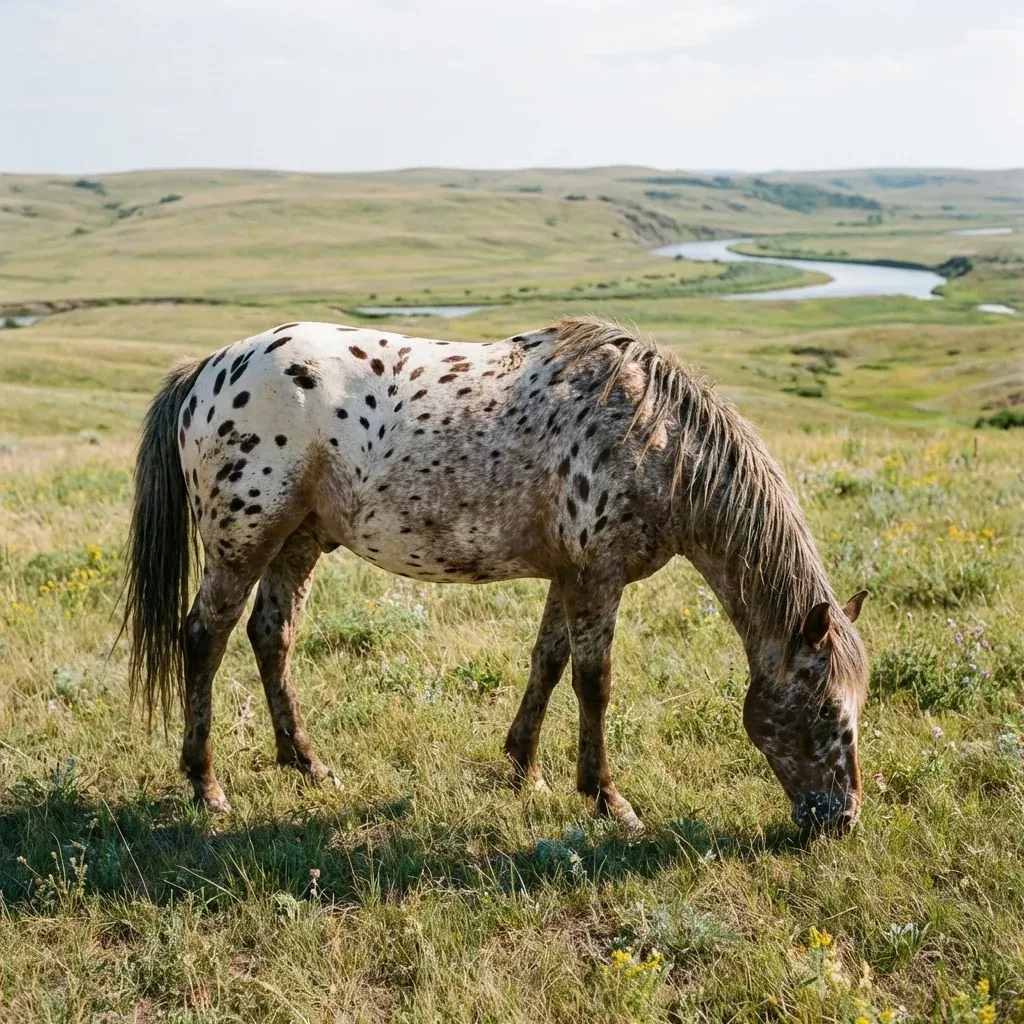
An athletic and efficient horse.
- Usage: Excellent trail, gymkhana, and leisure horses.
- Endurance: Can work hard on less feed than other breeds.
Health and Care
Famous for their iron constitution.
- Hooves: Often do not need shoes if the terrain is not extreme.
- Metabolism: They are “easy keepers” (gain weight easily), watch out for laminitis on rich pastures.
Needs and Routines
- Herd Life: Possess strong social instincts.
- Shelter: Withstand extreme climates, but shelter should always be available.
Advertisement