Pug
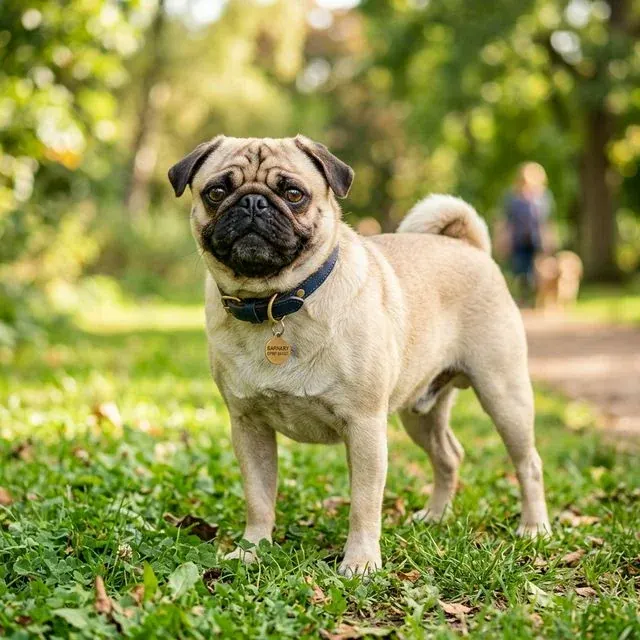
The Pug is a charming and affectionate companion dog. Known for its wrinkled face, curly tail, and playful personality, it is a favorite for apartment living.
Start from the resources hub and jump back to the Dog Breeds index.
Advertisement
Overview
The Pug is an ancient and beloved breed, recognizable instantly by its flat face, deep wrinkles, and curly tail. Highly adaptable and incredibly loving, they thrive as indoor companions and are suitable for families, singles, and seniors alike.
Origin & History
Originating in China dating back to the Han dynasty (206 B.C. to A.D. 200), Pugs were highly valued by Chinese emperors and lived inside luxurious accommodations. They were later brought to Europe by Dutch traders in the 16th century, where they quickly became favorites among European royalty.
Temperament & Personality
They embody the phrase multum in parvo (a lot in a little).
- Charming & Playful: They love to show off and be the center of attention. They have a comedic personality that keeps their owners entertained.
- Affectionate: Pugs are “velcro dogs” that shadow their owners everywhere. They crave human companionship and do not do well if left alone for extended periods.
- Adaptable: They are equally happy living in the country or a small apartment, as long as they are with their family.
Physical Characteristics
A small, square, thickset dog.
- Coat: Fine, smooth, soft, short, and glossy. Common colors are fawn or black.
- Face & Wrinkles: Their most distinctive features are their flat, wrinkled faces, large, dark, expressive eyes, and dark “mask”.
- Tail: Curled tightly, ideally in a double curl, over the hip.
Puppy Stage
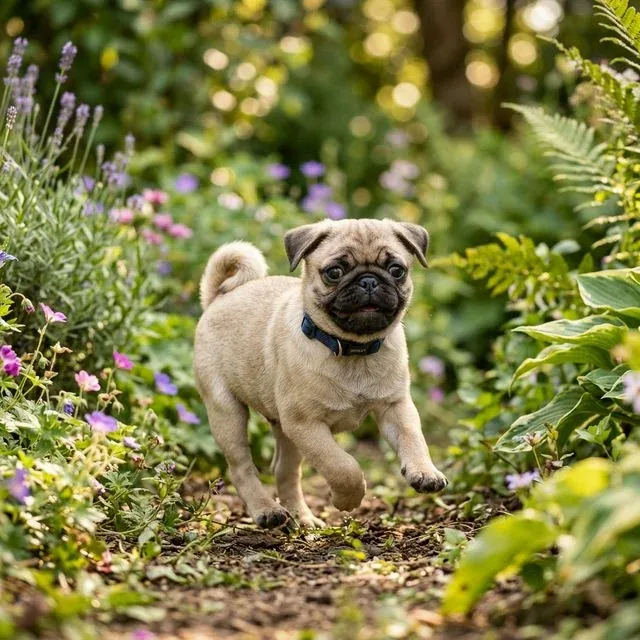
Pug puppies are energetic bundles of joy.
- Wrinkle Care: Start cleaning their wrinkles early to get them used to the routine. Moisture trapped in wrinkles can lead to infections.
- Potty Training: Consistent routine is key. They can be slightly stubborn, but patience and positive reinforcement work best.
Adult Stage
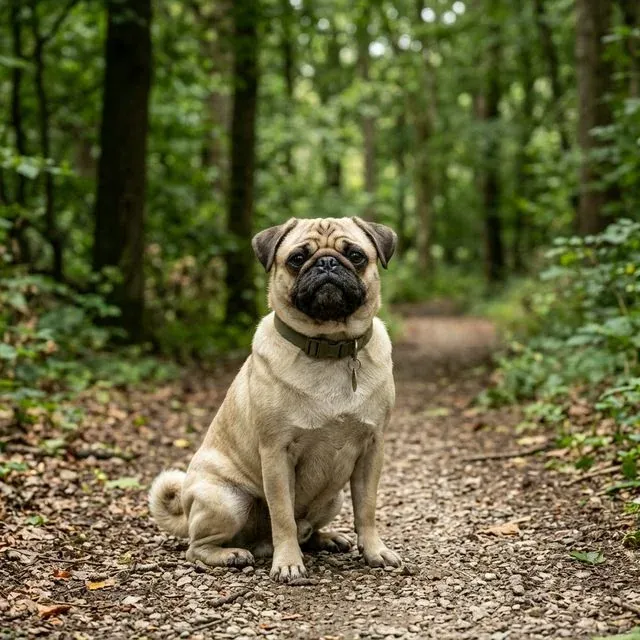
As adults, they divide their time evenly between short bursts of energy and long naps.
- Companionship: They will be your constant shadow. Ensure they get enough mental stimulation through interaction and short walks.
- Snoring: Due to their brachycephalic (flat-faced) nature, be prepared for snoring, snorting, and wheezing.
Health & Care
Pugs require vigilant care due to their physical makeup.
- Heat Sensitivity: They cannot tolerate high heat or humidity well. Keep them in air-conditioned areas during hot days.
- Eyes & Skin: Their prominent eyes are prone to injury. The wrinkles on their face must be cleaned and dried regularly.
- Weight: They are highly prone to obesity, which exacerbates their breathing issues. Monitor their diet strictly.
Needs & Routines
- Exercise: Daily low-impact exercise like a leisurely walk is enough. Avoid overexertion.
- Grooming: They shed more than one might expect for a short-haired dog. Weekly brushing helps manage the loose hair.
- Comfort: They appreciate a comfortable bed and, invariably, a spot on your lap!
Advertisement
Related guides
Fast paths to harness, leash, training, and fitting guides.