Golden Retriever
The Golden Retriever is the quintessential family dog. Friendly, intelligent, and devoted, it is famous for its golden coat and gentle nature.
Start from the resources hub and jump back to the Dog Breeds index.
Advertisement
Overview
The Golden Retriever is consistently one of the most popular breeds in the world, and for good reason. Its cheerful attitude, intelligence, and patience make it the ideal companion for families, as well as an excellent therapy and assistance dog.
Origin & History
Developed in the Scottish Highlands in the late 19th century by Lord Tweedmouth, who sought the perfect retriever for the rainy climate and rugged terrain. He crossed his “Yellow Retriever” with the now-extinct Tweed Water Spaniel, creating the foundation of the breed we know today.
Temperament & Personality
They are famous for their heart of gold.
- Friendliness: They get along with almost everyone: children, strangers, and other pets. They make poor guard dogs because they would likely greet a burglar with a wagging tail.
- Intelligence: Eager to please, they learn quickly.
- Soft Mouth: They have a natural “soft mouth,” capable of carrying fragile objects (even a raw egg) without breaking them.
Physical Characteristics
A sturdy, active dog with a kindly expression.
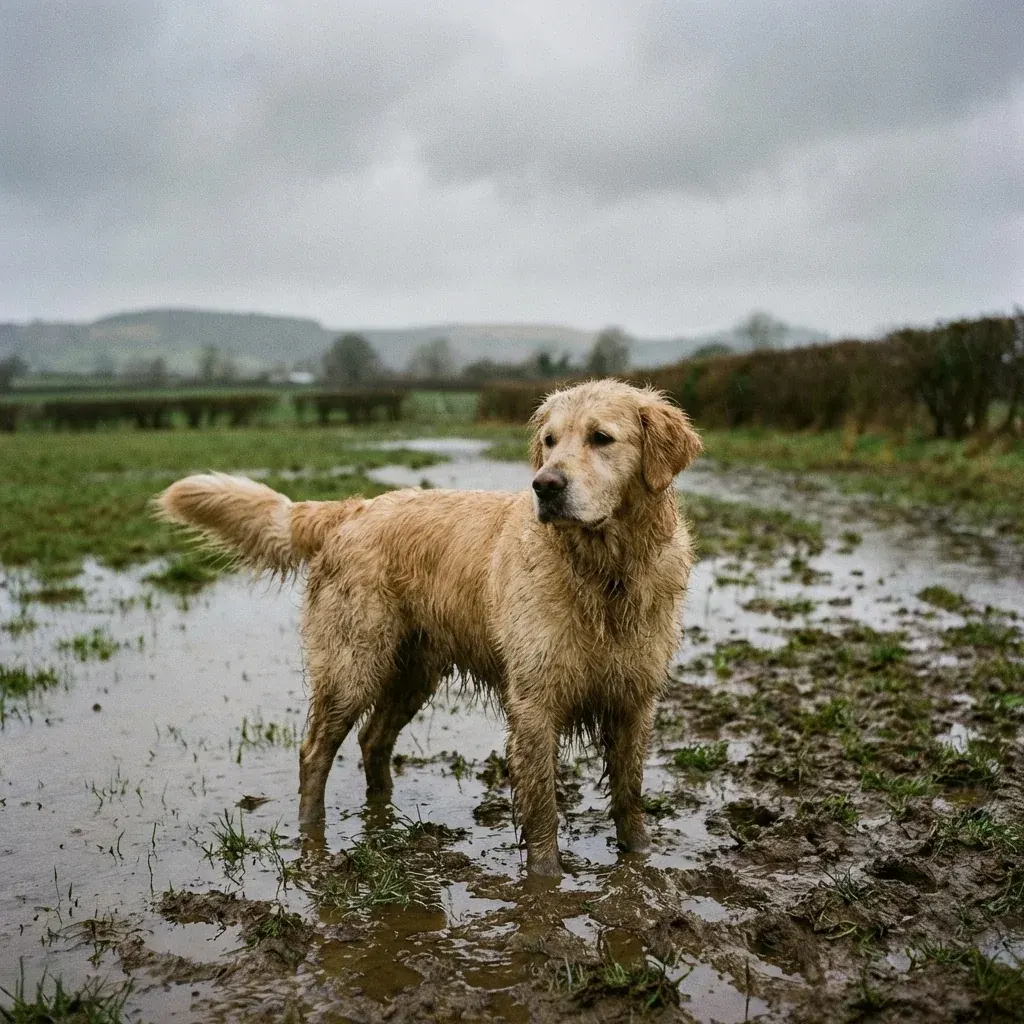
- Coat: Dense, water-repellent, and “gold” in various shades (from cream to dark reddish-gold).
- Tail: Carried purely, level with the back, with a characteristic plume.
- Face: Dark, kindly eyes with medium-sized drop ears.
Puppy Stage
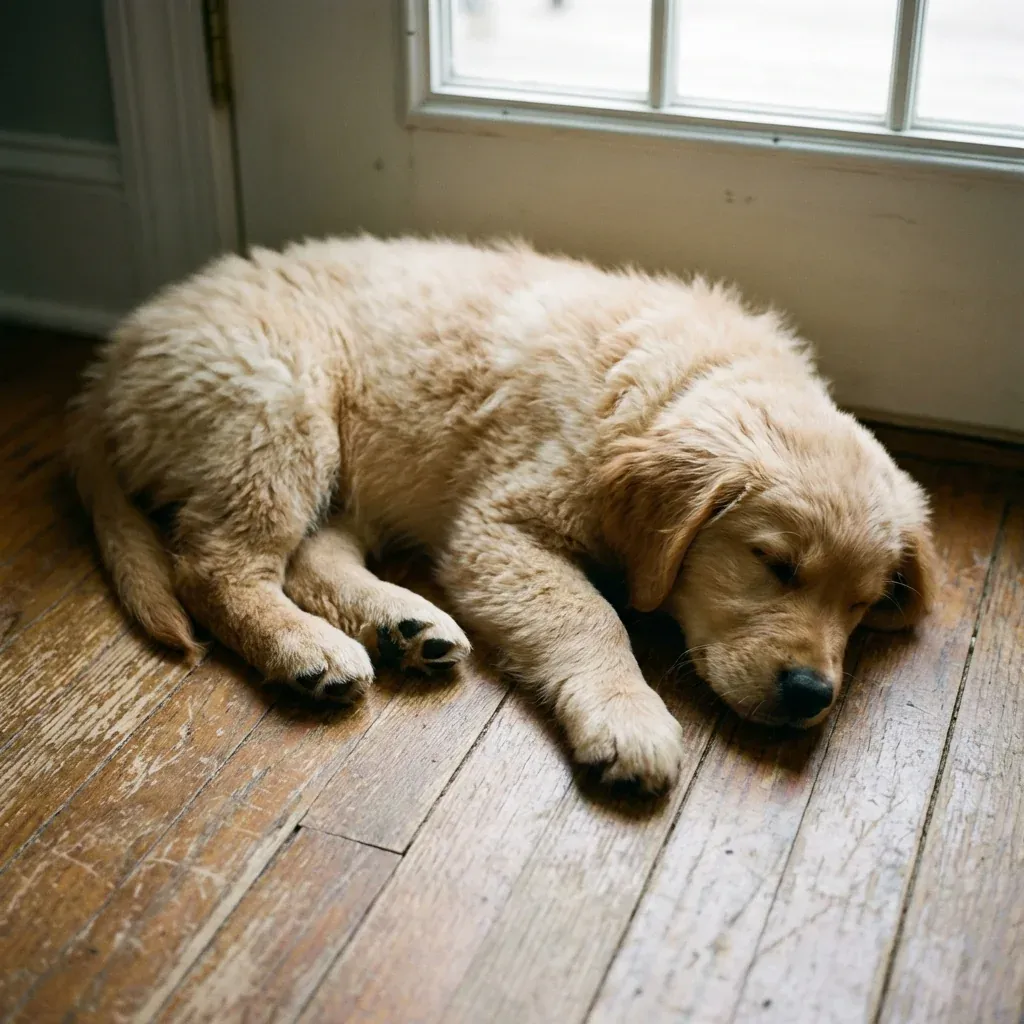
Golden puppies are irresistible but require work.
- Mouthing: As retrievers, they explore the world with their mouths. It is vital to teach bite inhibition and provide appropriate toys.
- Growth: They grow fast. A controlled diet is important to avoid joint problems.
Adult Stage
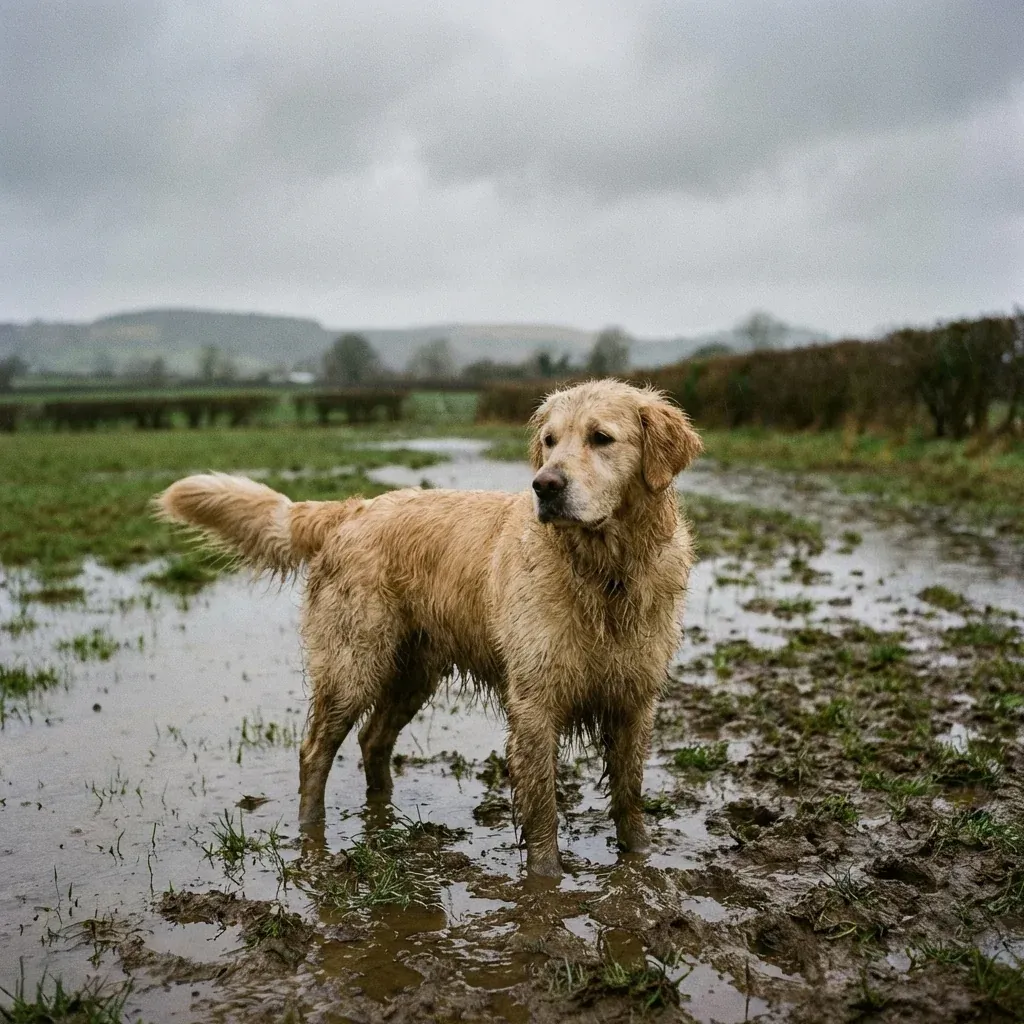
They maintain their puppy spirit well into their 3rd or 4th year.
- Need for Companionship: They are very social dogs that suffer if left alone for long periods. They want to be where their family is.
- Activity: They love swimming and fetching. Daily exercise is non-negotiable.
Health & Care
Unfortunately, the breed is prone to cancer (hemangiosarcoma, lymphoma).
- Vet: Regular check-ups are essential.
- Coat: They shed profusely twice a year. Regular brushing helps control the “golden cloud” at home.
- Weight: They love to eat and gain weight easily.
Needs & Routines
- Exercise: At least one hour of varied activity per day.
- Training: They respond best to positive reinforcement. They are sensitive and do not tolerate harsh treatment well.
- Water: Almost all love water and mud! Be prepared to have towels always on hand.
Advertisement
Related guides
Fast paths to harness, leash, training, and fitting guides.