Dachshund
The Dachshund, or "sausage dog," is a small hunter with a big personality. Brave, curious, and comical, it is an unforgettable companion.
Start from the resources hub and jump back to the Dog Breeds index.
Advertisement
Overview
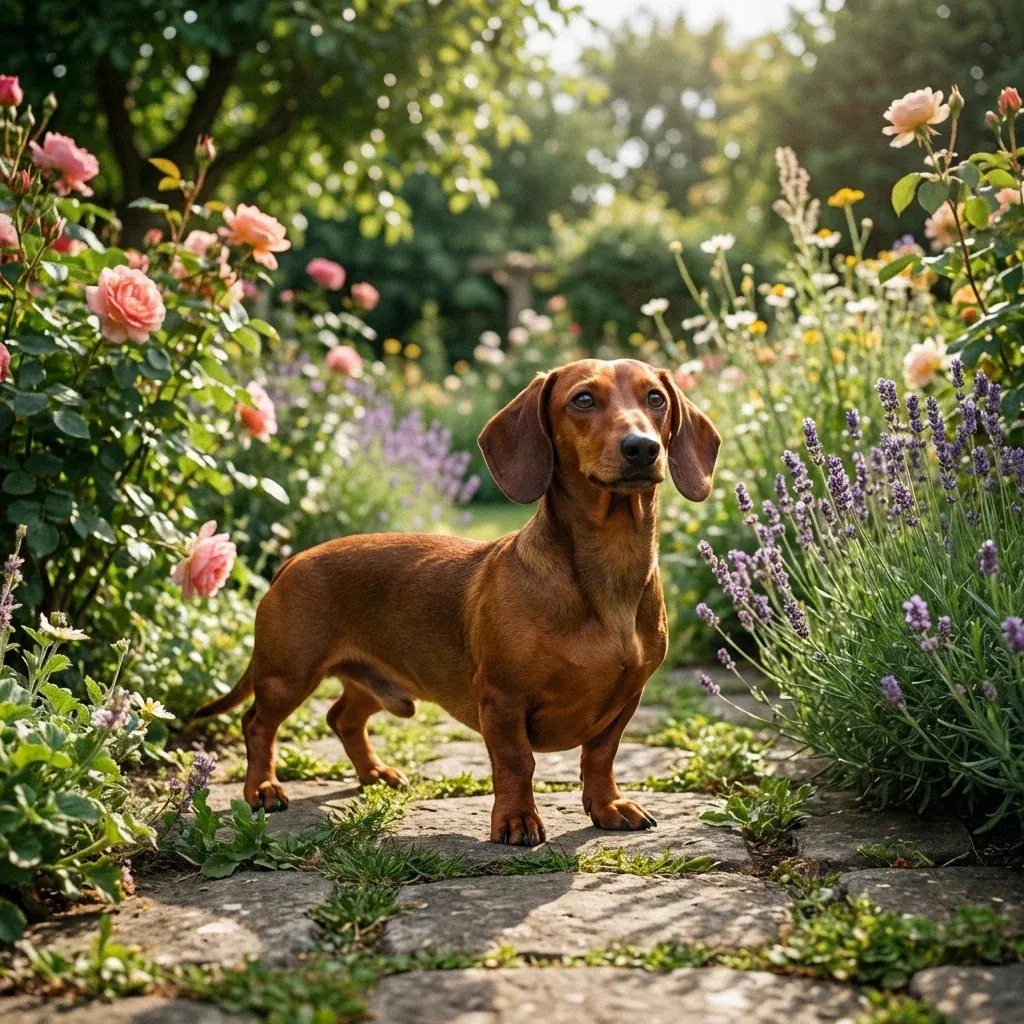
The Dachshund, famously known as the sausage dog, is unmistakable. But it’s not just a cute face and a long body; it is a tenacious hunter bred to enter burrows and face badgers. Today it is one of the most popular companion dogs for its fun and affectionate character.
Origin & History
Created in Germany hundreds of years ago, its elongated shape and short legs are not an accident: they are functional design for digging and entering narrow tunnels. “Dachshund” literally means “badger dog.”
Temperament & Personality
They are big dogs in small bodies.
- Bravery: Sometimes they forget their size and can challenge much larger dogs.
- Stubbornness: They have their own ideas about what to do. Training requires patience and positive reinforcement.
- Affectionate: They love to snuggle under blankets with their owners.
Physical Characteristics
There are three sizes (Standard, Miniature, and Rabbit/Kaninchen) and three coat types (Smooth, Wirehaired, and Longhaired).
- Body: Low, long, and compact. Powerful musculature.
- Head: Elongated with an alert and friendly expression.
- Lifespan: Very long-lived, often exceeding 15 years.
Puppy Stage
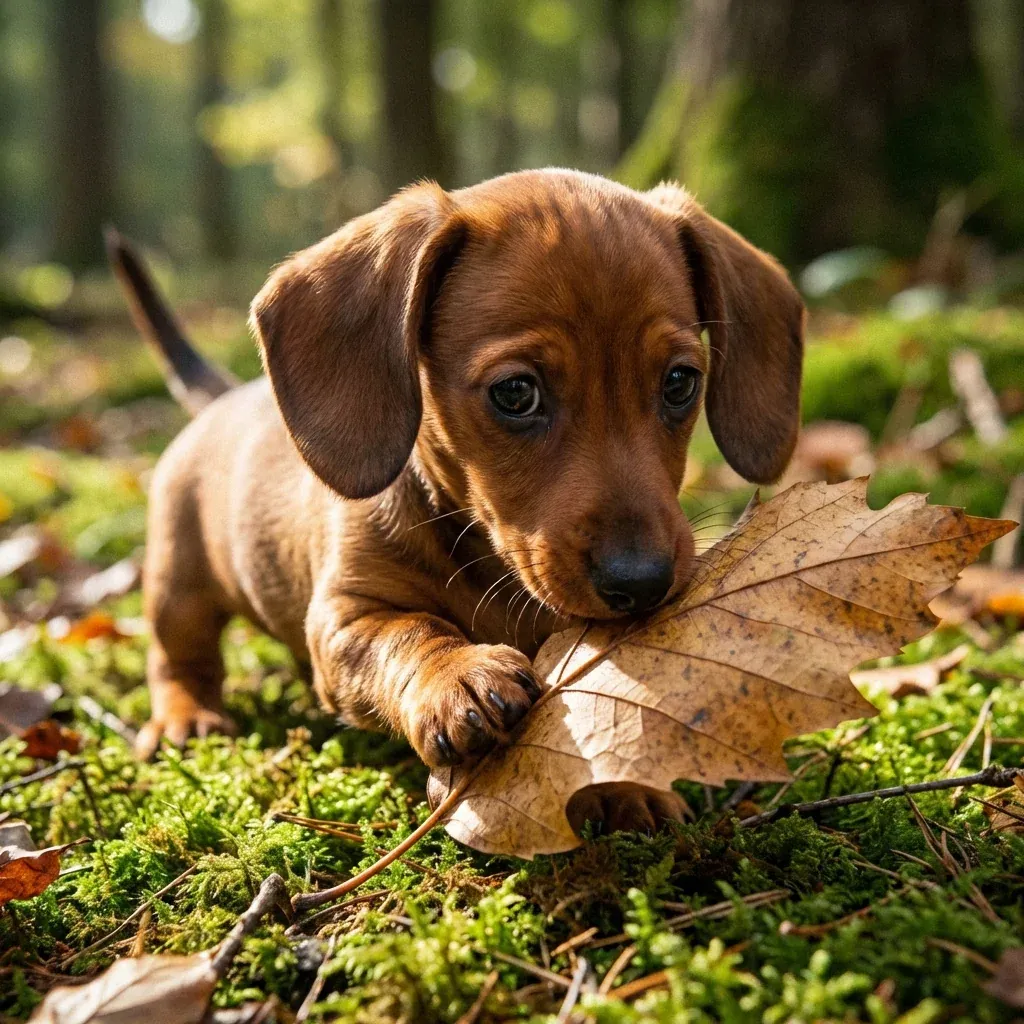
Dachshund puppies are adorable but notoriously difficult to potty train.
- Socialization: Important so they don’t become fearful or excessive barkers.
- Spine: From a young age, they (and the family) must be taught not to jump from sofas or beds, and to be picked up supporting their back well.
Adult Stage
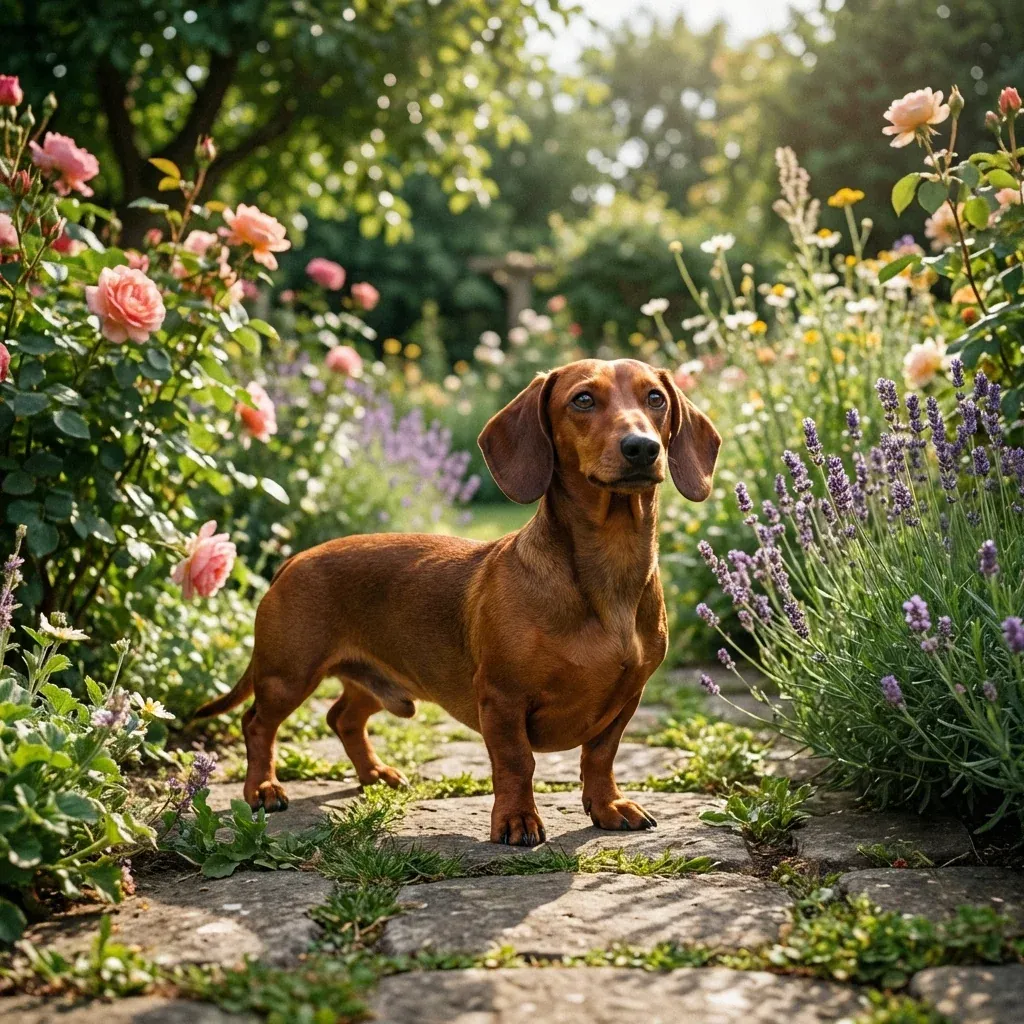
- Exercise: They need to walk to keep their back muscles strong, but avoiding jumps and impacts.
- Scent: They love to track. Scent games tire them mentally more than running.
Health & Care
Their weak point is their back.
- IVDD (Intervertebral Disc Disease): It is critical to keep them at a healthy weight and avoid constant stair climbing or jumping.
- Obesity: They gain weight easily, which worsens back problems.
Needs & Routines
- Feeding: Strict control of portions.
- Grooming: Depends on the coat. Smooth is “wash and wear.” Wirehaired requires hand-stripping, and longhaired requires frequent brushing.
- Ramps: Installing ramps is recommended so they can get on the sofa or bed without jumping.
Advertisement
Related guides
Fast paths to harness, leash, training, and fitting guides.