Chihuahua
The Chihuahua is the smallest dog breed in the world, but with a giant personality. Alert, brave, and loyal, it is the ultimate lap companion.
Start from the resources hub and jump back to the Dog Breeds index.
Advertisement
Overview
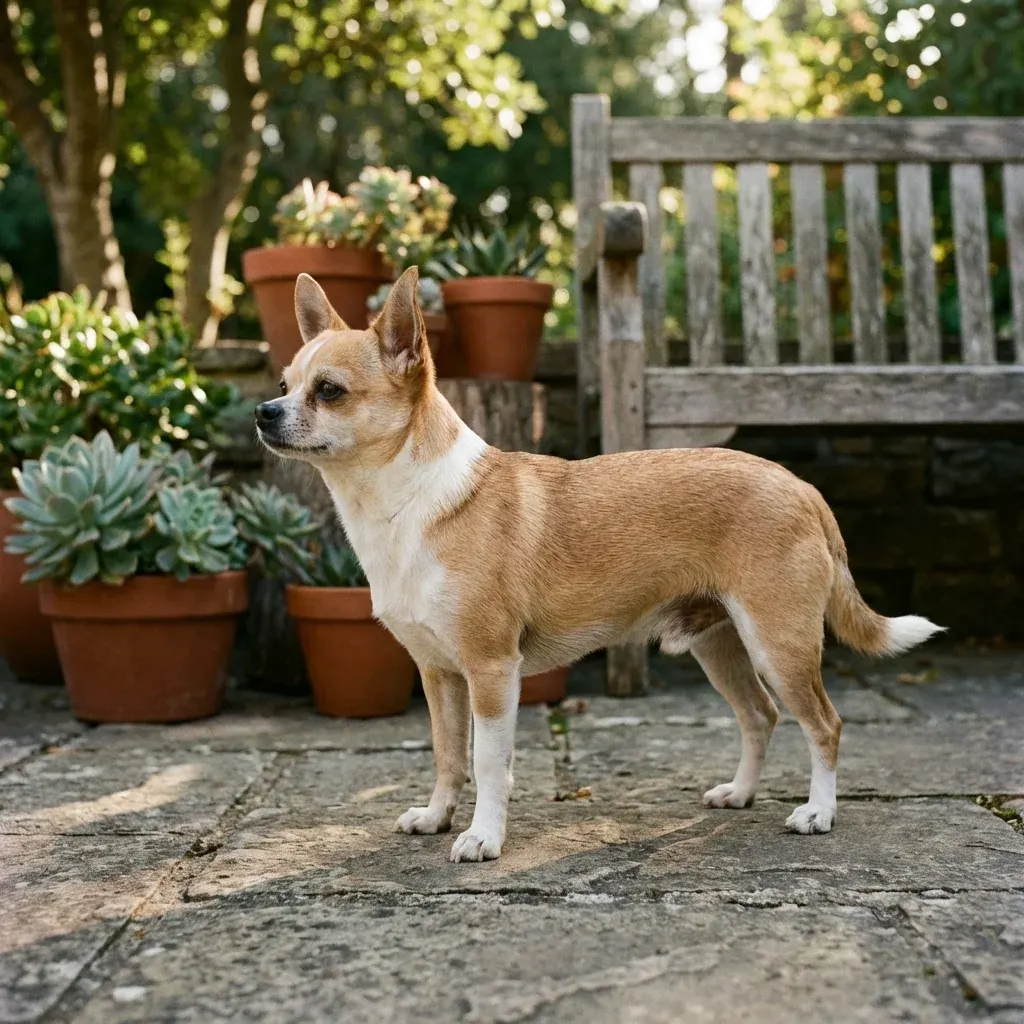
Don’t be fooled by its size: inside every Chihuahua is a fierce guard dog (or at least they think so). They are famous for their big “Napoleon” personality. They are extremely loyal to their favorite owner, sometimes to the point of being possessive, and are perfect for apartment living.
Origin & History
Named after the Mexican state of Chihuahua, where they were discovered in the 1850s. However, their ancestors (the Techichi) likely existed in Mexico much earlier, being companions to the Toltecs and even considered spirit guides in Aztec culture.
Temperament & Personality
A big dog in a small body.
- Brave (too much): Will not hesitate to challenge dogs ten times their size. You have to protect them from their own bravery.
- Affectionate: They love physical contact. If you sit down, you will have a Chihuahua in your lap.
- Cold-sensitive: They hate cold and rain. You’ll see them instinctively seeking blankets or sunbeams.
Physical Characteristics
Tiny but compact.
- Head: Apple-shaped (distinctive breed trait).
- Eyes: Large, round, and dark, very expressive.
- Varieties: Short coat (smooth and shiny) or long coat (soft and wavy). Any color and pattern is admitted.
Puppy Stage
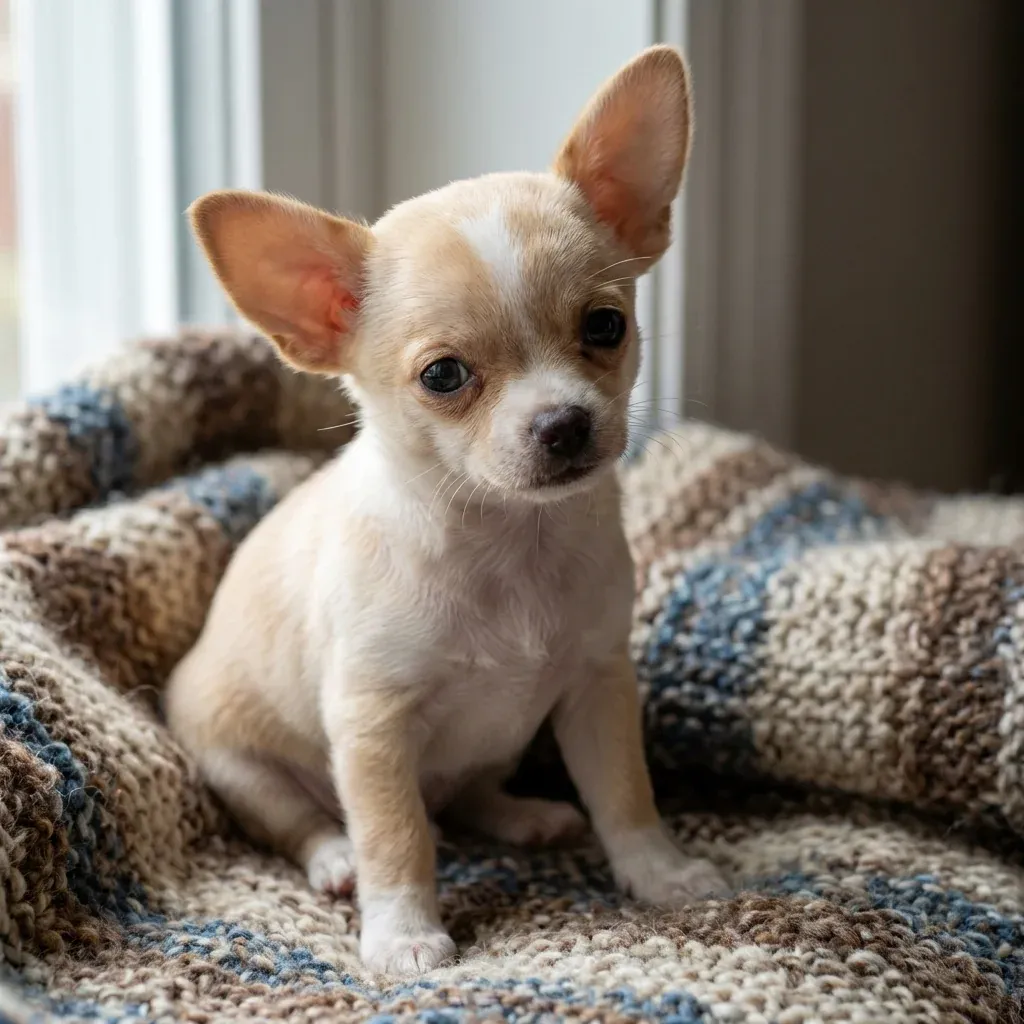
They are incredibly fragile as puppies.
- Molera: Many are born with a soft spot on the skull (like human babies) that may or may not close.
- Hypoglycemia: Need to eat very frequently to avoid dangerous blood sugar drops.
Adult Stage
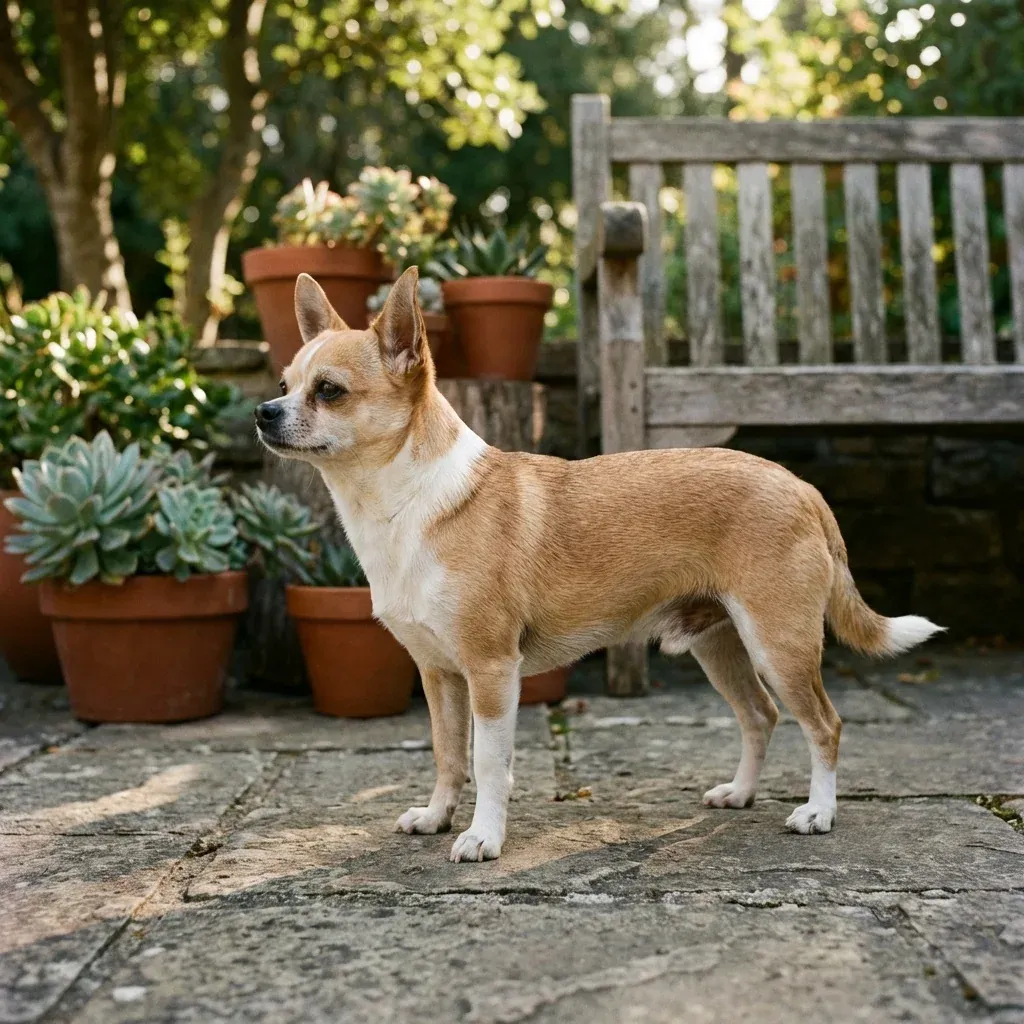
- Exercise: Tires out playing at home, but enjoys short walks.
- Longevity: One of the longest-living breeds, frequently living past 16 years.
Health & Care
- Dental: Prone to serious dental issues because their mouths are too small for their teeth. Brushing is mandatory.
- Patellar Luxation: Common in small breeds.
- Trachea: Use a harness instead of a collar to protect their delicate throat.
Needs & Routines
- Socialization: If not socialized, they can become fearful “ankle biters.” Treat them like a dog, not a toy.
- Companionship: Hate being alone. Ideal for people who spend a lot of time at home.
Advertisement
Related guides
Fast paths to harness, leash, training, and fitting guides.