Boxer
The Boxer is an athletic, loyal, and playful dog. Known for its patience with children and protective nature, it is an exceptional family guardian.
Start from the resources hub and jump back to the Dog Breeds index.
Advertisement
Overview
The Boxer is the “eternal puppy” of the dog world. They mature late (around 3 years old), meaning you’ll have a large dog with the energy and silliness of a puppy for a long time. They are devoted to their family, clowns at home but brave guardians if the situation requires it.
Origin & History
Developed in Germany in the late 19th century from the now-extinct Bullenbeisser. Originally used for big game hunting (bear, boar) and later as working dogs in police and military. Their name might derive from their tendency to use their front paws (“box”) when playing.
Temperament & Personality
A unique mix of silliness and seriousness.
- Clown: They love making their family laugh. Known for the “kidney bean dance” (bending into a U-shape when happy).
- Protective: Very attached to “their” people. Wary of strangers at first, but exuberant with known friends.
- Children: Famous for their infinite patience with children, though their energy can be a lot for toddlers.
Physical Characteristics
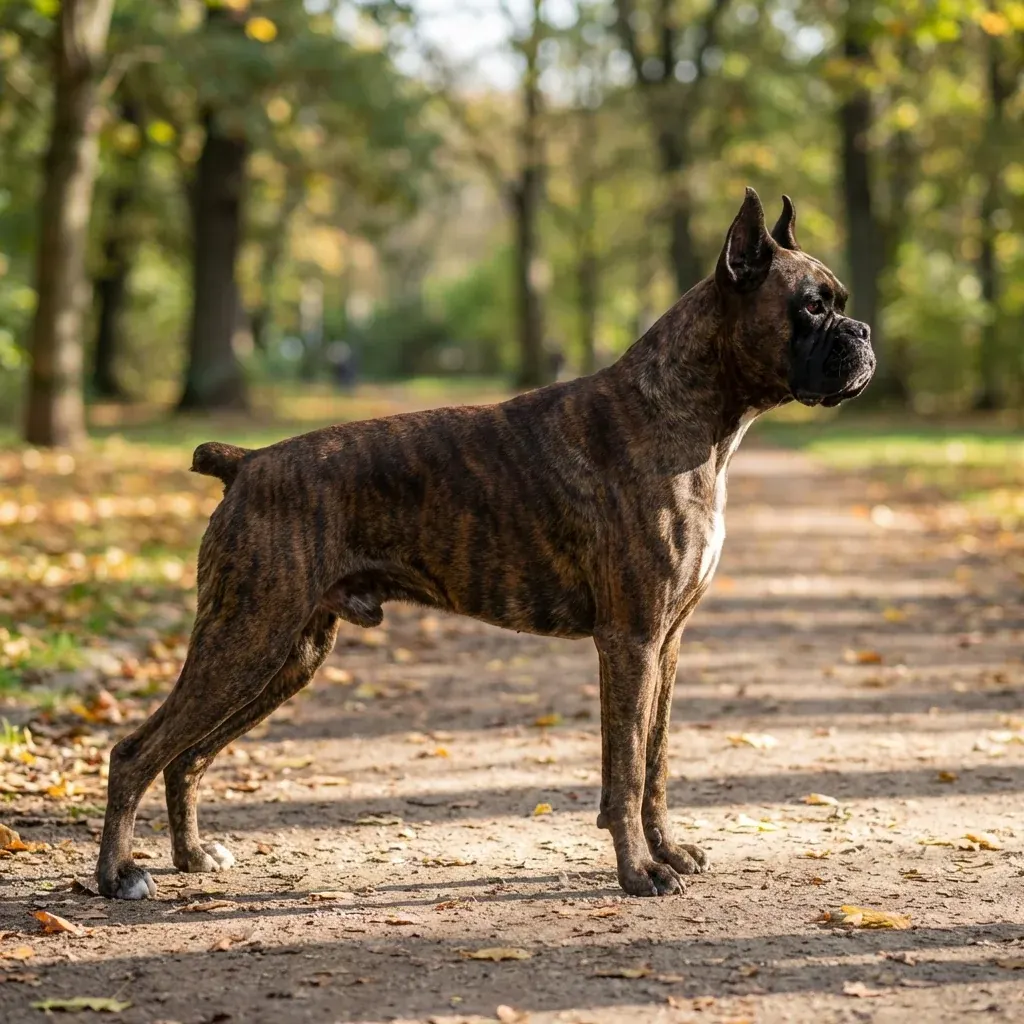
Muscular, square, and powerful.
- Head: Brachycephalic (short snout). The lower jaw protrudes slightly (undershot).
- Body: Athletic and wiry.
- Coat: Short, shiny, and tight to the body. Fawn or brindle colors, often with white markings.
Puppy Stage
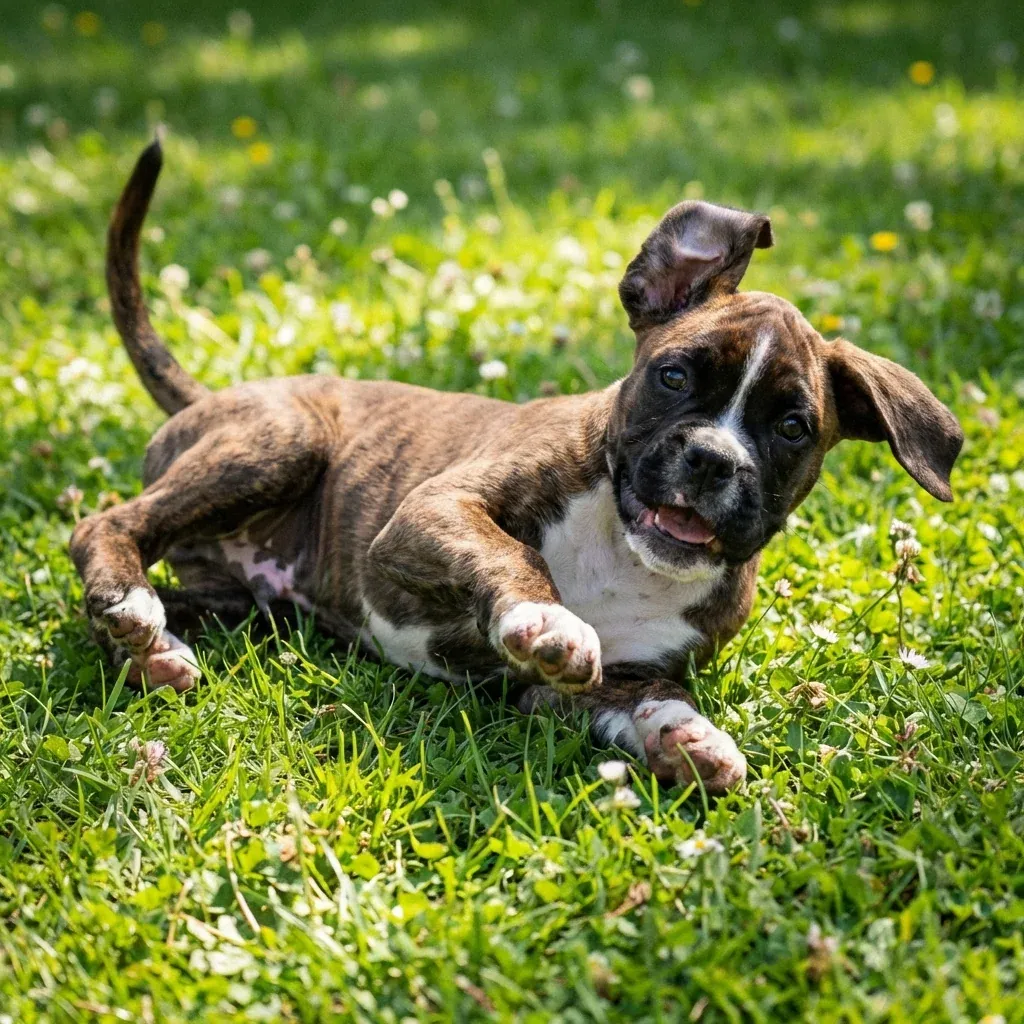
A Boxer puppy is a whirlwind of energy and paws.
- Socialization: Vital to expose them to all kinds of people and dogs to balance their protective instinct.
- Training: Needs firmness but love. They are sensitive to harsh correction.
Adult Stage
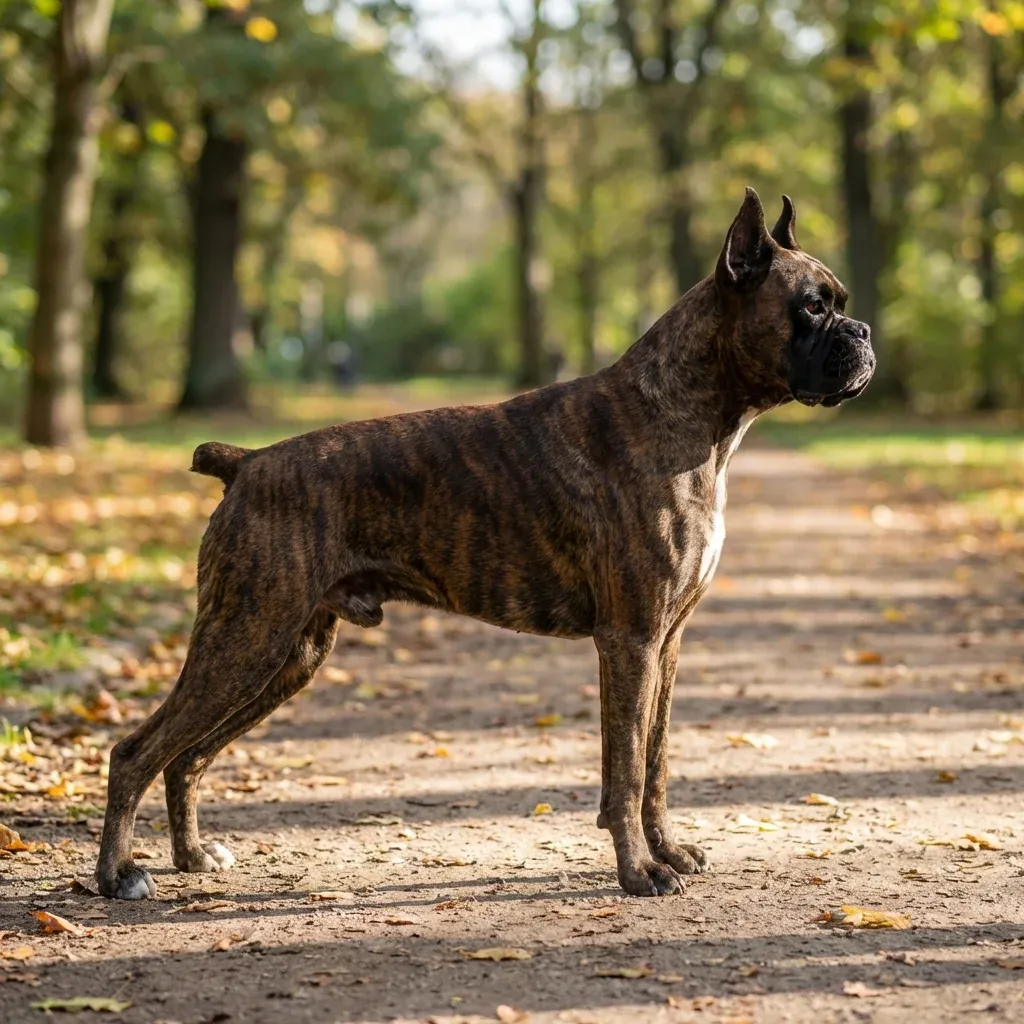
- Exercise: Need to release a lot of energy. Running, fetch, and long walks are mandatory.
- Climate: Due to their short snout and coat, they don’t tolerate extreme heat or cold well.
Health & Care
- Heart: Prone to aortic stenosis and cardiomyopathy.
- Cancer: Unfortunately, the breed has a high incidence of tumors. Check any lumps immediately.
- Bloat: As a deep-chested dog, they are at risk of gastric torsion. Avoid exercise right after eating.
Needs & Routines
- Companionship: Not suitable for living in the backyard. They need to be INSIDE the house, preferably on top of you (they are unaware of their size).
- Play: They never lose their desire to play, even in old age.
Advertisement
Related guides
Fast paths to harness, leash, training, and fitting guides.