Basset Hound
The Basset Hound is unmistakable with its long ears and mournful eyes. It is a tenacious scent hound on the trail but relaxed and affectionate at home.
Start from the resources hub and jump back to the Dog Breeds index.
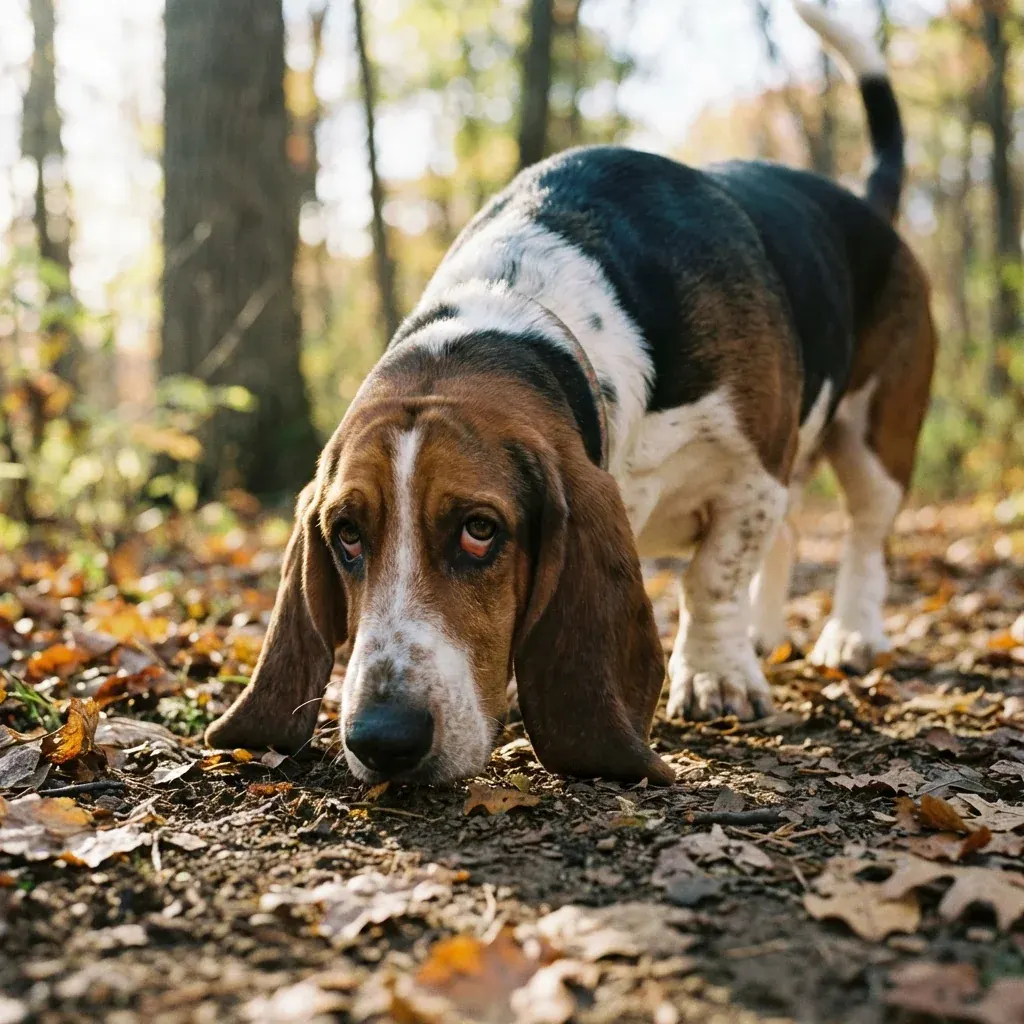
Advertisement
Overview
The Basset Hound is famous for its appearance and incredible sense of smell, second only to the Bloodhound. Although they seem lazy at home, they are tireless when following a scent. They are excellent family companions due to their tolerant nature.
Origin & History
Developed in France for hunting on foot (not horseback), allowing hunters to keep up. Its name derives from the French word “bas,” meaning low.
Temperament & Personality
- Friendly: Gets along well with everyone, kids, dogs, and other pets.
- Stubborn: Once on a scent, it is hard (or impossible) to get their attention.
- Vocal: They have a distinctive deep, howling bark.
Physical Characteristics
Long body and short legs, with very heavy bones for their size.
- Ears: Extremely long and velvety. They help trap scent towards the nose.
- Skin: Loose and elastic, forming wrinkles.
Puppy Stage
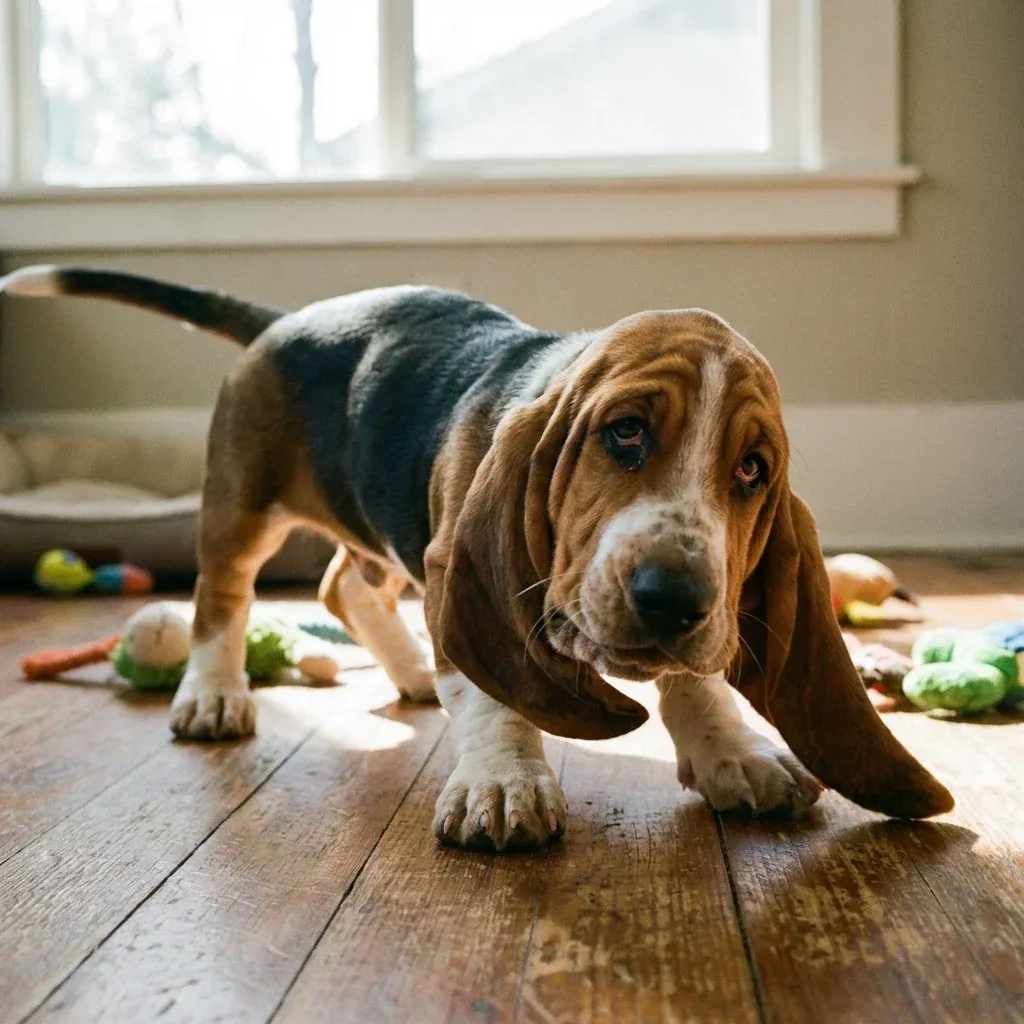
They are adorable and clumsy, with ears they often trip over.
- Care: Avoid jumping and stairs while growing to protect joints and back.
- Training: Patience is key. Potty training can be slow.
Adult Stage
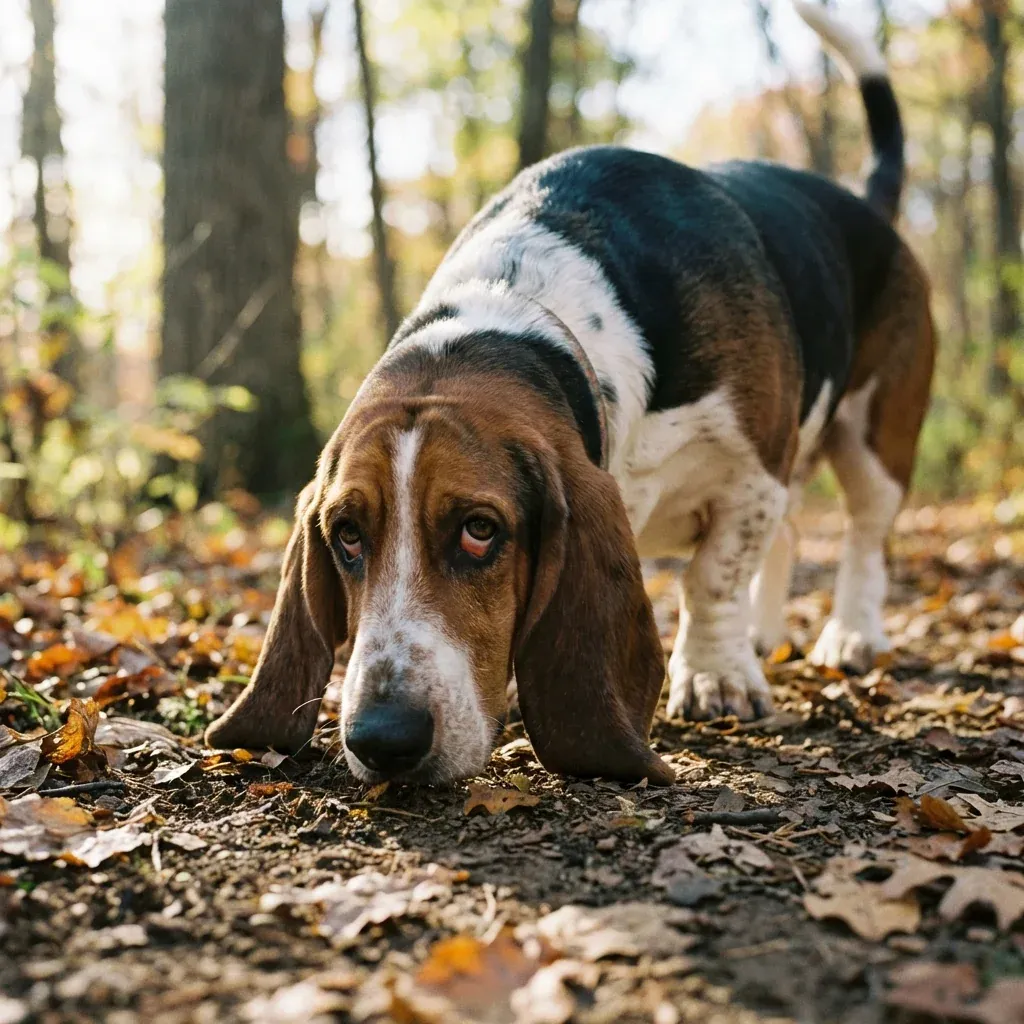
- Exercise: Need daily walks to avoid obesity, but always on a leash (if they smell something, goodbye).
- Weight: Very prone to obesity, which is fatal for their long back.
Health & Care
- Ears: Long ears are prone to infections. Weekly cleaning is mandatory.
- Back: Intervertebral disc issues due to morphology.
- Eyes: Can suffer from “cherry eye” or ectropion.
Needs & Routines
- Hygiene: Besides ears, clean wrinkles and drool (yes, they drool a bit).
- Companionship: They don’t like being alone for long; may howl if bored.
Advertisement
Related guides
Fast paths to harness, leash, training, and fitting guides.