Australian Kelpie
The Australian Kelpie is a tireless, intelligent, and agile herding dog. Perfect for active owners looking for a work or sport companion.
Start from the resources hub and jump back to the Dog Breeds index.
Advertisement
Summary
The Australian Kelpie is a legend in the herding world. Known for its ability to work all day under harsh conditions, it is a dog of inexhaustible energy and a sharp mind. It is not a breed for the sedentary; it needs action, challenges, and a clear leader.
Origin and History
Developed in Australia in the late 19th century, it comes from Collies imported from Scotland possibly crossed with dingos (though this is debated, genetic studies suggest some link). They were bred to handle large flocks of sheep in difficult terrain and hot climates.
Temperament and Personality
The Kelpie is a workaholic.
- Superior Intelligence: Learns extremely fast and needs constant mental stimulation.
- High Energy: Needs to run and work. If it doesn’t have a job, it will invent one (and you probably won’t like it).
- Loyalty: Creates a very strong bond with its owner, often being a “one-person dog.”
Physical Characteristics
Athletic, compact, and muscular.
- Height: 17-20 inches.
- Weight: 31-44 lbs.
- Lifespan: 12 to 15 years.
- Coat: Short double coat resistant to rain. Common colors: black, chocolate, red, blue, fawn.
Puppy Stage
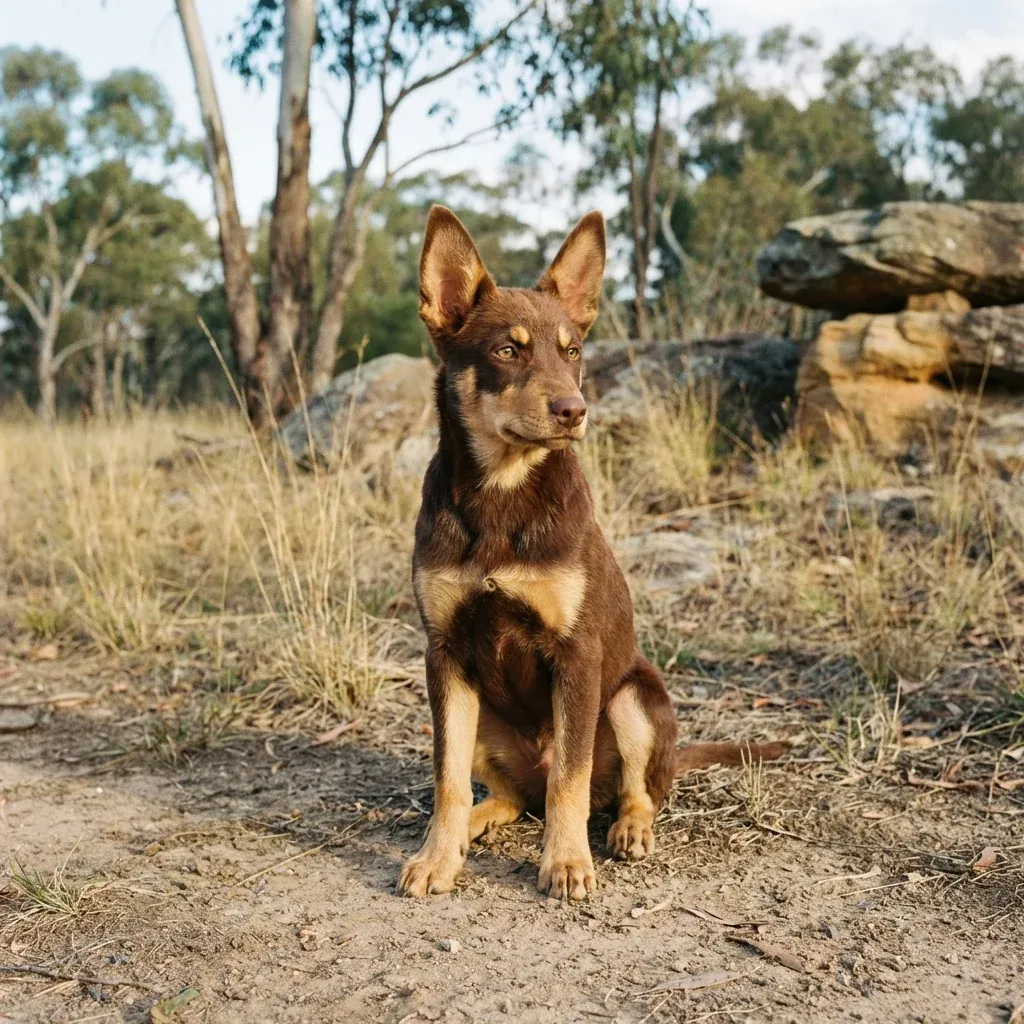
Puppies are whirlwinds of energy.
- Special Needs: Start training from day one. Channel their chasing instinct towards toys and not towards bikes or children.
- Stimulation: Scent games and basic obedience.
Adult Stage
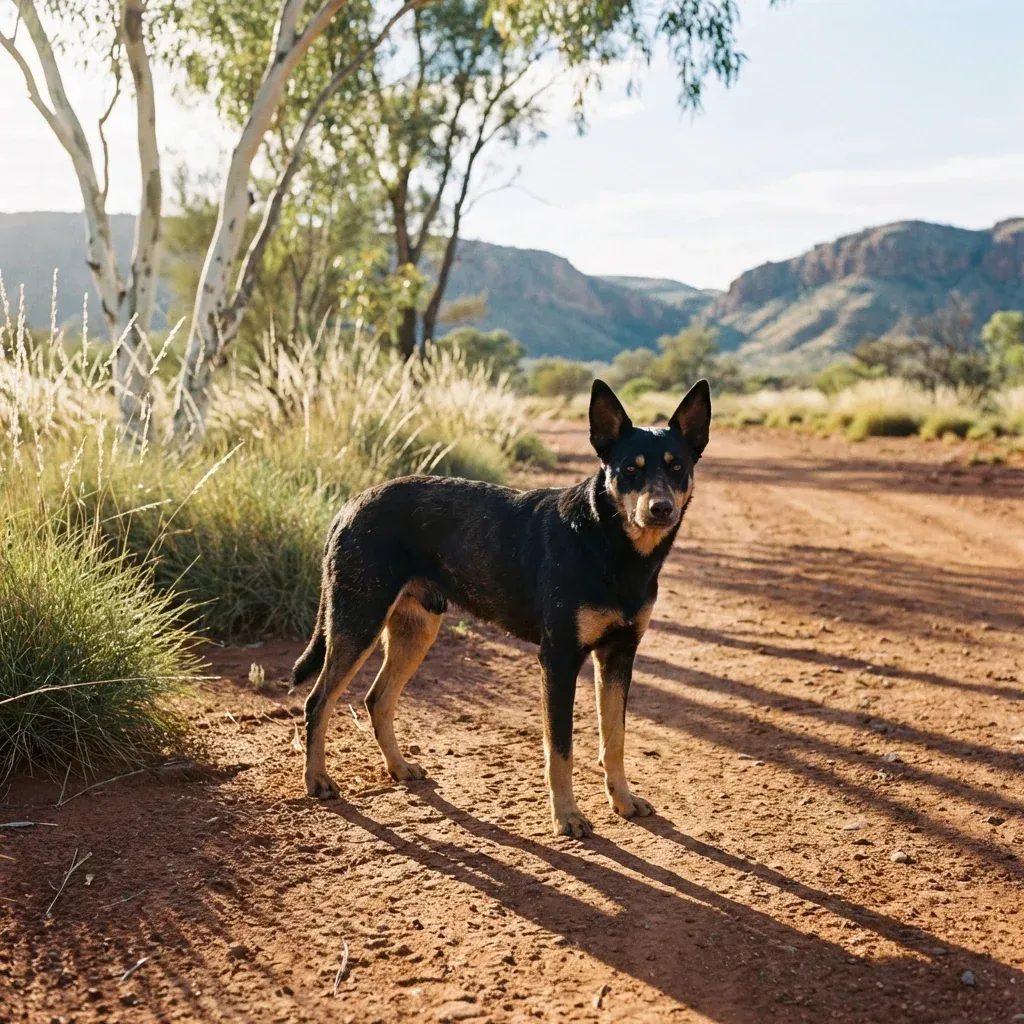
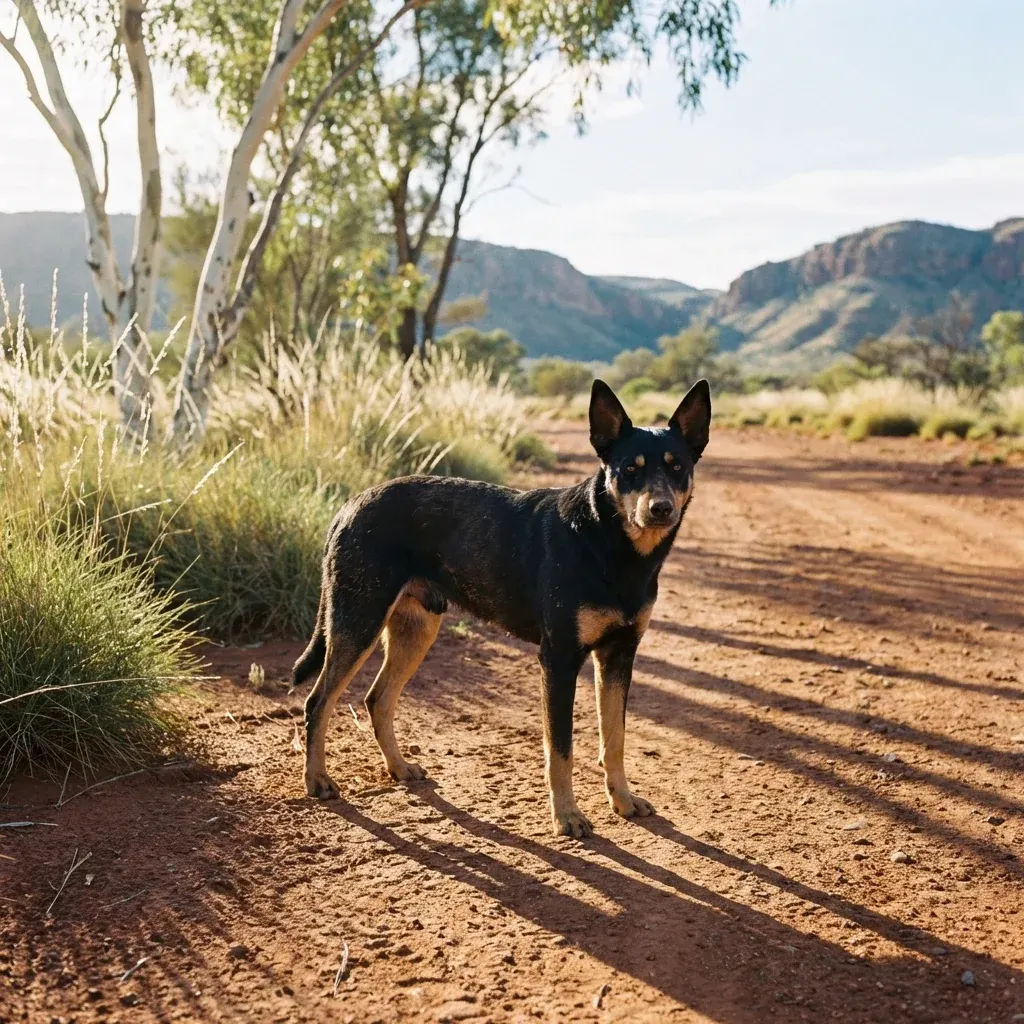
An adult Kelpie is an elite athlete.
- Routines: Ideal for Agility, herding, or Canicross. Needs hours of activity.
- Living: Can be an excellent family dog if its exercise needs are met.
Health and Care
Very rustic and healthy breed.
- Progressive Retinal Atrophy: Hereditary eye problem.
- Collie Eye Anomaly.
- Hip Dysplasia: Less common than in large breeds, but possible.
Needs and Routines
- Feeding: Protein-rich diet to maintain its energy level.
- Grooming: Very low maintenance. Occasional brushing.
- Exercise: The most critical part. Walking is not enough; it needs to run and think.
Advertisement
Related guides
Fast paths to harness, leash, training, and fitting guides.