American Leopard Hound
The American Leopard Hound is an energetic treeing dog known for its extreme endurance. Intelligent, affectionate, and distinctive for its spotted coat.
Start from the resources hub and jump back to the Dog Breeds index.
Advertisement
Summary
The American Leopard Hound is one of the oldest treeing dog breeds in the Americas. They are known for their extreme desire to please, making them easier to train than many other scenthounds. They are versatile hunters and affectionate family companions.
Origin and History
The exact origins are unclear, but they likely descend from dogs brought to the New World by Spanish conquistadors and later crossed with Mexican and early American hounds. They were officially recognized by the UKC in 1998.
Temperament and Personality
- Energetic: High stamina for hunting all day.
- Sociable: Gets along well with children and other dogs.
- Protective: Can be protective of their family but rarely aggressive.
- Intelligent: Very smart and capable of learning complex tasks.
Physical Characteristics
- Coat: Short and dense.
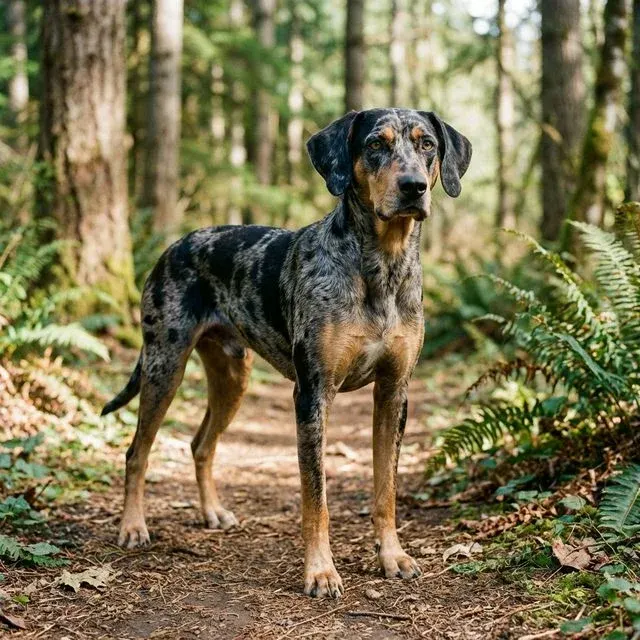
- Color: Distinctive leopard-spotted pattern (merle) in yellow, black, brindle, or red and blue. Also solid colors.
- Feet: “Cat-like” feet that are tough and durable.
- Eyes: Can be yellow, brown, or blue.
Puppy Stage
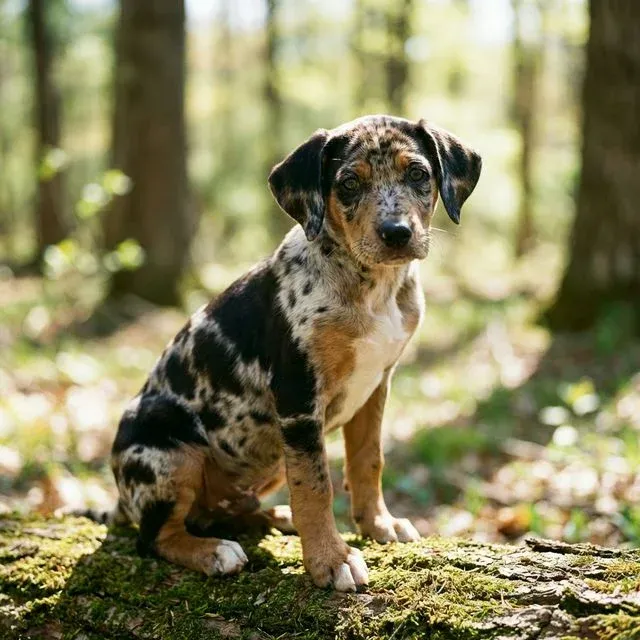
Puppies are active and need early exposure to different sights and sounds. They start trailing scents at a very young age.
Adult Stage
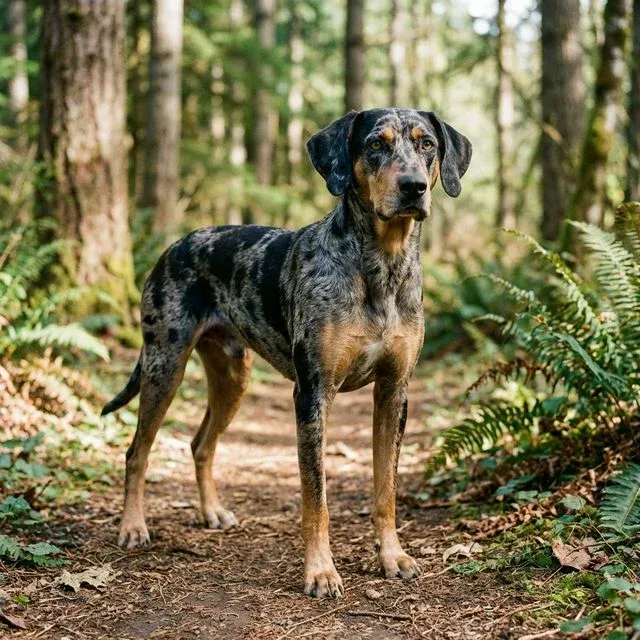
Adults need vigorous daily exercise. They are excellent hiking or running partners. Unlike some hounds, they often check in with their owners while off-leash.
Health and Care
- Issues: Generally very healthy. Some risk of deafness associated with the merle gene.
- Grooming: Occasional brushing is sufficient.
Needs and Routines
- Exercise: High. Needs a job or long runs.
- Training: Positive reinforcement; avoid harsh methods as they can be sensitive.
Advertisement
Related guides
Fast paths to harness, leash, training, and fitting guides.